

Introduction
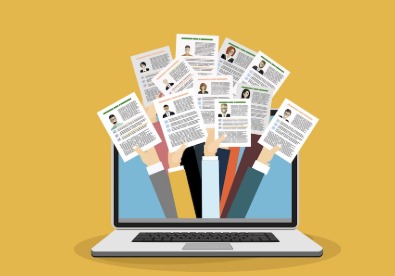
Recruiters don’t read resumes line by line—they quickly scan them to see if you’re the right fit. In fact, most resumes get only 6–8 seconds of attention before a decision is made. That means your resume has just a few seconds to create a strong first impression.
In those moments, recruiters look for clear signals: your job title, your latest experience, your skills, and whether your resume matches what the job needs. If these things aren’t easy to find, your resume gets skipped—even if you’re qualified.
Understanding how recruiters scan resumes helps you design a resume that stands out instantly. In this article, you’ll learn exactly what they look for in those few seconds and how you can make your resume impossible to ignore.
The Rise of ATS Scan (Applicant Tracking Systems)
In today’s time, AI (Artificial Intelligence) and ATS (Applicant Tracking System) play an important role in the hiring process. ATS is a software that scans thousands of resumes and shortlists only those that best match the job description. If it does not have relevant keywords or the correct format, then you might get rejected, even if you are qualified.
Those AI tools help recruiters search for better candidates, score resumes, and even schedule an interview. That’s why it’s now important to create a resume that not only impresses humans, but also impresses software systems as well.
Why Recruiters Scan Instead of Reading?
Hiring managers have to review thousands of resumes, so they don’t have much time, and they don’t want to waste more time on understanding a single resume.
In 2025, the market has become more dynamic. Now it is no longer just about having a degree or years of experience – recruiters now look for candidates who are adaptable, tech savvy, and capable of solving real-world problems. With the rise of remote work and AI tools, recruiter expectations are rising as well.
Recruiters only want to see the resumes that are clear, relevant, and customized according to the job role. Writing about just responsibilities will not work, now you have to show the results of your achievements. Every recruiter wants to see only an impactful and effective resume.
What Recruiters Scan For in Those First 8 Seconds?
Job title alignment / relevance
The first thing a recruiter checks in your resume is your job title. Many candidates send their resume without properly reading the job description, so checking the title becomes very important. If your job title doesn’t match the role they are hiring for, recruiters don’t read the rest of your resume because there is no point in going further.
Sending the same resume for every job is not a good idea. You have to customize according to the job description, so that you do not get rejected in ATS (Applicant Tracking System) and the hiring manager also likes your resume. Make a Resume that matches your skills, experience, and achievements with the job description. This way, it also shows your professionalism and seriousness.
Key skills and keywords matching the job description
Most companies now use Applicant Tracking Systems (ATS) to filter resumes before a human ever sees them. These systems scan resumes for relevant keywords. If your resume doesn’t include the right terms from the job description, it may get rejected automatically. So, it’s important to include industry-specific and job-specific keywords to pass the ATS screening.
You have to first read the job description carefully and notice all the keywords (like: “project management”, “Excel”, “content writing”) in the job description. And try to include all the keywords naturally, so that it can be easily shortlisted by ATS.
Clean formatting and readability
If you want your resume to easily pass the selection process, then you have to keep some important points in mind. A resume should be so clear that recruiter can easily read, scan, and understand.
A cluttered or outdated resume design can turn recruiters away. In 2025, a clean, professional layout is essential. Use simple fonts (like Calibri, Arial, or Roboto), clear spacing, and avoid heavy colors or graphics — especially if you’re applying through an ATS. Make sure your resume looks good on both desktop and mobile.
The F-Pattern: How Recruiters Visually Scan
What is the F-shaped scanning pattern?
Recruiters usually scan a resume in an F-shaped pattern, which means:
- First, they look across the top line (your name, title, and summary).
- Then, their eyes move down the left side of the page, checking section headings like Experience, Skills, and Education.
- Finally, they read a few lines across again—usually your latest job role and key achievements.
This creates an “F” shape and shows that recruiters don’t read every line. They scan for quick signals that you fit the job.
How a properly formatted resume guides the eye?
A clean resume layout naturally helps the recruiter follow this scanning pattern.
Good formatting includes:
- Clear section headings
- Consistent spacing
- Short bullet points
- Strong job titles at the top of each role
When information is placed where the eye naturally moves, the recruiter finds relevant details faster and is more likely to shortlist you.
Why bold keywords and clear headings matter?
Bold keywords highlight important information such as:
- Job titles
- Achievements
- Skills that match the job description
Clear headings help recruiters quickly identify sections without confusion.
This makes your resume easier to scan, helps the recruiter finish the 8-second check smoothly, and increases your chance of moving forward.
The Role of ATS to Scan Before a Human Even Looks
What is an ATS?
ATS plays an important role in the hiring process. It is a software that companies use to manage, filter, and shortlist job applications. It scans thousands of resumes and shortlists only those that match the job description. If your resume does not have relevant keywords or the correct format, it will be rejected, even if you are qualified for that role.
How does it work in 2025?
Whenever you apply for a job, the ATS software scans your resume before a human recruiter. This system checks some important things like-
- Keyword match – Does it have all the relevant keywords that are present in the job description, like the skills, tools, and job title?
- Format check- Resume layout should be readable. Complex design, image, and tables confused ATS.
- Relevance- Are your education and skills relevant to the job role
- Ranking- ATS gives a score to each resume and shortlists the top candidate. If you do not optimize your resume properly, then it will be rejected by ATS. It should be attractive plus ATS-friendly.
If you want your resume to easily pass the ATS filter, then you have to keep some important points in mind. An ATS-friendly resume means it should be so clear that software can easily read, scan, and understand.
Elements of a Resume That Pass the 8-Second Test
1-page for beginners
Hiring managers have to review thousands of resumes, so they don’t have much time, and they don’t want to waste more time on understanding a single resume. It should be one page so that any hiring manager can read it in less time, and your resume should be to the point. So make a one-page resume which will be clear to the point, and impactful.
Strong, relevant headline
Never send the same resume everywhere. Tailor it for each job application by updating the summary, keywords, and skills to match the role.
Use conventional headings such as:
Work Experience, Education, Skills, Certifications.
Avoid creative or unusual section titles that ATS might not recognize.
Quantified achievements
Giving an overview of your work will not work now; you have to be specific about what you have done before. For example, if you have increased sales, then you have to be specific that you increased 30% of sales in 6 months.
Adding numbers, adds value to a it and it also increases the impression on the hiring manager.
Easy-to-skim bullet points
If you are using long paragraphs in your resume, then you should stop doing that because it makes your resume look outdated. Long paragraphs are boring to read, and HR professionals often skip them because they receive thousands of applications. Always try to use bullet points in your résumé for better readability and performance.
Common Mistakes That Make Recruiters Skip a Resume
Not Following Application Instructions Reduce Interview Chances
If you are not following application instructions carefully of job description then HR can skip your applications.
- Ignoring formatting or naming guidelines
- Missing required documents
- Failing to answer application questions
Writing Long Paragraphs Instead of Clear Bullet Points
If you are using long paragraphs in your resume, then you should stop doing that because it makes your resume look outdated. Long paragraphs are boring to read, and HR professionals often skip them because they receive thousands of applications. Always try to use bullet points in your résumé for better readability and performance.
Listing Duties Instead of Achievements
If you only write responsibilities in your resume and not achievements, then you are using an outdated resume. Just listing responsibilities cannot impress any recruiter.
Giving an overview of your work will not work now; you have to be specific about what you have done before. For example, if you have increased sales, then you have to be specific that you increased 30% of sales in 6 months.
Including Irrelevant Information Reduce Interview Chances
There is no need to provide unnecessary information in the resume, such as marital status, religion, or full address. Try to provide only the necessary personal details.
Using Old or Weak Resume Templates
If you use an old format to make your resume, then your resume has become outdated. For example, if it is overloaded with text, has no white space, and does not have a modern layout or clean design, then yes — your resume is outdated.
A cluttered or outdated resume design can turn recruiters away. In 2025, a clean, professional layout is essential. Use simple fonts (like Calibri, Arial, or Roboto), clear spacing, and avoid heavy colors or graphics — especially if you’re applying through an ATS. Make sure your resume looks good on both desktop and mobile.
How Job Seekers Can Optimize Their Resume?
Tailor each resume to the job description
Sending the same resume for every job is not a good idea. You have to customize according to the job description, so that you do not get rejected in ATS (Applicant Tracking System) and the hiring manager also likes your resume. Make a Resume that matches your skills, experience, and achievements with the job description. This way, it also shows your professionalism and seriousness.
Use a simple, professional layout
A cluttered or outdated resume design can turn recruiters away. In 2025, a clean, professional layout is essential. Use simple fonts (like Calibri, Arial, or Roboto), clear spacing, and avoid heavy colors or graphics — especially if you’re applying through an ATS. Make sure your resume looks good on both desktop and mobile.
Audit Your Skills Section
You may have many skills, but not all of them matter to the company.
Prioritize skills that match the job requirements.
Create two sections:
A. Core Relevant Skills
Skills required for the job.
B. Additional Skills
Skills that are good to have but not essential.
This structure helps recruiters see your job-match skills immediately without searching.
Use metrics (numbers) to show impact
If you only write responsibilities in your resume and not achievements, then you are using an outdated resume. Just listing responsibilities cannot impress any recruiter.
Giving an overview of your work will not work now; you have to be specific about what you have done before. For example, if you have increased sales, then you have to be specific that you increased 30% of sales in 6 months.
Adding numbers, adds value to a it and it also increases the impression on the hiring manager.
Keep it concise—1 page for most candidates
Hiring managers have to review thousands of resumes, so they don’t have much time, and they don’t want to waste more time on understanding a single resume. It should be one page so that any hiring manager can read it in less time, and your resume should be to the point. So make a one-page resume which will be clear to the point, and impactful.
Match keywords without stuffing
Most companies now use Applicant Tracking Systems (ATS) to filter resumes before a human ever sees them. These systems scan resumes for relevant keywords. If your resume doesn’t include the right terms from the job description, it may get rejected automatically. So, it’s important to include industry-specific and job-specific keywords to pass the ATS screening.
You have to first read the job description carefully and notice all the keywords (like: “project management”, “Excel”, “content writing”) in the job description. And try to include all the keywords naturally, so that it can be easily shortlisted by ATS.
If you want know essential resume mistakes that instantly reduce interview chances, then check our guide.
Conclusion
Recruiters don’t read every resume—they scan it quickly to see if you match the role. This is why your job title, headline, skills, and recent experience must be clear, relevant, and easy to understand at a glance. A clean layout, strong keywords, and achievement-based bullet points help your resume stand out in those first 8 seconds.
When your resume is simple, organized, and focused on what the employer needs, you instantly increase your chances of getting shortlisted. Make your resume easy to scan, and it will open the door to more interview calls.
You can read more informative blogs here.






Comments
Be the first to leave a comment.