

Introduction
In the recruitment process, the first impression is the first step in building trust. When a candidate enters the interview room or starts a video interview, the recruiter observes the candidate’s confidence, body language, eye contact, tone of voice, and overall attitude.
If a candidate introduces themselves clearly, attends the interview on time, and communicates in a respectful manner, the recruiter feels that the person is professional and dependable.
What Trust Means?
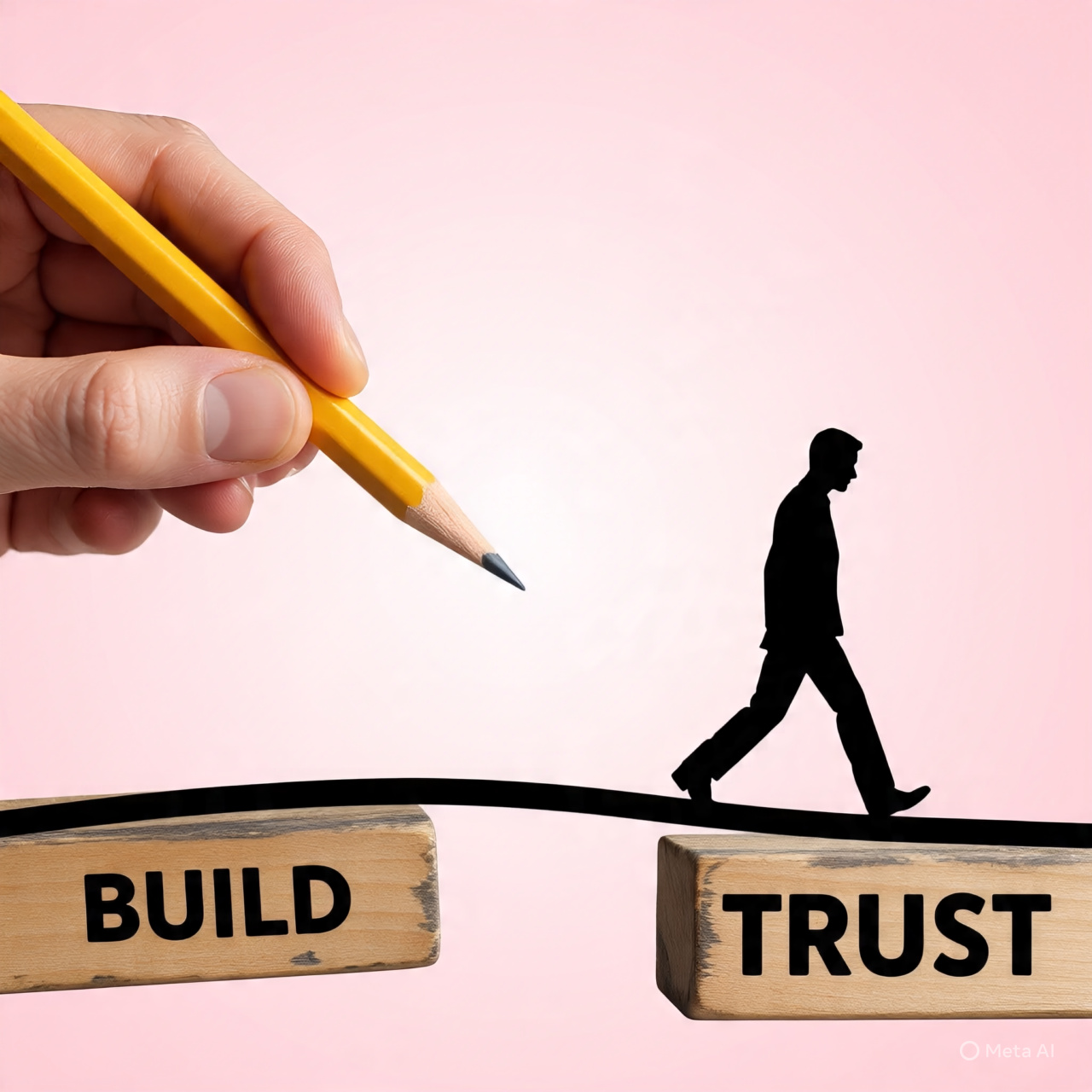
In recruitment, trust means that the recruiter has a professional level of trust in the candidate. This sense of trust develops when the recruiter feels that the candidate is honest, takes responsibility, and completes work on time. If a candidate presents their skills, experience, and expectations clearly, the recruiter can trust them more easily.
An important part of trust is that the candidate shows consistent and predictable behavior. In the context of recruitment, trust means that the candidate will stay ethical, dependable, and beneficial for the team.
How to Build Trust through Actions?
1. Consistency Across Resume, Interview, and Online Presence
Consistency across your resume, LinkedIn profile, and interview responses plays a key role in building trust. When job titles, timelines, skills, and achievements align across all platforms, it reassures recruiters that the information shared is accurate and genuine. Any mismatch can raise doubts, while consistency reflects honesty, attention to detail, and professionalism—qualities employers instantly trust.
2. Transparency and Honesty Build Trust
Be honest, transparent, and responsible in your actions. Employers start trusting you when they see that you are genuine—not trying to hide or exaggerate anything.
- Be Honest About Your Skills:
Do not claim skills you don’t have. If you’re a beginner in something, mention it confidently. Employers appreciate honesty more than perfection. - Avoid Exaggeration:
Don’t inflate your achievements or job responsibilities. Keep everything realistic and true to your experience. - Be Transparent:
If you have employment gaps, career switches, or unfinished courses, mention them openly when needed. Clear explanations build trust. - Take Responsibility:
If you made a mistake in past roles or projects, accept it and share what you learned from it. This shows maturity and self-awareness. - Maintain Professional Ethics:
Never speak negatively about previous employers or colleagues. It signals that you handle situations respectfully and professionally.
When you show honesty, consistency, and responsibility, employers feel confident that you will work with the same integrity if they hire you. This trust forms a strong foundation even before the interview begins.
3. Accountability and Responsibility Build Trust
Recruiters trust candidates who show reliable and accountable behavior. Reliability means that whatever a candidate says, they follow through on it—whether during the interview process or after joining the organization.
4. Empathy and Understanding Build Trust
When you communicate clearly, professionally, and on time, employers feel that you are reliable and serious about the opportunity.
- Reply on Time:
Always respond to emails or messages within 24 hours. Quick replies show professionalism and respect for the recruiter’s time. - Use the Same Tone Everywhere:
Whether you’re speaking on email, LinkedIn, or messaging platforms, maintain a polite and professional tone. Avoid using too casual language. - Keep Information Consistent:
Make sure the details in your resume, LinkedIn profile, and application form match. If your job titles or dates differ, it creates confusion and reduces trust. - Be Clear and Concise:
Write short, clear messages. Share only the necessary information so recruiters can understand your point easily. - Follow Up Politely:
If you haven’t heard back for a while, it’s okay to follow up. Just be polite and professional. This shows initiative without appearing pushy.
When employers see that you communicate in a steady, respectful, and reliable manner, they start trusting you even before meeting you for the interview.
5. Trust and Emotional Intelligence
Emotionally intelligent candidates also appear trustworthy. When you show honesty and sincerity through your body language, tone, and words, the recruiter immediately feels that you are a reliable candidate. Building trust makes the recruiter confident that you will contribute positively to the team. This quality is very important in the hiring process because recruiters prefer candidates who can adjust easily to the team and company culture.
6. Cultural Fit and Value Alignment
Cultural fit and value alignment play a crucial role in building trust during recruitment decisions. Recruiters look for candidates whose values, work ethics, and behavior align with the company’s culture. When a candidate shows respect, teamwork, honesty, and a positive attitude, recruiters feel more confident that the person will adapt well to the organization.
Trust increases when recruiters believe that a candidate will not only perform their tasks but also contribute positively to the work environment. Candidates who understand the company’s mission, follow professional ethics, and show willingness to collaborate are seen as more dependable. Strong cultural fit reduces conflicts, improves teamwork, and increases long-term retention, which is why recruiters often prioritize value alignment along with skills and experience.
7. Background Verification and Trust
Researching about the company is important for before the interview because the employer does not know you personally in the office. They have to trust only in your answers.
- Firstly, you need to check the website and blog of the company. See which type of services are provided by them, their vision, and which values are important to them.
- Follow the social media pages of the company, such as LinkedIn or Twitter. Through this, you can understand their culture and communication style.
- If possible, read reviews of the company on Glassdoor or Indeed. Through this, you will get to know the company’s behavior with employees.
- Read the job description line by line. Link every skill and requirement with your experience.
Know “What Makes a Candidate Instantly Trustworthy”.
8. Patience and Time Build Trust
Respecting time and following processes shows a candidate’s reliability and professionalism. Arriving on time for interviews, meeting deadlines, and submitting documents exactly as requested reflects strong work ethics.
Candidates who value others’ time demonstrate accountability and seriousness toward the role. Recruiters often see punctuality and process adherence as signs that the candidate will be dependable and organized in the workplace.
9. Ask Thoughtful Questions to Build Trust
When you ask questions of the interviewer, it shows your genuineness and interest in the role. And you get a better idea about the role and work culture. It creates a professional impression which is why we have to ask one to two questions before the interview. This shows confidence and seriousness.
Sample questions that you can ask are,
- Can you tell me what a typical day in this role looks like?
- What are the main goals or expectations for someone in this position?
- How is success measured for this role?
- What are the biggest challenges someone in this position might face?
- Are there opportunities for learning, growth, or career development?
- How would you describe the company culture?
- Is there any training provided for new joiners?
- What are the next steps in the interview process?
- What do you enjoy most about working here?
- What does the team structure look like, and who will I be working closely with?
These are the 10 sample questions, you can also ask these questions.
Conclusion
Building trust is not about what you say—it’s about what you consistently do. Every small action, from keeping promises to showing empathy and accountability, contributes to a foundation of trust that strengthens over time. By being reliable, transparent, and respectful, you demonstrate to others that you can be counted on.
Trust is earned gradually, but once established, it creates deeper relationships, smoother collaborations, and a lasting positive reputation. Start with small, intentional actions today, and let your behavior speak louder than words.
Explore more career related blogs and opportunities with the Best Job Tool.






Comments
Be the first to leave a comment.