

Introduction
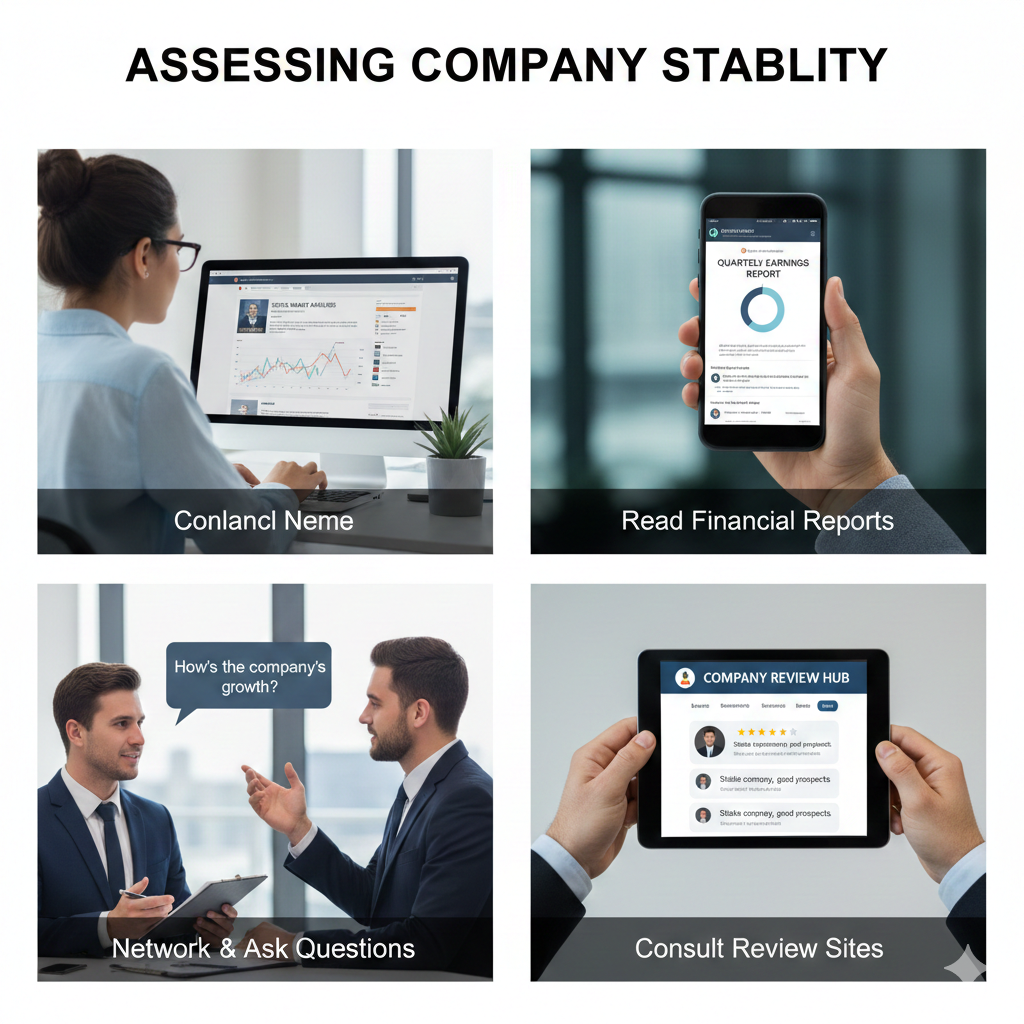
Job seekers often focus on roles, salaries, and skills. However, company stability matters just as much. Many careers stall because candidates ignore financial health. That is why learning how to check if a company is financially stable before applying is essential today.
A stable company offers growth, learning, and long-term security. On the other hand, unstable employers create stress and sudden layoffs. With the right checks, you can avoid these risks early.
Why financial stability matters for job seekers
Financial stability directly impacts your career experience. Stable companies pay on time and invest in people. They also survive market shifts better.
Unstable companies often freeze hiring or cut roles suddenly. This uncertainty affects performance and morale. Therefore, checking stability protects your career choices.
Understanding what financial stability really means
Financial stability does not mean massive profits only. It means sustainable operations and healthy cash flow. Companies must manage expenses, revenue, and growth wisely.
Some startups may not be profitable yet but remain stable. They secure funding and manage burn rates carefully. Understanding this difference helps you judge companies fairly.
How to check if a company is financially stable before applying
How to check if a company is financially stable before applying
Start with publicly available information. Most companies leave financial signals online. You just need to know where to look.
Company stability shows through consistency, transparency, and planning. Recruiters often assume candidates ignore this step. Doing it sets you apart instantly.
Review company funding and revenue sources
Funding reveals how long a company can operate comfortably. It also shows investor confidence. Strong backing often signals stability.
Look for:
- Recent funding rounds and active investors
- Clear revenue models explained on company websites
A company with no clear income plan carries higher risk. This simple check saves future trouble.
Analyze company growth and hiring patterns
Hiring trends reflect internal confidence. Stable companies hire steadily, not aggressively and suddenly. Sharp hiring spikes can signal short-term expansion risks.
Check career pages and LinkedIn updates. Consistent role openings indicate planned growth. Sudden mass hiring followed by freezes is a warning sign.
Research leadership credibility and company history
Leadership experience plays a major role in financial health. Strong leaders navigate downturns better. Weak leadership often leads to poor decisions.
Review founder backgrounds and executive tenure. Frequent leadership changes suggest instability. Long-term leaders indicate steady direction and trust.
Read employee reviews with a financial lens
Employee reviews reveal internal realities. However, read them carefully. Focus on financial patterns, not emotions.
Watch for repeated mentions of delayed salaries or layoffs. Complaints about budget cuts also matter. These signals explain how to check if a company is financially stable before applying more accurately than ratings alone.
Compare company performance with industry trends
A company does not operate in isolation. Industry health affects stability. Even good companies struggle in declining sectors.
Check if competitors are growing or shrinking. If an industry is stable, individual company risks reduce. This context sharpens your evaluation process.
Conclusion: Apply smart, not just fast
Blind applications waste time and energy. Smart candidates evaluate employers before committing. That is how to check if a company is financially stable before applying effectively.
When you research stability, you protect your career path. You also make confident decisions during interviews and negotiations. This habit builds long-term success.
Use the best job tool to explore verified opportunities and stable employers worldwide. Make informed moves, not rushed ones.
Find Your Dream Job Today – Explore Endless Career Opportunities and Secure Your Next Role with Best Job Tool.






Comments
Be the first to leave a comment.