

Introduction
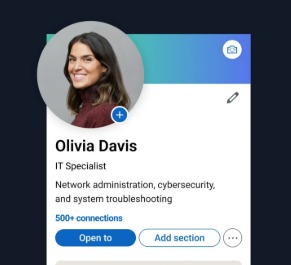
Your LinkedIn profile is not just an online resume. It is your digital introduction to the professional world. When someone visits your profile, the first thing they notice is your photo, headline, and then the About section. This section decides whether the reader will stay, connect with you, message you, or move on. A strong LinkedIn About section can open doors to job opportunities, freelance work, collaborations, and networking.
Many people ignore this section or write it in a boring way. Some copy and paste their resume, while others write only two lines. Both are big mistakes. Your About section is your chance to tell your story, show your personality, and explain your value clearly. If written well, it can make your profile irresistible.
In this article, you will learn step by step how to create a powerful LinkedIn About section using simple language, clear ideas, and a human tone.
Why the LinkedIn About Section Matters?
The About section gives context to your profile. Your headline tells what you do, but the About section explains who you are, what you do, and why it matters. Recruiters, clients, and professionals often read this part to understand your mindset and skills.
LinkedIn also uses keywords from your About section to show your profile in search results. This means a well-written About section can increase your visibility. More visibility means more opportunities.
Most importantly, this section helps build trust. When people read a clear and honest story, they feel more confident connecting with you.
How to Create an Irresistible LinkedIn About Section?
1. Understand Your Purpose Before Writing
Before you start writing, ask yourself one important question:
What do I want from LinkedIn?
Your About section should be written according to your goal. If you are a job seeker, your focus will be on skills, experience, and career goals. If you are a freelancer, you should highlight services, results, and how clients can work with you. And if you are a student or beginner, you can focus on learning, interests, and future plans.
Without clarity, your About section will look confused. When your purpose is clear, your writing becomes focused and attractive.
2. Start With a Strong Opening in About Section
The first 2–3 lines of your About section are very important because LinkedIn shows only these lines before the “see more” button. If your opening is boring, people will not click to read further.
Start with something that connects emotionally or professionally. You can talk about your passion, your journey, or the problem you love solving. Avoid starting with generic lines like “I am a hardworking professional” because everyone writes that.
A good opening feels personal and real. It should make the reader curious to know more about you.
3. Tell Your Story in a Simple Way
People connect with stories, not just skills. Your About section should feel like a conversation, not a formal document. Explain how you started, what you learned, and where you are now.
You do not need to share your entire life story. Focus on your professional journey. Mention challenges, changes, or turning points if relevant. This makes your profile human and relatable.
Use simple sentences. Avoid complex words. Write the way you speak, but keep it professional.
4. Clearly Explain What You Do in About Section
After your story, clearly explain what you do now. Many profiles fail here because they are unclear. The reader should immediately understand your role or expertise.
Instead of writing vague statements, be specific. Explain your work, responsibilities, or services in simple terms. Imagine explaining your job to someone who knows nothing about your field.
Clarity builds confidence. When people understand what you do, they know whether you are relevant to them.
5. Highlight Your Key Skills Naturally
Your About section is not the place to dump a long skills list. Instead, mention your key skills naturally while explaining your work. This helps with readability and keyword optimization.
Talk about how you use your skills and what results they help you achieve. This shows practical value, not just theory.
You can briefly mention tools, industries, or areas you work in, but keep it balanced.
6. Show Your Value, Not Just Experience in About Section
Many people only talk about their experience, but experience alone is not enough. You must show how you add value. Employers and clients want to know what benefit they get by working with you.
Explain how your work helps companies, teams, or individuals. Talk about outcomes like growth, improvement, engagement, or problem-solving. Even if you are a beginner, you can talk about your learning attitude, dedication, and fresh perspective.
Value creates interest. Interest leads to action.
7. Add Credibility Without Bragging
You should mention achievements, certifications, or important projects, but in a humble and natural way. Do not sound arrogant or exaggerate.
You can talk about results, recognition, or publications if you have them. If you are still building experience, mention internships, volunteering, or self-learning projects.
Honesty is very important. LinkedIn is a professional platform, and false claims can damage your reputation.
8. Let Your Personality Shine
Your About section should not sound robotic. Let your personality come through your words. This helps you stand out in a sea of similar profiles.
You can mention what motivates you, what you enjoy learning, or what type of work excites you. This makes your profile memorable.
Professional does not mean boring. A warm and genuine tone always attracts more people.
9. Write in First Person
Always write your About section in the first person using “I” instead of your name. This makes your profile sound direct and conversational.
Third-person writing feels distant and formal. First-person writing builds connection and trust.
LinkedIn is a networking platform, not a corporate brochure.
10. Use Short Paragraphs in About Section for Easy Reading
Most people read LinkedIn on their phones. Long blocks of text are hard to read on small screens. Use short paragraphs with 2–4 lines each.
White space improves readability. It keeps the reader engaged and makes your profile look clean and professional.
Avoid unnecessary symbols or excessive emojis. Keep it simple and neat.
11. Include a Soft Call to Action
An irresistible About section does not end abruptly. It guides the reader on what to do next. This is called a call to action.
You can invite people to connect, message you, collaborate, or discuss opportunities. Keep it polite and natural, not salesy.
A simple line at the end can increase engagement on your profile.
Common Mistakes to Avoid in “About Section”
Many people make similar mistakes while writing their LinkedIn About section. Avoid copying your resume word for word. A resume is formal, but LinkedIn is conversational.
Do not use too much jargon or fancy words. Simple language works best. Also, avoid being too short or too long without structure.
Another mistake is focusing only on yourself and ignoring the reader. Always think about what the reader wants to know.
Example Structure You Can Follow
While you should write in your own words, a simple structure helps:
• Strong opening
• Your story or journey
• What you do now
• Skills and value
• Achievements or learning
• Call to action
Use this structure as a guide, not a rule.
For detailed guide specially on LinkedIn, visit here.
Conclusion
Your LinkedIn About section is your personal brand statement. It tells people who you are beyond job titles. When written with clarity, honesty, and purpose, it becomes a powerful tool.
You do not need perfect grammar or big words. You need real thoughts, clear direction, and confidence in your journey. Everyone has a story worth sharing, including beginners.
Take time to write, review, and improve your About section. Read it aloud. If it sounds like you, then you are on the right track.
An irresistible LinkedIn About section does not try to impress everyone. It connects with the right people. And that is what truly matters.
Read more blogs here.






Comments
Be the first to leave a comment.