

Introduction
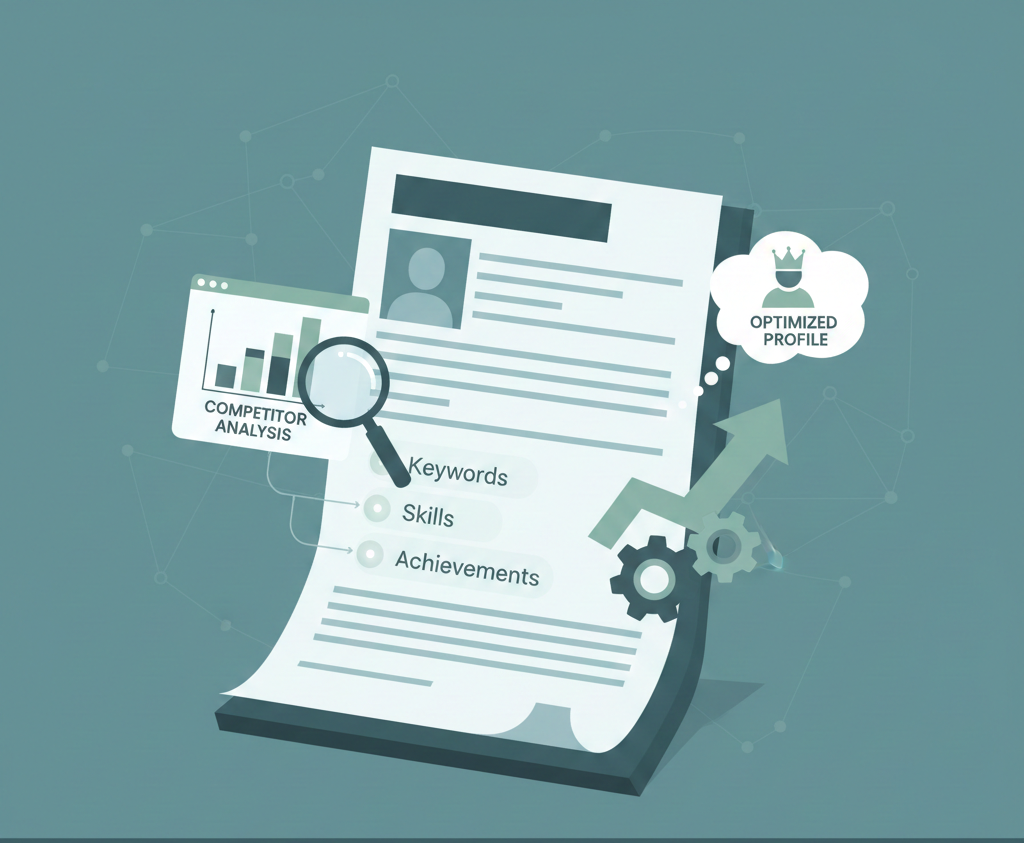
A strong resume is no longer just about listing basic skills and experience. It is about basic positioning yourself correctly in a competitive job market. That is why learning how to optimize your resume using competitor analysis can significantly improve your chances of getting interviews.
Competitor analysis helps you understand how other candidates present themselves for similar roles. It reveals what employers expect and what recruiters notice first. Instead of guessing, you build your resume based on real market signals.
This blog explains how to optimize your resume using competitor analysis in a practical and strategic way.
Understanding competitor analysis in job searching
Competitor analysis in job searching means studying resumes and profiles of candidates applying for similar roles. These competitors may be professionals already working in your target role or candidates actively applying.
Employers compare resumes constantly. Understanding this comparison helps you align your resume with hiring expectations.
When you optimize your resume using competitor analysis, you shift from assumption-based writing to evidence-based positioning.
Identifying your real competition in the job market
Your competitors are not everyone in your industry. They are people applying basic for the same roles with similar experience levels.
LinkedIn profiles, job boards, and professional portfolios reveal how others describe their skills and achievements. Observing these patterns gives valuable insight.
Knowing your competition helps you understand where you stand and what needs improvement.
Analyzing common skills and keywords in similar resumes
Recruiters search resumes using specific keywords. These keywords often basicrepeat across multiple profiles for the same role.
By reviewing competitor profiles, you can identify frequently mentioned skills, tools, and certifications. These reflect current employer priorities.
Including relevant keywords naturally helps optimize your resume using competitor analysis without sounding forced.
Comparing achievements instead of responsibilities
Many resumes list responsibilities, but strong resumes focus on outcomes. Competitor analysis highlights this difference clearly.
Observe how successful candidates quantify results and impact. Numbers, outcomes, and improvements stand out more than duties.
When you rewrite your resume to emphasize achievements, your profile becomes more competitive and credible.
Identifying gaps and strengths honestly
Competitor analysis basic reveals gaps in your resume. These gaps may include missing skills, weak descriptions, or outdated tools.
At the same time, it also highlights strengths others may not have. These unique strengths help differentiate your profile.
Optimizing your resume is not about copying others. It is about positioning yourself better using clear insight.
Refining resume structure and formatting
Strong resumes are easy to scan. Competitor analysis often shows patterns in structure and formatting.
Clear section headings, concise bullet points, and clean layouts improve readability. Recruiters appreciate resumes that save time.
When you optimize your resume using competitor analysis, structure becomes a strategic advantage rather than a design choice.
Updating your summary to match market expectations
Resume summaries often feel generic. Competitor analysis helps refine them.
Review how top candidates describe their value in the opening section. Notice how they combine role identity, experience, and impact.
Updating your summary based on these insights improves relevance and recruiter interest instantly.
Using competitor insights without losing authenticity
The goal is not to copy resumes line by line. That reduces originality and trust.
Instead, adapt insights to your own experience and voice. Authentic resumes build stronger connections.
When done correctly, optimizing your resume using competitor analysis enhances clarity without compromising individuality.
Conclusion
The job market rewards strategic positioning. That is why learning how to optimize your resume using competitor analysis is a powerful career skill.
By studying competitors, identifying patterns, and refining your resume accordingly, you increase visibility and credibility. Your resume becomes aligned with real hiring expectations.
To put your optimized resume to work, explore opportunities through basic the best job tool and connect with roles that truly match your skills.
Find Your Dream Job Today – Explore Endless Career Opportunities and Secure Your Next Role with Best Job Tool.






Comments
Be the first to leave a comment.