

Introduction
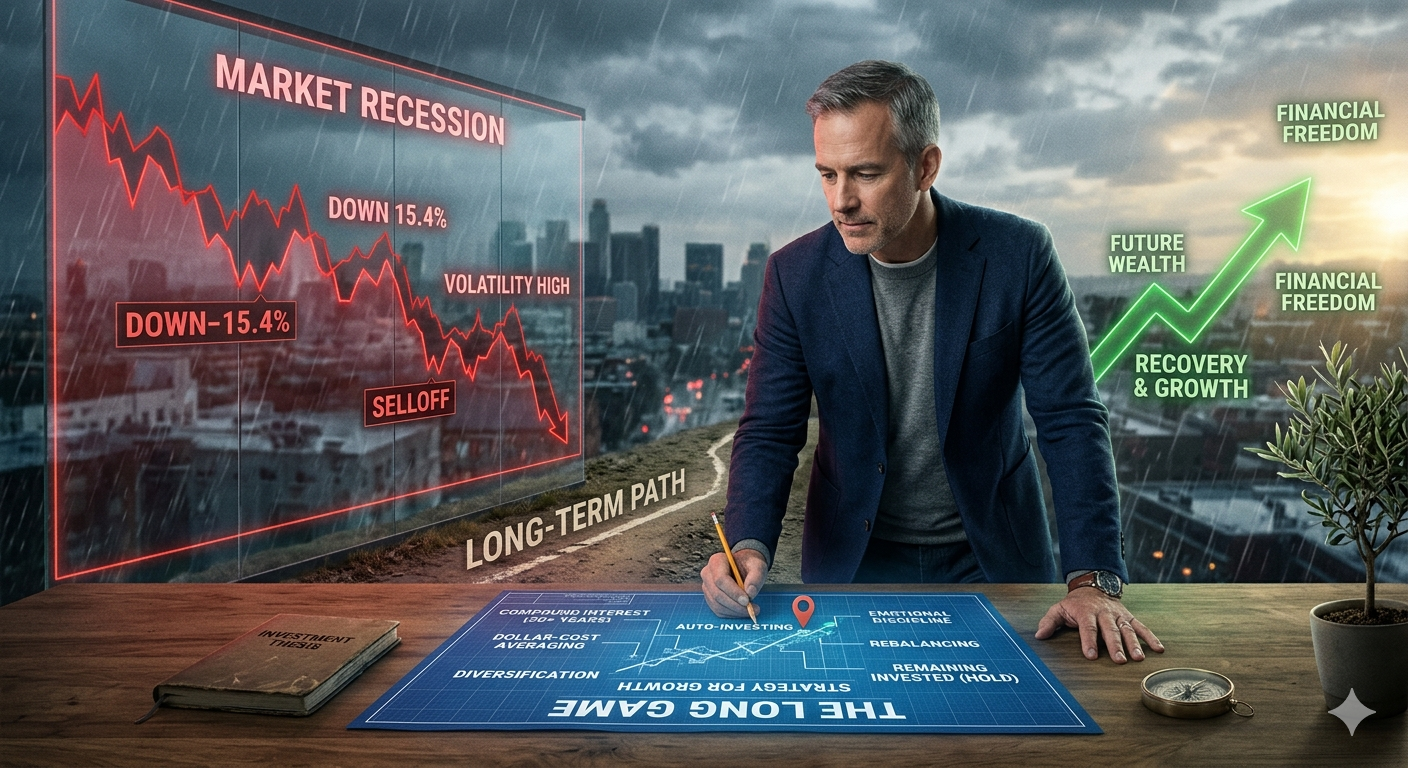
Difficult markets create uncertainty, frustration, and pressure. Hiring slows down, competition increases, and opportunities may seem limited. During these periods, many professionals make short-term decisions driven by fear. This is exactly why understanding how to play the long game when the market is bad becomes critically important.
Strong careers are not built only during periods of growth. In many cases, the habits, skills, and decisions developed during difficult times shape long-term success more than easy wins ever could.
Professionals who focus on resilience, adaptability, and strategic growth often emerge stronger when markets recover.
Understanding what the “long game” really means
Playing the long game means focusing on sustainable growth rather than immediate results. It involves making decisions based on future value instead of short-term emotional reactions.
In difficult markets, this mindset becomes even more important. Quick opportunities may look attractive, but not all of them support long-term goals.
Additionally, the long game requires patience. Results may not appear immediately, but consistent effort compounds over time.
Therefore, long-term thinking creates stability during uncertainty.
Why bad markets create emotional decision-making
When markets slow down, fear increases. Professionals may feel pressure to accept any opportunity available.
This often leads to reactive decisions rather than strategic ones. People may abandon long-term goals for temporary relief.
Additionally, constant comparison with others can create anxiety. Social pressure makes uncertainty feel even heavier.
Moreover, rejection and slow progress can reduce confidence.
Therefore, maintaining perspective during difficult periods becomes essential.
How to play the long game when the market is bad
The first step is protecting your mindset. Avoid defining your value based on temporary market conditions.
Next, focus on what remains within your control. This includes learning, networking, improving skills, and building visibility.
Additionally, continue investing in long-term career assets such as relationships, expertise, and reputation.
Moreover, avoid panic-driven decisions that compromise future opportunities.
Thus, consistency during difficult periods creates long-term advantages.
Building skills while others pause
Bad markets often create slower periods. While many professionals stop growing during uncertainty, long-term thinkers use this time strategically.
Develop skills that increase future relevance. Focus on areas connected to emerging trends and market needs.
Additionally, strengthen transferable skills such as communication, problem-solving, and adaptability.
Moreover, practical projects and certifications can improve positioning.
Therefore, difficult markets can become preparation periods for future opportunities.
The importance of financial discipline during uncertainty
Financial stress often increases pressure during weak markets. Professionals who lack financial stability may feel trapped.
Building financial discipline creates flexibility and reduces emotional decision-making.
Additionally, controlling expenses and maintaining savings provide breathing room during transitions.
Moreover, diversified income streams can improve security.
Thus, financial stability supports long-term career thinking.
Maintaining visibility and professional relationships
Many opportunities during difficult markets come through relationships rather than job boards.
Professionals should continue networking even when hiring slows down. Visibility matters during uncertain periods.
Additionally, staying active through content, discussions, or industry engagement strengthens professional presence.
Moreover, helping others within your network builds stronger relationships over time.
Therefore, relationship-building remains valuable regardless of market conditions.
Staying adaptable instead of rigid
Rigid career thinking becomes dangerous during disruption. Professionals who insist on only one path often struggle longer.
Adaptability allows individuals to explore adjacent roles, industries, or opportunities without losing direction.
Additionally, flexibility creates more options during uncertainty.
Moreover, adaptability improves resilience because professionals become less dependent on one outcome.
Thus, flexibility supports long-term survival and growth.
Avoiding burnout and protecting mental resilience
Difficult markets can become emotionally exhausting. Constant stress often reduces focus and confidence.
Professionals should create routines that support mental stability. Rest, structure, and healthy habits improve resilience.
Additionally, separating identity from temporary professional setbacks is important.
Moreover, maintaining perspective helps avoid burnout-driven decisions.
Therefore, mental resilience becomes a strategic advantage during uncertainty.
Why patience becomes a competitive advantage
Most people become inconsistent during difficult periods. They stop learning, networking, or investing in growth.
Professionals who remain patient and disciplined often gain an advantage because fewer people stay committed long enough.
Additionally, markets eventually recover. Those who prepared during downturns are usually positioned better when opportunities return.
Moreover, patience allows professionals to make stronger strategic decisions.
Thus, consistency and patience compound over time.
Using bad markets as a career reset opportunity
Difficult periods can also create clarity. Professionals often reassess priorities, goals, and long-term direction during uncertainty.
This can become an opportunity to pivot toward more aligned or future-focused work.
Additionally, slower markets provide time for reflection and strategic planning.
Moreover, transitions made intentionally during disruption can create stronger long-term outcomes.
Therefore, uncertainty can become a catalyst for meaningful growth.
Conclusion
Understanding how to play the long game when the market is bad is essential for building long-term career resilience. Difficult periods are temporary, but the habits and decisions made during them often shape future success.
Professionals who continue learning, building relationships, and thinking strategically during uncertainty create stronger opportunities over time.
In a changing world, resilience is not about avoiding disruption. It is about adapting without losing direction.
To explore future-ready opportunities that align with your long-term career goals, use the best job tool and stay prepared for the next stage of growth.
Find Your Dream Job Today – Explore Endless Career Opportunities and Secure Your Next Role with Best Job Tool.






Comments
Be the first to leave a comment.