

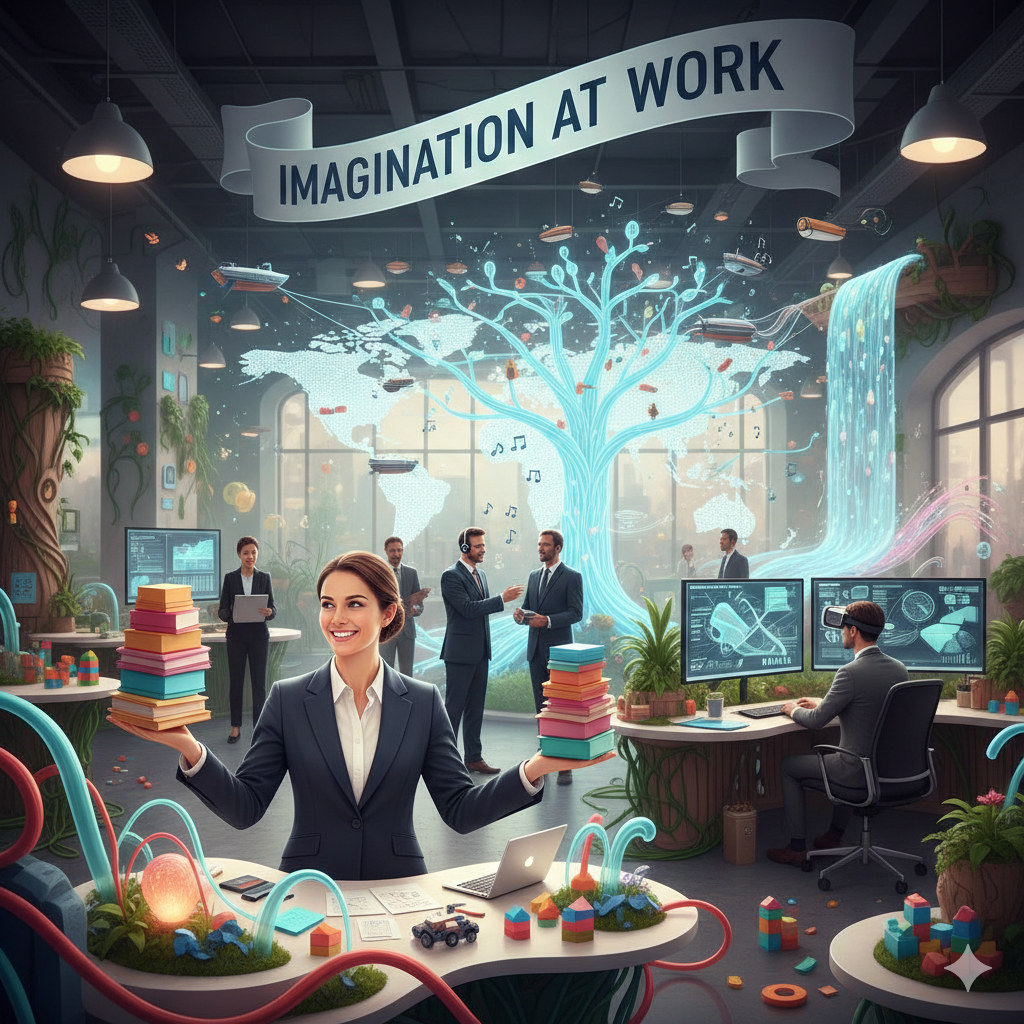
Understanding Creativity in Non-Creative Roles
Creativity is often linked to art, design, or marketing, but it is equally valuable in non-creative roles. Even in structured jobs, thinking differently can improve processes, solve problems, and make work more engaging. Showing creativity in non-creative any role can set you apart, boost career growth, and make you an indispensable team member.
Identify Opportunities to Show Innovation
Understanding what creativity means in your role is the first step. Creativity is not limited to artistic expression; it can include problem-solving, innovative thinking, and finding more efficient ways to complete tasks. Identify areas where new approaches can make a difference. Showing small improvements consistently demonstrates creative thinking.
Analyze Processes for Improvement
Observing processes and identifying bottlenecks can reveal opportunities to show innovation. Look at your daily tasks critically and ask how they can be improved. Suggest new tools, streamline workflows, or introduce helpful templates. Employers notice employees who proactively find solutions and improve efficiency.
Collaborate to Amplify Creative Ideas
Collaboration is a key way to show creativity. Brainstorming with colleagues can generate ideas that benefit the entire team. Even non-creative departments can contribute unique insights that enhance projects. Sharing fresh perspectives shows initiative and a willingness to think beyond standard procedures.
Use Data and Insights to Drive Ideas
Using data and insights to drive ideas is another method. Creativity does not always require intuition; it can emerge from analysis. Present findings in a visually engaging way, suggest new strategies based on trends, or develop a plan to address recurring issues. Demonstrating innovative thinking grounded in facts makes your creativity tangible.
Experiment with New Methods
Experimenting with new methods can help you show creative thinking effectively. Try different approaches to routine tasks or explore alternative ways to communicate information. Practical examples include:
- Designing a new report format that simplifies data interpretation
- Automating repetitive tasks to save time and reduce errors
- Creating guides or templates that improve team productivity
These actions demonstrate resourcefulness and initiative. Showing creativity in practical ways builds credibility and recognition.
Enhance Communication to Show Creativity
Enhancing communication can also be a platform to show creativity. Presenting ideas clearly and engagingly encourages collaboration and buy-in. Use storytelling, visuals, or interactive formats to make your proposals stand out. Effective communication combined with creative thinking leaves a strong impression.
Continuous Learning and Idea Documentation
Continuous learning contributes to creative problem-solving. Exploring new skills or tools expands your perspective and equips you to show innovative solutions. Documenting and sharing your ideas keeps supervisors and teammates aware of your initiatives. Visible contributions demonstrate both creativity and commitment to growth.
Conclusion
You can show creativity in any role by improving processes, collaborating, experimenting, communicating effectively, and continuously learning. Practical initiatives and innovative thinking set you apart, even in structured positions. Use the best job tool to discover roles where your problem-solving and creative thinking are valued. Showing creativity strategically ensures recognition, career growth, and professional satisfaction.
Find Your Dream Job Today: Explore Endless Career Opportunities and Secure Your Next Role with Best Job Tool






Comments
Be the first to leave a comment.