

Introduction
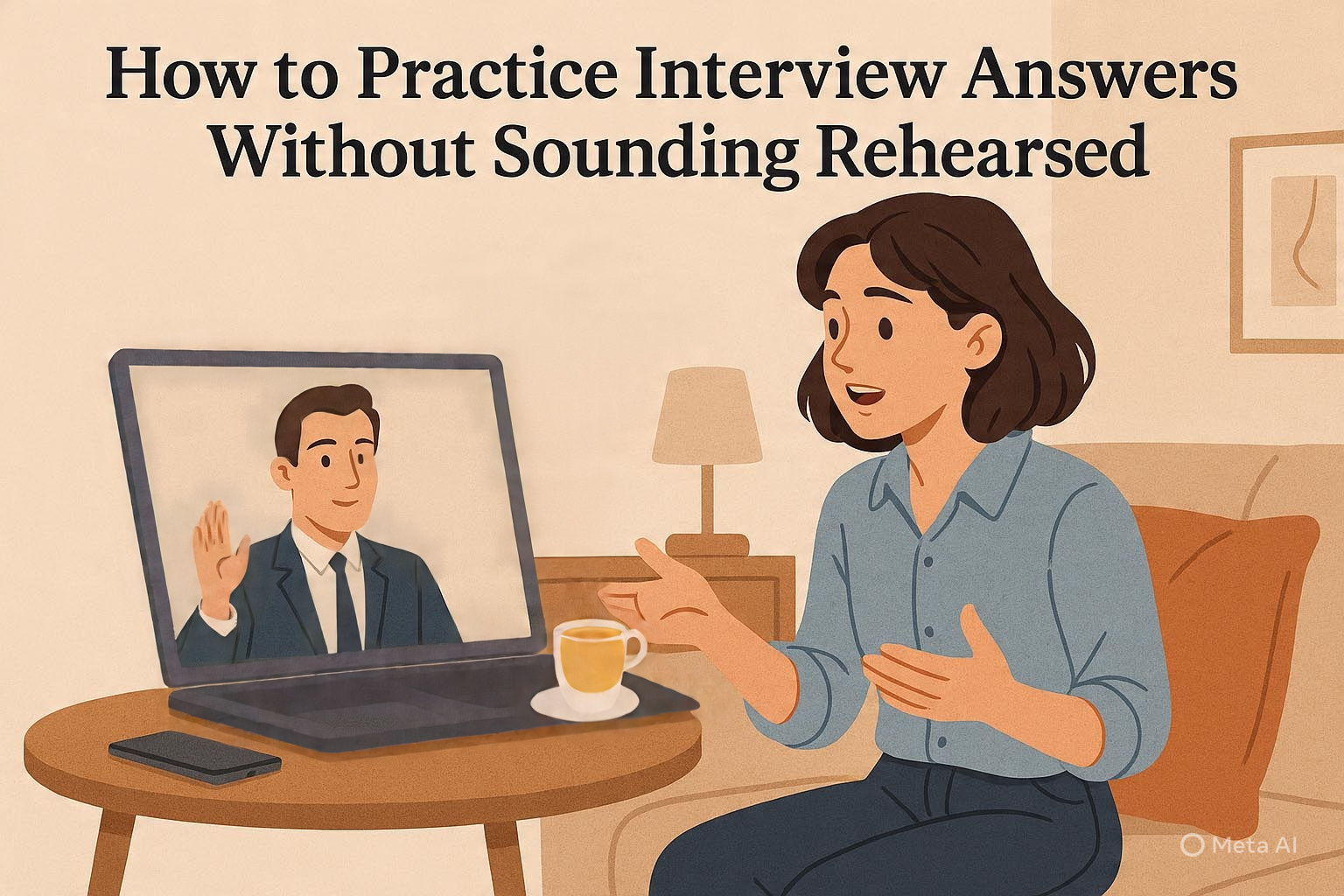
Preparing for a job interview can be both exciting and nerve-wracking. On one hand, it is an opportunity to showcase your skills and experience. On the other hand, too much pressure to perform perfectly can lead to stress, overthinking, and even poor performance. One common mistake candidates make is over-rehearsing. While preparation is essential, over-rehearsing can make your answers sound robotic and unnatural. In this article, we will explore how to prepare effectively for interviews without over-rehearsing.
Understanding the Balance of Interview Preparation and Over-Rehearsing
Before we discuss preparation techniques, it is important to understand the balance between practice and over-practice. Practicing for an interview is crucial because it helps you:
- Understand the type of questions likely to be asked
- Organize your thoughts clearly
- Reduce nervousness
- Boost confidence
However, over-rehearsing can lead to:
- Mechanical responses that lack authenticity
- Difficulty adapting to unexpected questions
- Increased stress when you forget the “perfect answer”
The key is prepared flexibility—knowing your strengths and experiences well enough to discuss them confidently, but without memorizing answers word for word.
Step 1: Research the Company and Role for Interview Preparation
The first step in interview preparation is thorough research. Knowing about the company and the role gives you context and allows you to answer questions intelligently.
Company Research
- Company Mission and Values: Understanding what the company stands for will help you align your answers with its culture.
- Products and Services: Be familiar with the company’s main offerings. You may get questions about how your skills can contribute to them.
- Recent News: Awareness of the latest company updates shows that you are genuinely interested.
Role Research
- Job Description: Carefully read the job description. Highlight required skills and experiences.
- Skills and Responsibilities: Identify which of your skills match the role and prepare examples to demonstrate them.
- Team and Department: If possible, learn about the team you will be joining. It may give you insight into the work environment.
By focusing on research, you prepare yourself to answer questions naturally, without needing to memorize specific answers.
Step 2: Prepare Key Points Instead of Full Answers
Instead of memorizing complete answers to common interview questions, focus on key points you want to mention. This allows you to sound confident while remaining natural.
How to Identify Key Points
- List Important Skills: Note your top skills relevant to the job.
- Select Examples: Choose experiences that demonstrate these skills. Use real-life examples from your previous work, studies, or projects.
- Highlight Achievements: Include measurable results wherever possible. For example, “Increased sales by 15% in six months.”
Example: “Tell Me About Yourself”
Instead of writing a full script, note:
- Your current role and background
- Key achievements or experiences
- Why you are interested in this role
- Your future goals
During the interview, you can expand naturally on these points without sounding rehearsed.
Step 3: Practice, But Not Excessively
Practicing is essential to feel confident, but over-practicing can backfire. Here’s how to practice effectively:
1. Mock Interviews
- Conduct mock interviews with a friend, mentor, or career coach.
- Focus on conversation flow, not memorized answers.
- Ask for feedback on your communication, clarity, and confidence.
2. Record Yourself
- Recording yourself can help you identify areas to improve, such as filler words (“um,” “like”) or pacing.
- Do not aim for perfection; just notice where you can sound more natural.
3. Limit Rehearsals
- Practicing 2-3 times is usually sufficient.
- Over-rehearsing can make your speech sound mechanical.
- Focus on understanding your stories and achievements rather than memorizing exact phrases.
Step 4: Focus on Storytelling
Storytelling is a powerful tool in interviews. Recruiters prefer candidates who can tell stories about their experiences instead of listing facts.
STAR Method
A structured way to present your experiences is the STAR method:
- S – Situation: Describe the context of your experience.
- T – Task: Explain the task or challenge you faced.
- A – Action: Share the actions you took to handle the situation.
- R – Result: Highlight the outcome or result of your actions.
By preparing stories using STAR, you can answer questions naturally without sounding scripted.
Step 5: Understand Common Interview Questions through Interview Preparation
While you should not memorize answers, it is useful to be aware of common questions so you can think about your responses ahead of time.
Examples:
- Tell me about yourself.
- Why do you want to work here?
- What are your strengths and weaknesses?
- Describe a challenging situation and how you handled it.
- Where do you see yourself in 5 years?
Instead of memorizing answers, think about examples from your life that can fit these questions.
Step 6: Develop Mental Flexibility through Interview Preparation
Interviews can be unpredictable. You may face questions you did not expect. Mental flexibility helps you stay calm and respond intelligently.
Tips for Mental Flexibility:
- Take a deep breath before answering unexpected questions.
- Paraphrase the question in your own words if unsure.
- Relate the answer to your experiences or skills.
- Admit if you do not know something but show willingness to learn.
Step 7: Work on Non-Verbal Communication
Non-verbal cues are just as important as what you say. Over-rehearsing can sometimes make body language stiff. Focus on natural gestures and expressions.
Key Tips:
- Maintain eye contact.
- Smile genuinely.
- Use open hand gestures to emphasize points.
- Sit or stand with good posture.
- Avoid fidgeting or crossing arms defensively.
Step 8: Manage Interview Anxiety through Interview Preparation
Even well-prepared candidates can feel anxious. Over-rehearsing often increases anxiety because you fear forgetting “perfect answers.” Instead, focus on calm preparation.
Techniques:
- Visualization: Imagine yourself answering questions confidently.
- Breathing Exercises: Practice deep breathing to reduce stress.
- Positive Affirmations: Remind yourself of your skills and achievements.
- Light Exercise: A short walk or stretch before the interview can help release tension.
Step 9: Focus on Learning, Not Just Performing
An interview is a conversation, not a performance. When your goal is to learn about the company and role, rather than just reciting answers, you naturally appear more engaged.
- Listen carefully to the interviewer’s questions.
- Ask thoughtful questions about the team, culture, or projects.
- Show curiosity about the company’s challenges and goals.
This mindset reduces the need to over-rehearse and helps you respond authentically.
Step 10: Post-Interview Reflection
After each interview, reflect on your performance:
- What went well?
- Which questions felt challenging?
- How did you feel during the conversation?
Use this feedback to improve for future interviews, without turning it into over-rehearsal. Reflection builds confidence naturally.
Common Mistakes to Avoid
- Memorizing Full Answers: Sounds robotic and unnatural.
- Overthinking Every Word: Can increase anxiety.
- Neglecting Research: Being unaware of the company shows lack of interest.
- Ignoring Non-Verbal Communication: Your body language speaks as much as words.
- Failing to Listen: Don’t just focus on giving prepared answers; understand the question fully.
You can also read “How to end interviews on a strong note”.
Conclusion
Interview preparation is essential, but over-rehearsing can be counterproductive. The goal is to know your skills, experiences, and achievements well enough to discuss them confidently, without memorizing word-for-word answers.
By researching the company, preparing key points, practicing moderately, focusing on storytelling, maintaining natural body language, and managing anxiety, you can perform better in interviews and leave a strong impression on recruiters. Remember, interviews are conversations, not performances. Approach them with confidence, authenticity, and curiosity, and success will follow.
To explore more such blogs, visit here.






Comments
Be the first to leave a comment.