

Introduction
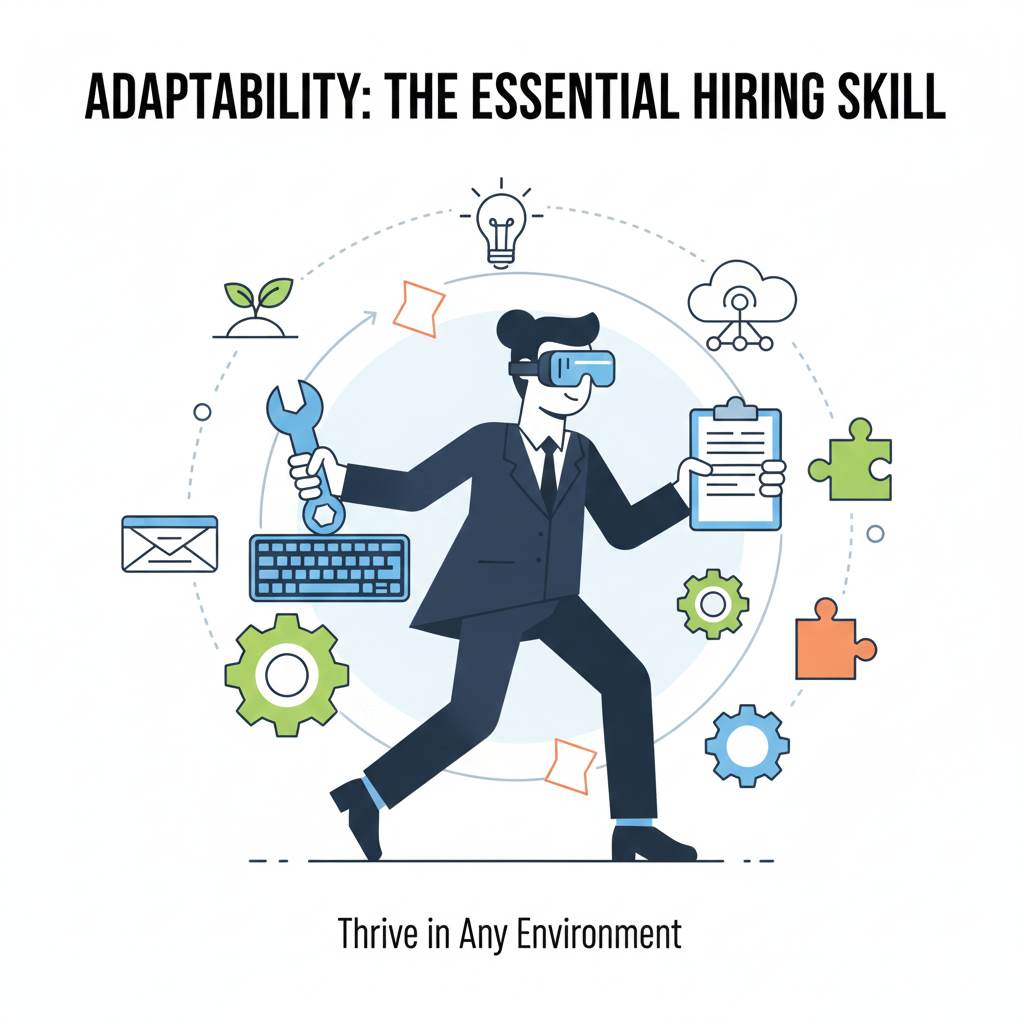
Adaptability is the ability to adjust thinking, behavior, and skills when conditions shift. It is not about knowing everything. It is about learning fast.
Adaptable employees stay calm during uncertainty. They respond positively instead of resisting change. As a result, teams move forward smoothly.
This mindset is now essential in dynamic work environments.
Why has change become constant across industries
Technology evolves rapidly. Business models shift often. Therefore, change is no longer occasional.
Remote work, automation, and global competition drive constant transformation. Roles evolve faster than job descriptions.
Because of this reality, employers prioritize people who can keep pace without slowing teams down.
How adaptability reduces risk for employers
Hiring always involves risk. Adaptable employees reduce that risk significantly.
When priorities change, adaptable hires adjust without frustration. They need less retraining and supervision. This saves time and money.
Moreover, they recover quickly from setbacks. This resilience protects business continuity.
Adaptability as a sign of a learning mindset
Adaptability reflects the willingness to learn. Employers value this more than fixed expertise.
Skills can become outdated quickly. However, learning ability remains valuable. Adaptable professionals update skills proactively.
They often show this through:
- Openness to feedback and new ideas
- Quick adoption of new tools
- Curiosity about industry trends
This mindset ensures long-term relevance.
The connection between adaptability and teamwork
Modern teams are diverse and distributed. Therefore, flexibility matters more than ever.
Adaptable employees collaborate across cultures and time zones easily. They adjust communication styles as needed.
This flexibility improves teamwork and reduces conflict. As a result, productivity increases naturally.
Why adaptability matters during hiring assessments
Hiring tasks often include ambiguity. Employers use this intentionally.
They observe how candidates handle unclear instructions or sudden changes. Adaptable candidates stay composed and solution-focused.
This behavior demonstrates real-world readiness. It shows how candidates will perform after joining.
Adaptability and career growth potential
Career paths are no longer linear. Roles evolve, merge, or disappear.
Adaptable professionals pivot smoothly when needed. They move into new responsibilities with confidence.
This flexibility accelerates career growth. It also opens doors to leadership opportunities.
Turning adaptability into a long-term advantage
Adaptability is not a one-time skill. It grows through practice and awareness.
Understanding why adaptability has become the top hiring skill helps you develop it intentionally. You start embracing change instead of fearing it.In conclusion, adaptability defines success in modern careers. It supports learning, teamwork, and resilience. Employers trust adaptable professionals to navigate uncertainty and drive progress. Use the best job tool to find roles that value flexibility and future-ready skills.
Find Your Dream Job Today – Explore Endless Career Opportunities and Secure Your Next Role with the Best Job Tool.





Comments
Be the first to leave a comment.