

Introduction
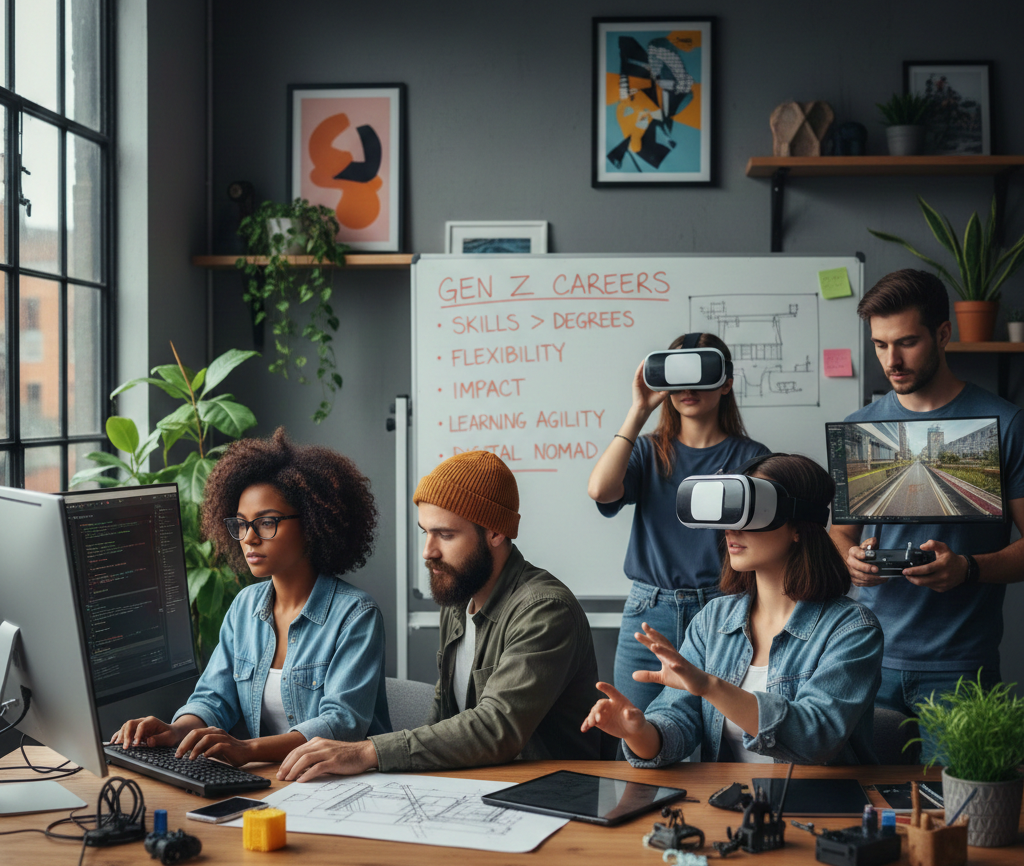
Gen Z is rewriting the rules of work. Instead of following traditional paths, they now prefer skills-first careers that offer flexibility, faster growth, and more control. This shift is reshaping the job market and pushing employers to value careers practical skills over academic labels. As new technologies emerge every year, the ability to learn and apply skills quickly has become a superpower.
In this blog, you’ll discover why Gen Z is leaning away from degrees and toward skill-focused careers, and why this trend is becoming the new normal for the future workforce.
Changing Mindset Toward Practical Learning
Gen Z grew up in a fast-paced digital world. They watched industries transform overnight and saw how skills like design, analytics, and content creation became high demand. As a result, they now trust practical learning over long academic journeys.
Short courses, bootcamps, and certifications feel more aligned with their goals. These options move faster, cost less, and offer results sooner. Because of this, skills-first careers feel more achievable and rewarding.
Faster Growth With Real Skills
Growth matters deeply to Gen Z. They want to see progress, and they want it early. Skills-first paths allow them to move forward quickly because they can learn and apply new abilities in real time.
Most companies today reward skill mastery more than tenure. When young professionals show strong communication, problem-solving, and digital skills, they get opportunities faster. This is why skills-first careers appeal so strongly to them.
Desire For Independence And Control
Gen Z values independence. They want more control over how they work and how fast they grow. Skills empower them to choose freelance work, remote roles, or full-time positions based on their lifestyle.
Having in-demand skills gives them options. They don’t feel stuck in one direction. This freedom is a major reason why skills-first careers are becoming their top choice.
Lower Entry Barriers In Modern Roles
Today’s job market rewards ability more than degrees. Tech, marketing, and design fields now offer easier entry for skilled beginners. This shift opens doors for those who focus on learning relevant tools and techniques.
Because entry barriers are lower, Gen Z feels confident stepping into professional careers without traditional qualifications. This encourages more exploration, experimentation, and early success.
Preference For Continuous Up skilling
Gen Z enjoys learning. They see upskilling as a lifestyle, not an obligation. Continuous learning helps them stay competitive and creative. They prefer skills-first careers because these paths encourage regular development.
Here’s what motivates them to keep learning:
- They want to stay relevant in a changing market.
- They enjoy exploring new tools, trends, and digital frameworks.
Upskilling gives them an edge, and it builds confidence. With every new skill, they get closer to a better opportunity.
Workplaces Rewarding Skills Over Degrees
Companies are changing their hiring strategies. More organizations now choose candidates based on what they can do rather than what they studied. This shift works strongly in Gen Z’s favor.
Here’s why workplaces value skills-first professionals:
- They adapt faster to new tools and market shifts.
- They solve problems with creativity and real-world thinking.
Because workplaces reward talent this way, skills-first careers feel more stable and future-proof.
Flexibility Through Remote Work Opportunities
Remote work changed everything. Gen Z witnessed how digital skills open doors to global opportunities without location limits. Skills-first paths allow them to build portfolios, freelance, or collaborate virtually with companies worldwide.
This flexibility makes skills-first careers more attractive. They match Gen Z’s lifestyle preferences and help them maintain better work–life balance.
Stronger Identity Through Mastery
Gen Z connects identity with personal growth. They feel proud when they master a skill and see immediate results. This emotional satisfaction motivates them to choose skill-centered paths.
Mastery helps them feel confident. It also gives them a sense of purpose. When they see their work creating impact, they stay committed to skills-first careers.
Conclusion
Gen Z is transforming the future of work by choosing skills-first careers that offer freedom, speed, and growth. Their focus on practical learning, upskilling, and adaptability makes them powerful contributors in today’s evolving job market. As the world shifts toward skill-based hiring, tools that support this journey become essential. With the best job tool, Gen Z can explore roles, learn new skills, and build meaningful careers with confidence and clarity.
Find Your Dream Job Today Explore Endless Career Opportunities and Secure Your Next Role with Best Job Tool






Comments
Be the first to leave a comment.