

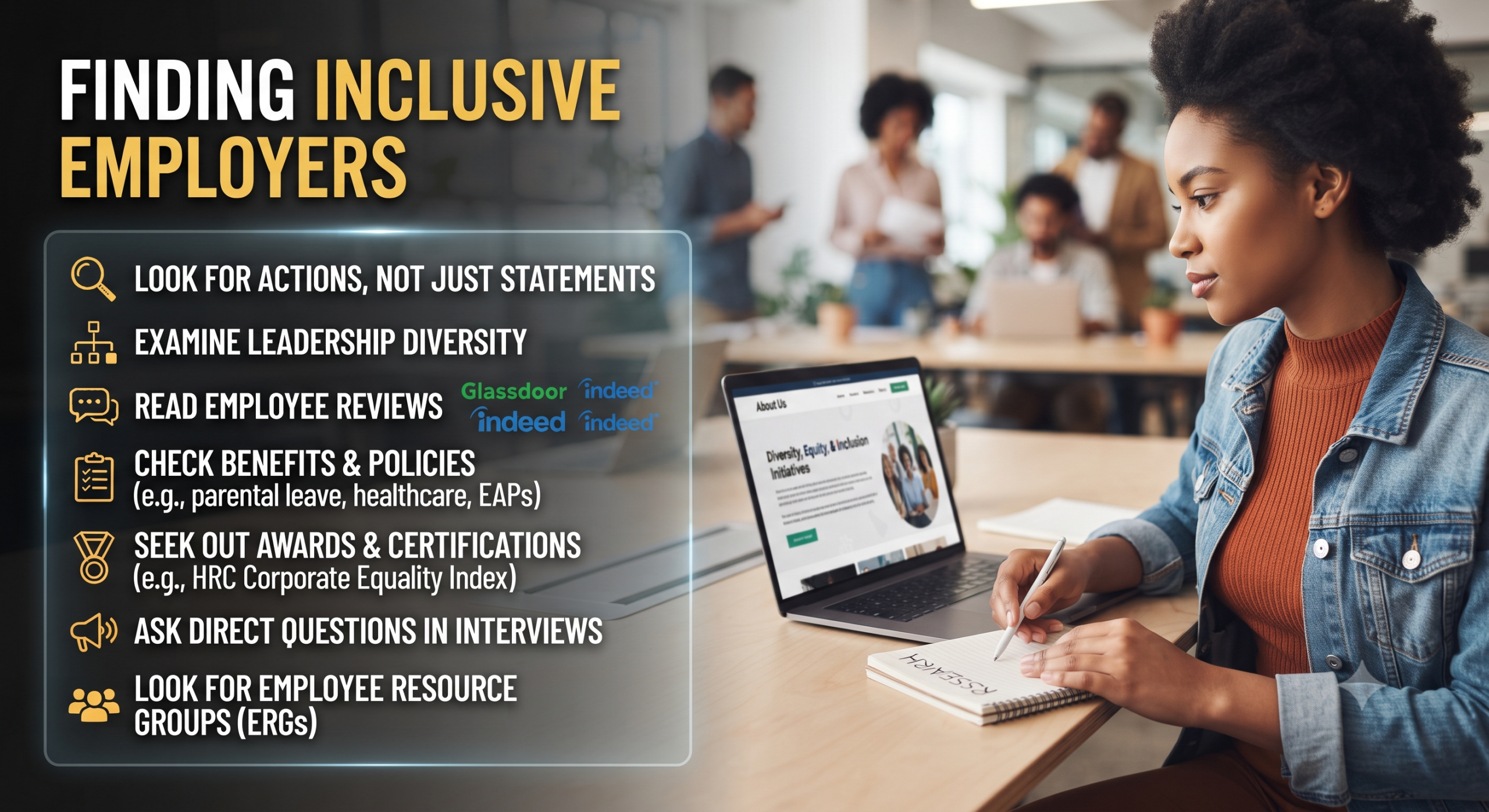
Introduction
Many companies proudly promote their commitment to diversity, equity, inclusion (DEI), employee well-being, and workplace culture. Career pages are filled with inspiring messages, polished videos, and statements about creating a welcoming environment for Inclusiveeveryone. While these initiatives can reflect genuine organizational values, they can also serve as branding tools that don’t always match employees’ day-to-day Inclusive experiences.
For job seekers, relying solely on marketing claims can lead to disappointment after joining an organization. A truly inclusive employer demonstrates its commitment through transparent policies, equitable opportunities, supportive leadership, and measurable outcomes—not just attractive messaging.
Finding an inclusive workplace requires careful research, thoughtful questioning, and a willingness to look beyond company websites. By evaluating how an organization hires, promotes, communicates, and supports its employees, candidates can make informed decisions about where they are most likely to succeed.
Whether you’re searching for remote opportunities or global career options through the best job tool, a global job platform, learning how to identify authentic inclusion can help you build a rewarding and sustainable career.
H2: Look Beyond the Company’s Careers Page
A careers page is designed to attract candidates, so it naturally highlights an organization’s strengths. While it can provide useful information, it should not be your only source of insight.
Instead, compare the company’s public messaging with evidence from multiple sources.
Review:
- Leadership biographies
- Annual reports
- ESG or sustainability reports
- News coverage
- Industry publications
- Employee testimonials
- Independent workplace reviews
Look for consistency between what the company says and what it actually does. Organizations that genuinely prioritize inclusion typically provide examples, measurable achievements, and ongoing initiatives rather than relying on broad statements.
H2: Evaluate Leadership Representation
Inclusive workplaces are often reflected in their leadership teams.
Visit the company’s website or professional networking platforms to assess representation across different levels of management.
Consider questions such as:
- Is leadership diverse in terms of gender, ethnicity, age, and experience?
- Are women and underrepresented groups represented in executive roles?
- Has the company promoted diverse employees internally?
- Does diversity extend beyond entry-level hiring?
A company that values inclusion invests in creating opportunities throughout the organization rather than focusing solely on recruitment.
Leadership diversity often signals that advancement opportunities are available for employees from different backgrounds.
H2: Research Employee Experiences Across Multiple Sources
Current and former employees can provide valuable insights into workplace culture.
Instead of relying on one review platform, compare experiences from several sources to identify recurring themes.
Look for comments about:
Positive Indicators
- Fair promotion practices
- Respectful management
- Inclusive teamwork
- Career development opportunities
- Psychological safety
- Flexible work arrangements
- Transparent communication
Warning Signs
- High employee turnover
- Favoritism
- Discrimination complaints
- Limited advancement opportunities
- Lack of leadership accountability
- Poor communication
Focus on consistent patterns rather than isolated opinions. Every organization receives occasional criticism, but repeated concerns across multiple reviews deserve attention.
H2: Examine Company Policies and Workplace Practices
Authentic inclusion is supported by practical policies rather than marketing language.
Review whether the organization clearly communicates its approach to:
Hiring
- Equal opportunity employment
- Structured interview processes
- Accessibility accommodations
- Skills-based hiring
Employee Development
- Mentorship programs
- Leadership development
- Learning opportunities
- Internal promotions
Employee Well-being
- Flexible work arrangements
- Parental leave
- Mental health support
- Inclusive healthcare benefits
- Employee Resource Groups (ERGs)
Companies that openly explain these initiatives often demonstrate greater transparency and accountability.
H2: Ask Strategic Questions During Interviews
Interviews provide one of the best opportunities to evaluate an employer’s commitment to inclusion.
Avoid asking broad questions like:
“Do you support diversity?”
Instead, ask questions that require specific examples.
Examples include:
Leadership
- How does the company measure inclusive leadership?
- What diversity initiatives have been introduced over the past year?
Career Growth
- How are promotion decisions made?
- What mentoring opportunities are available?
Employee Feedback
- How does leadership gather employee feedback?
- Can employees suggest improvements?
Remote Employees
- How are remote employees included in promotions and decision-making?
- How do distributed teams collaborate effectively?
Detailed responses supported by examples often indicate genuine organizational commitment.
H2: Observe the Hiring Experience
The recruitment process often reflects the company’s broader workplace culture.
Pay attention to whether recruiters:
- Respect your time.
- Communicate clearly.
- Provide timely updates.
- Explain interview expectations.
- Encourage questions.
- Treat candidates professionally.
Also observe:
- Diversity of interview panels
- Transparency around compensation
- Fair evaluation criteria
- Respectful communication
- Accessibility during interviews
Inclusive organizations generally aim to create a positive and equitable candidate experience from the very beginning.
If communication is disorganized or dismissive during recruitment, similar challenges may continue after hiring.
H2: Assess Remote Work Inclusion and Workplace Flexibility
As remote and hybrid work become increasingly common, inclusion extends beyond physical office environments.
An inclusive employer ensures that remote employees receive equal opportunities for visibility, collaboration, and career advancement.
Look for evidence of:
- Flexible working arrangements
- Remote onboarding programs
- Accessible collaboration tools
- Clear communication practices
- Time-zone awareness
- Equal access to training
- Performance evaluations based on outcomes rather than location
When using the best job tool to explore international and remote opportunities, prioritize organizations that clearly explain how they support distributed teams and create inclusive virtual workplaces.
Companies that invest in remote inclusion often experience stronger employee engagement, higher productivity, and improved retention.
H2: Verify Progress Through Measurable Results
One of the strongest indicators of an inclusive employer is transparency around measurable outcomes.
Look for organizations that publish information about:
Workforce Representation
- Gender diversity
- Leadership demographics
- Hiring trends
- Internal promotions
Accountability
- DEI leadership roles
- Public goals
- Employee surveys
- Annual progress reports
Continuous Improvement
- New learning initiatives
- Community partnerships
- Accessibility improvements
- Inclusive hiring strategies
Organizations that willingly share both achievements and areas for improvement often demonstrate greater credibility than those relying solely on promotional messaging.
Progress matters more than perfection. Companies committed to continuous improvement are often better workplaces than organizations making ambitious promises without measurable evidence.
Practical Checklist Before Accepting an Offer
Before accepting a position, use this checklist to evaluate an employer objectively:
- Research leadership diversity.
- Review annual reports and workplace policies.
- Read employee reviews across multiple platforms.
- Examine promotion opportunities.
- Evaluate employee benefits.
- Ask detailed interview questions.
- Observe recruiter professionalism.
- Assess remote work inclusion.
- Review leadership accountability.
- Verify measurable DEI progress.
- Consider employee retention trends.
- Compare company actions with public messaging.
Using a structured evaluation process helps reduce bias and supports better career decisions.
Conclusion
Finding an inclusive employer requires more than reading mission statements or attractive recruitment campaigns. The most supportive organizations consistently demonstrate inclusion through their leadership, workplace policies, employee experiences, promotion practices, and accountability.
By conducting independent research, evaluating measurable outcomes, asking thoughtful interview questions, and observing how organizations treat candidates throughout the hiring process, job seekers can identify workplaces where inclusion is part of everyday operations rather than a marketing strategy.
Whether you are pursuing remote opportunities, relocating internationally, or exploring new roles through the best job tool, a global job platform, taking the time to evaluate company culture carefully can help you find an employer that supports long-term career growth, collaboration, and professional success. Choosing an organization that genuinely values inclusion benefits not only your career but also your overall workplace experience and future development.






Comments
Be the first to leave a comment.