

Introduction
Artificial Intelligence (AI) is reshaping recruitment by helping employers streamline hiring processes, improve efficiency, and manage large volumes of applications. One area that has received significant attention is the use of AI during video interviews. Many organizations now use AI-powered platforms to assist with interview scheduling, transcription, question generation, and candidate evaluation.
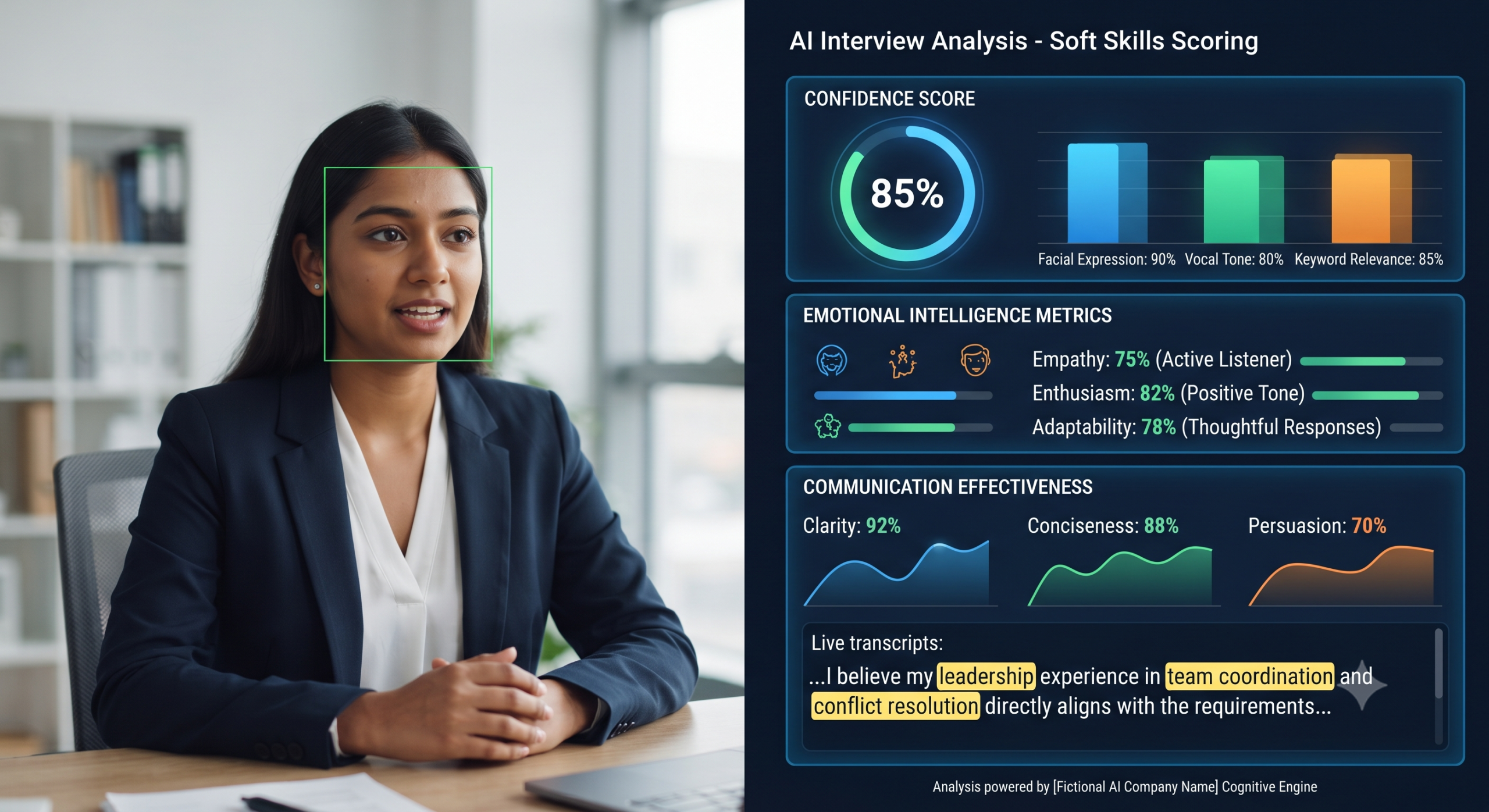
In some hiring processes, AI may help analyze interview responses by identifying job-related competencies such as communication, problem-solving, and leadership based on what candidates say and how they structure their answers. Employers may use these insights as one input alongside recruiter assessments, skills tests, resumes, and interviews. Human decision-making remains an important part of hiring in many organizations.
For candidates, understanding how AI-assisted interview platforms work can reduce uncertainty and improve preparation. Success depends less on trying to “beat the algorithm” and more on communicating clearly, providing relevant examples, and demonstrating genuine professional experience.
Whether you are applying for remote roles or exploring international opportunities through the best job tool, a global job platform, understanding AI-assisted video interviews can help you prepare more effectively and present your strengths with confidence.
H2: Why Companies Use AI in Video Interviews
Organizations receive hundreds or even thousands of applications for a single role.
AI helps recruiters by supporting tasks such as:
- Organizing interview responses.
- Transcribing recorded interviews.
- Highlighting job-related competencies.
- Comparing responses against predefined evaluation criteria.
- Reducing administrative workload.
- Creating a more consistent review process.
Rather than replacing recruiters, AI often helps them review interviews more efficiently so they can spend more time evaluating qualified candidates.
Companies also benefit from faster hiring cycles and improved consistency across large recruitment campaigns.
H2: Which Soft Skills AI May Help Evaluate
Depending on the platform and how an employer configures it, AI may assist in identifying indicators related to workplace competencies based on interview content.
Common areas include:
Communication Skills
Recruiters often look for candidates who:
- Express ideas clearly.
- Organize responses logically.
- Communicate professionally.
- Explain complex situations effectively.
Problem-Solving
Candidates may be evaluated on how they:
- Analyze challenges.
- Make decisions.
- Resolve workplace issues.
- Learn from experience.
Collaboration
Interview responses may demonstrate:
- Teamwork
- Conflict resolution
- Cross-functional cooperation
- Relationship building
Leadership
Employers often look for examples of:
- Initiative
- Accountability
- Decision-making
- Mentoring
- Project ownership
These competencies are usually demonstrated through relevant examples rather than isolated statements.
H2: The Importance of Structured Interview Responses
Well-organized answers make it easier for both recruiters and AI-assisted systems to understand your experience.
One widely used framework is the STAR method:
- Situation
- Task
- Action
- Result
For example:
- Explain the workplace challenge.
- Describe your responsibility.
- Discuss the actions you took.
- Share measurable results.
Structured responses help demonstrate:
- Clear thinking.
- Professional communication.
- Problem-solving ability.
- Business impact.
They also reduce the likelihood of leaving important information out of your answer.
H2: Authenticity Matters More Than Perfect Answers
Some candidates worry that they need to sound highly polished or use specific keywords to perform well in AI-assisted interviews.
In reality, employers are primarily interested in authentic, relevant examples of your work.
Instead of memorizing scripted responses:
- Speak naturally.
- Describe real experiences.
- Explain your decision-making process.
- Quantify achievements whenever possible.
- Focus on lessons learned.
Authentic communication builds credibility with both recruiters and hiring managers.
H2: Prepare for Remote Video Interviews Professionally
Remote interviews require preparation beyond practicing interview questions.
Before your interview:
Check Your Technology
- Test your internet connection.
- Verify microphone quality.
- Position your camera appropriately.
- Update required software.
Create a Professional Environment
- Choose a quiet location.
- Use adequate lighting.
- Remove unnecessary distractions.
- Maintain a professional background.
Practice Speaking Clearly
Focus on:
- Moderate speaking pace.
- Clear pronunciation.
- Thoughtful pauses.
- Confident delivery.
These habits improve communication regardless of whether AI tools are involved.
Candidates applying through the best job tool should expect many international employers to conduct virtual interviews, making remote interview preparation an essential skill.
H2: Understand the Limits of AI Evaluation
Although AI can assist recruitment, it has important limitations.
AI cannot fully evaluate qualities such as:
- Cultural contribution.
- Long-term potential.
- Professional judgment.
- Creativity in complex situations.
- Emotional intelligence in every context.
- Relationship-building ability.
Recruiters and hiring managers continue to play a critical role by reviewing interview responses, evaluating work experience, conducting discussions, and making final hiring decisions.
Understanding these limitations helps candidates focus on presenting their genuine qualifications rather than trying to optimize for technology alone.
H2: Continuously Improve Your Interview Skills
Interview preparation should be viewed as an ongoing professional development activity.
After each interview:
- Reflect on difficult questions.
- Improve weak responses.
- Practice communication regularly.
- Research future employers thoroughly.
- Seek constructive feedback.
- Update achievement examples.
- Stay informed about evolving hiring practices.
You can also use AI-powered practice tools to simulate interviews, organize responses, and receive suggestions for improving clarity while ensuring your final answers remain authentic.
Continuous improvement builds confidence and prepares you for a wide variety of interview formats.
Practical Steps to Prepare for AI-Assisted Video Interviews
Before every interview:
- Review the job description carefully.
- Prepare examples using the STAR method.
- Practice answering common behavioral questions.
- Focus on measurable achievements.
- Speak clearly and naturally.
- Test your interview technology.
- Create a distraction-free environment.
- Research the company’s values and culture.
- Avoid memorized or overly scripted answers.
- Demonstrate collaboration and problem-solving through real experiences.
- Stay calm and maintain professional confidence.
- Review your performance after each interview to identify areas for improvement.
Consistent preparation strengthens your communication skills and helps you perform well in both AI-assisted and traditional interviews.
Conclusion
AI is becoming an increasingly valuable tool in modern recruitment by helping employers organize, review, and evaluate video interviews more efficiently. While AI may assist in identifying communication patterns and job-related competencies, successful hiring decisions continue to depend on meaningful human evaluation, relevant experience, and demonstrated professional capability.
Candidates who prepare thoughtfully, communicate clearly, and share authentic examples of their work are well-positioned to succeed regardless of whether AI is part of the interview process. Focusing on structured responses, measurable achievements, and continuous improvement will always be more effective than attempting to tailor responses solely for technology.
Whether you are interviewing for your first professional role or pursuing global opportunities through the best job tool, a global job platform, understanding how AI supports video interviews can help you approach the hiring process with confidence, professionalism, and a stronger chance of long-term career success.






Comments (1)
[2310]8ee8 Official Login | অ্যাপ ডাউনলোড ও সেরা ক্যাসিনো বোনাস,8ee8-এ যুক্ত হয়ে সেরা লাইভ ক্যাসিনো বোনাস উপভোগ করুন। বিকাশ দিয়ে দ্রুত ডিপোজিট এবং অনলাইন স্লট গেমের নিয়ম জেনে আজই খেলা শুরু করুন। visit: 8ee8