

Introduction
Hiring assessments play a critical role in helping organizations identify qualified candidates, evaluate job-related skills, and make informed recruitment decisions. However, poorly designed assessments can unintentionally introduce bias, leading to inconsistent hiring outcomes, reduced workforce diversity, and missed opportunities to hire top talent.
Bias in hiring does not always stem from intentional discrimination. It often arises from assessment methods that favor certain educational backgrounds, communication styles, cultural experiences, or personal characteristics unrelated to job performance. As workplaces become increasingly global and remote, companies must ensure that every stage of the hiring process is fair, objective, and inclusive.
Well-designed assessments focus on measuring the knowledge, skills, and abilities that genuinely predict success in a role. They also provide every candidate with an equal opportunity to demonstrate their capabilities regardless of background.
Whether organizations recruit locally or source global talent through the best job tool, a global job platform, implementing structured and unbiased assessments leads to stronger hiring decisions, improved employee performance, and a more inclusive workplace.
H2: Identify the Skills That Truly Matter
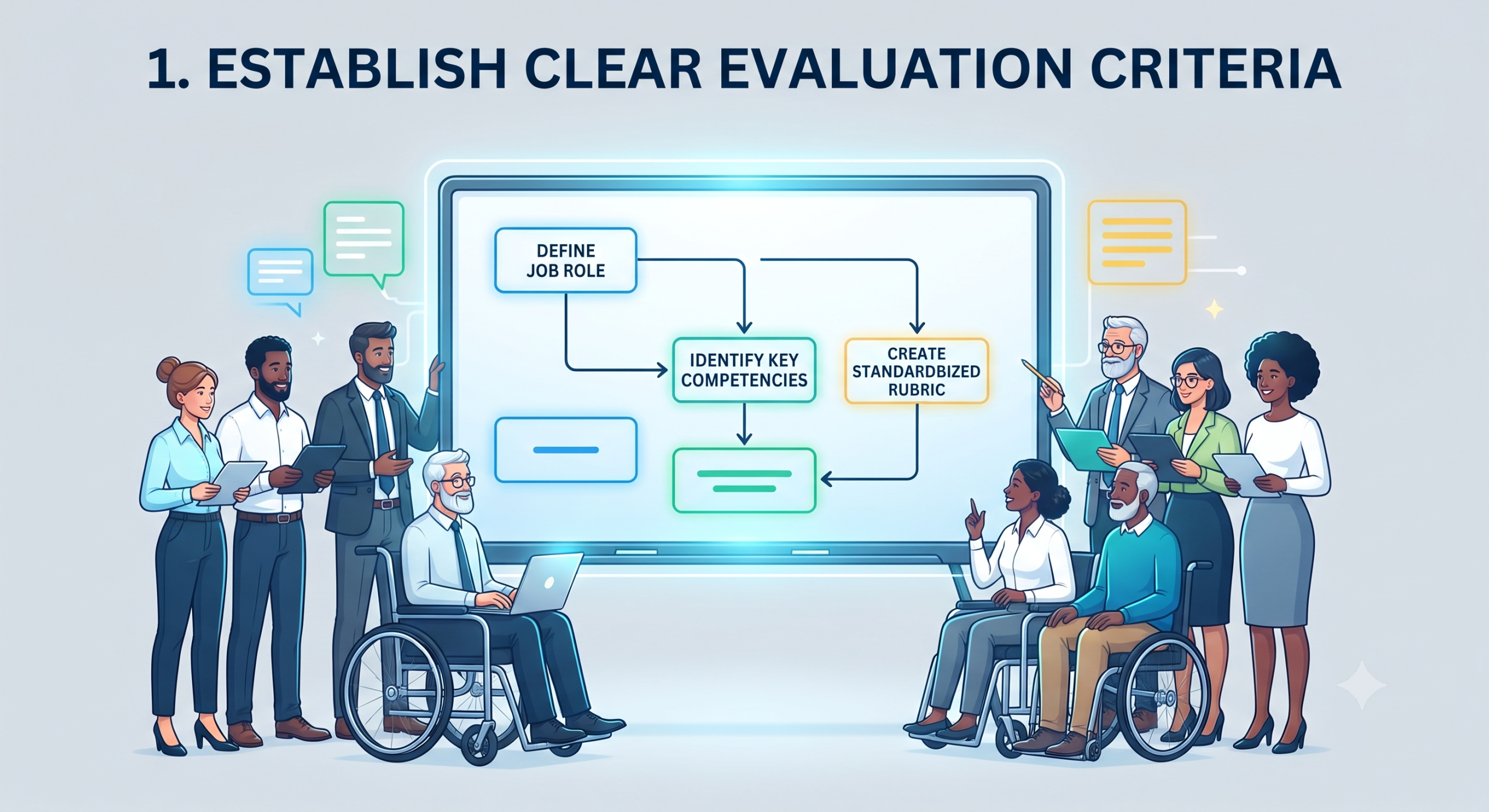
The foundation of a fair assessment is a clear understanding of the competencies required for the role.
Before designing any evaluation, hiring teams should conduct a job analysis to identify:
- Technical skills
- Problem-solving abilities
- Communication skills
- Teamwork capabilities
- Leadership potential
- Decision-making skills
- Role-specific knowledge
Avoid assessing characteristics that are unrelated to actual job performance, such as familiarity with niche cultural references or unnecessary academic credentials.
Every question and exercise should directly connect to the responsibilities of the position.
H2: Use Structured and Standardized Assessments
Consistency is one of the most effective ways to reduce hiring bias.
All candidates applying for the same role should complete the same assessments under similar conditions.
Structured assessments may include:
- Skills-based tests
- Work sample exercises
- Case studies
- Technical challenges
- Situational judgment tests
- Structured interviews
Benefits of standardization include:
- Fair candidate comparisons
- Improved hiring consistency
- Reduced personal bias
- Better documentation
- More objective evaluations
Clearly defined scoring criteria also help interviewers focus on measurable performance rather than personal impressions.
H2: Prioritize Skills Over Background
Traditional hiring often places excessive emphasis on educational institutions, previous employers, or career history.
A more inclusive approach evaluates candidates based on demonstrated ability rather than assumptions.
Examples include:
Work Samples
Ask candidates to complete tasks similar to real job responsibilities.
Practical Simulations
Assess how applicants solve realistic workplace challenges.
Portfolio Reviews
Evaluate completed projects instead of relying solely on resumes.
Technical Demonstrations
Measure practical knowledge using job-related exercises.
Skills-first hiring helps organizations discover talented candidates from diverse educational, geographic, and professional backgrounds.
H2: Design Inclusive Assessment Content
Assessment questions should be accessible and culturally neutral.
Avoid questions that depend on:
- Local idioms
- Cultural references
- Personal experiences unrelated to work
- Socioeconomic background
- Regional knowledge unrelated to the role
Instead:
- Use simple, professional language.
- Provide clear instructions.
- Define technical terminology when necessary.
- Avoid unnecessary complexity.
Inclusive content allows candidates to focus on demonstrating their abilities rather than interpreting confusing questions.
H2: Train Hiring Teams to Evaluate Objectively
Even well-designed assessments can produce biased outcomes if evaluators apply inconsistent standards.
Hiring managers and interviewers should receive training on:
- Unconscious bias
- Structured interviewing
- Consistent scoring
- Inclusive communication
- Evidence-based evaluation
Organizations should encourage interviewers to:
- Score independently.
- Document observations.
- Evaluate responses against predefined criteria.
- Avoid making assumptions based on appearance or background.
Objective evaluation improves both fairness and hiring quality.
H2: Ensure Fair Assessments for Remote Candidates
As remote hiring becomes increasingly common, companies must ensure assessments provide equal opportunities regardless of location.
Inclusive remote assessments should include:
Flexible Scheduling
Offer multiple assessment times across different time zones.
Accessible Technology
Ensure platforms work across devices and internet speeds.
Clear Instructions
Provide detailed guidance before assessments begin.
Reasonable Time Limits
Allow candidates sufficient time to demonstrate their abilities without unnecessary pressure.
Technical Support
Offer assistance if candidates encounter technical issues during assessments.
Organizations recruiting international talent through the best job tool should also consider language accessibility, digital inclusion, and regional connectivity when designing remote hiring processes.
A fair virtual assessment experience improves candidate satisfaction and strengthens employer reputation.
H2: Continuously Measure and Improve Assessment Effectiveness
Bias reduction is an ongoing process rather than a one-time initiative.
Organizations should regularly evaluate whether assessments accurately predict job success while supporting equitable hiring outcomes.
Useful metrics include:
Hiring Outcomes
- Candidate diversity
- Assessment completion rates
- Offer acceptance rates
- Time-to-hire
Performance Indicators
- Employee performance
- Retention rates
- Promotion rates
- Manager satisfaction
Candidate Experience
Collect feedback on:
- Assessment clarity
- Accessibility
- Fairness
- Technical experience
Analyzing these metrics helps organizations identify unintended barriers and refine assessment processes over time.
Continuous improvement ensures hiring practices remain aligned with changing workforce needs and evolving best practices.
Practical Steps for Building Fair Hiring Assessments
Organizations can strengthen assessment quality by following these practical recommendations:
- Conduct a detailed job analysis before designing assessments.
- Evaluate only skills relevant to the position.
- Standardize assessment formats for all candidates.
- Use structured scoring guides.
- Include practical work samples whenever possible.
- Remove culturally biased language.
- Train interviewers on objective evaluation methods.
- Support accessibility for remote and international applicants.
- Gather candidate feedback after assessments.
- Review hiring data regularly to identify potential bias.
- Update assessments as job requirements evolve.
- Measure assessment effectiveness using performance outcomes.
Small improvements throughout the hiring process can significantly increase fairness, consistency, and hiring success.
Conclusion
Effective hiring assessments should identify the most capable candidates while giving every applicant an equal opportunity to demonstrate their potential. Organizations that prioritize fairness, structure, and job-related evaluation methods not only reduce bias but also improve hiring quality, employee performance, and long-term retention.
By focusing on measurable skills, standardizing evaluation processes, training hiring teams, and continuously reviewing assessment outcomes, companies can build recruitment systems that are both inclusive and highly effective. As workplaces become more diverse and geographically distributed, fair assessments play an increasingly important role in attracting exceptional talent.
Whether hiring locally or sourcing professionals worldwide through the best job tool, a global job platform, organizations that invest in objective and inclusive assessments position themselves to build stronger teams, enhance innovation, and create workplaces where talent is recognized based on ability rather than background.






Comments (2)
замена венцов новокузнецк
замена венцов новокузнецк