

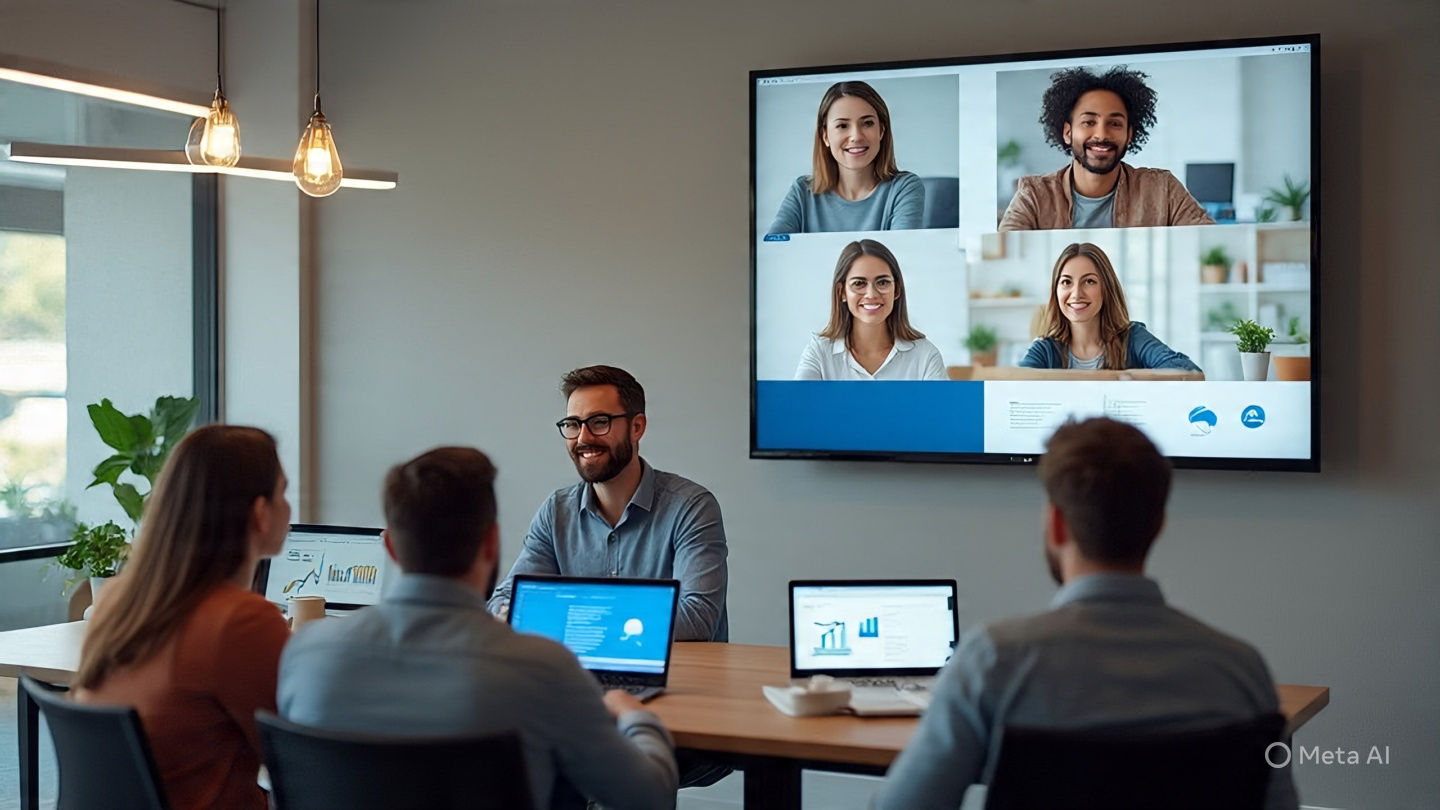
Introduction: Managers Can Lead Fairly in Hybrid Teams
The way we work has changed a lot in recent years. Many companies are now using a hybrid work model, where some employees work from the office and others work from home. This model gives flexibility, but it also creates new challenges for managers.
One of the biggest challenges is fairness.
In a hybrid team, some employees are visible in the office, while others are working remotely. This difference can sometimes lead to unequal treatment, even if the manager does not intend it. For example, office employees may get more attention, more opportunities, or better communication.
That is why it is important for managers to learn how to lead fairly in hybrid teams.
In this article, we will understand simple and practical ways managers can lead fairly in hybrid teams, build trust, and create a balanced work environment for everyone.
How Managers Can Lead Fairly in Hybrid Teams?
1. Understand What Fairness Really Means
Fairness does not always mean treating everyone exactly the same.
Instead, fairness means:
- Giving equal opportunities
- Respecting different work styles
- Supporting employees based on their needs
For example:
- A remote employee may need flexible hours
- An office employee may need quiet space to focus
A good manager understands these differences and supports everyone in the right way.
2. Avoid Proximity Bias
Proximity bias is when managers give more importance to employees who are physically present in the office.
This can happen without realizing it. For example:
- Talking more with office employees
- Giving them better projects
- Considering them more hardworking
This is unfair to remote workers.
How to avoid it:
- Track performance based on results, not visibility
- Include remote employees in all discussions
- Give equal opportunities for growth
Managers must remind themselves:
“Working from home does not mean working less.”
3. Set Clear Expectations for Everyone
In hybrid teams, confusion can easily happen if expectations are not clear.
Managers should:
- Define roles clearly
- Set measurable goals
- Explain deadlines properly
When expectations are clear:
- Employees feel confident
- Work becomes more transparent
- There is less misunderstanding
For example:
Instead of saying “Do your best,” say
“Complete this report by Friday with these 3 points.”
Clear instructions create fairness because everyone knows what is expected.

4. Communicate Consistently to Lead Fairly in Hybrid Teams
Communication is the backbone of hybrid teams.
Sometimes remote employees feel left out because they miss casual office conversations.
Managers should:
- Use tools like video calls, chats, and emails regularly
- Share updates with the whole team, not just office staff
- Avoid making decisions only in office meetings
Simple rule:
If something is discussed in the office, it should also be shared with remote workers.
Consistency in communication builds trust and keeps everyone informed.
5. Give Equal Access to Opportunities
One common problem in hybrid teams is that office employees get more opportunities.
For example:
- Important projects
- Leadership roles
- Client interactions
This happens because they are “more visible.”
To lead fairly:
- Offer opportunities to both remote and office employees
- Rotate responsibilities
- Ask for volunteers instead of selecting based on presence
Managers should focus on skills, not location.
6. Use Technology Smartly
Technology plays a big role in hybrid teams.
Managers should use tools that support fairness, such as:
- Project management tools
- Communication platforms
- Shared documents
Best practices:
- Keep all work updates in shared systems
- Avoid private conversations that exclude others
- Record important meetings
This ensures that:
- Everyone has the same information
- No one feels left out
7. Build a Culture of Trust
Trust is very important in hybrid teams.
Some managers think remote employees are less productive. This leads to:
- Micromanagement
- Frequent checking
- Lack of freedom
This can reduce motivation.
Instead:
- Trust employees to manage their work
- Focus on results, not hours
- Encourage independence
When employees feel trusted, they perform better and feel respected.
8. Schedule Inclusive Meetings
Meetings should be fair for everyone.
In hybrid teams, meetings can become biased toward office employees.
Problems:
- Remote employees cannot hear properly
- They are ignored during discussions
- They cannot participate fully
Solutions:
- Always include a virtual option
- Use video calls for all meetings
- Give everyone a chance to speak
Tip:
Even if some employees are in the office, ask everyone to join the meeting online. This creates equality.
Conclusion: Managers Can Lead Fairly in Hybrid Teams
Hybrid work is the future, but it comes with challenges.
One of the biggest responsibilities of a manager is to ensure fairness in the team.
Fairness does not happen automatically — it requires:
- Awareness
- Effort
- Consistent actions
Managers must avoid bias, communicate clearly, and support all employees equally, whether they work from home or from the office.
When fairness is maintained:
- Employees feel valued
- Trust increases
- Productivity improves
- Teams become stronger
In the end, a fair hybrid team is not just good for employees — it is also good for the success of the organization.






Comments
Be the first to leave a comment.