

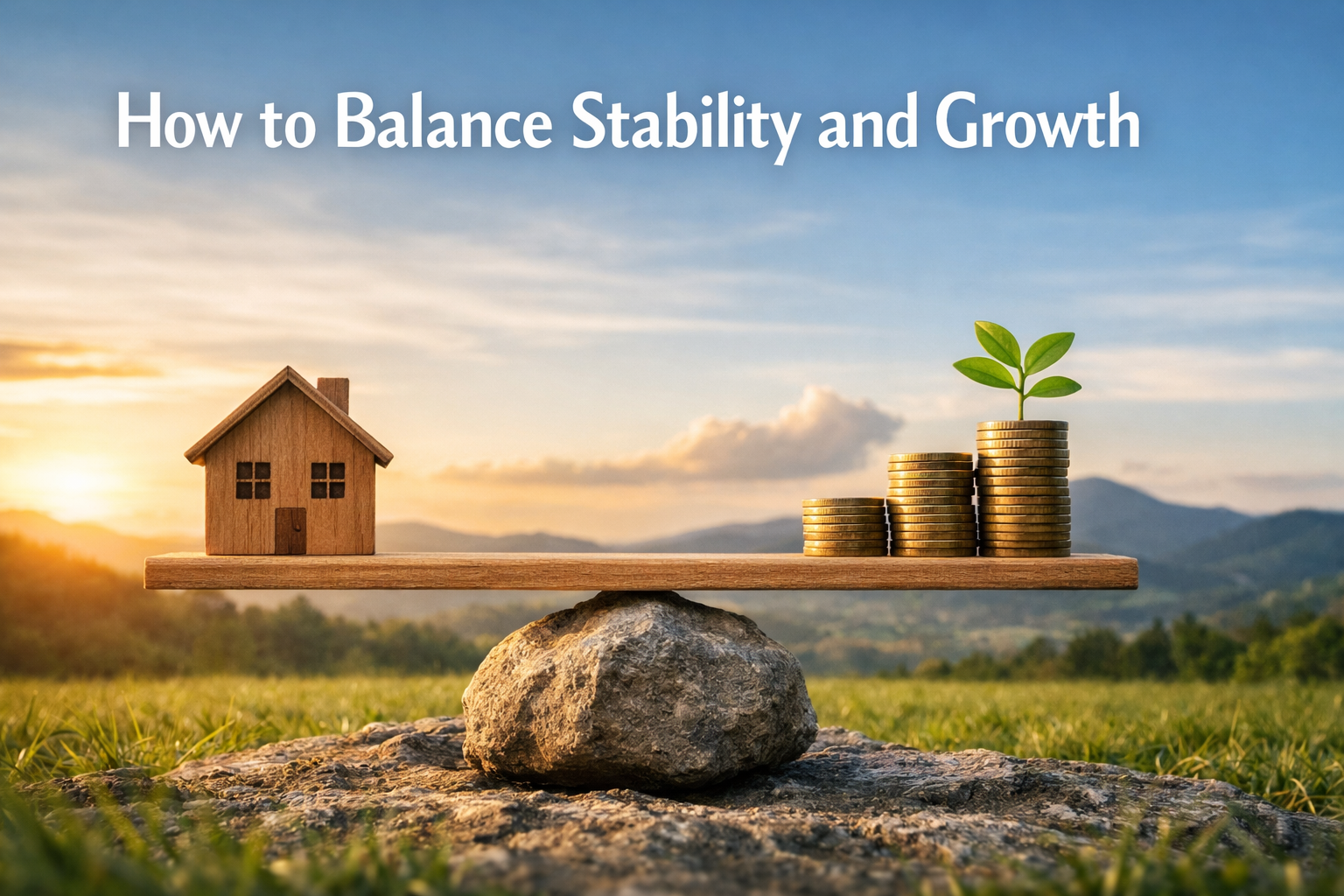
Introduction: Balancing Stability and Growth
Balancing stability and growth is one of the most important challenges in personal life, career, and even business. Stability gives us security, confidence, and peace of mind, while growth pushes us forward, helps us learn new things, and allows us to reach our full potential. If we focus only on stability, life can become boring and stagnant. On the other hand, if we chase growth without stability, we may feel stressed, insecure, and burnt out. The real success lies in finding the right balance between the two.
In today’s fast-changing world, this balance has become even more important. New technologies, job roles, and life expectations are constantly evolving. People want a secure income, good mental health, and strong relationships, but they also want progress, better opportunities, and personal fulfillment. This article will explain what stability and growth mean, why both are important, and how you can balance them in a practical and realistic way.
What Is Stability?
Stability means having a strong and reliable foundation in life. It is the feeling of safety and consistency that helps you stay calm and focused. Stability can appear in many forms. In a career, stability may mean a regular income, a fixed job role, and predictable work hours. In personal life, it can mean emotional security, supportive relationships, and healthy daily routines.
Stability is important because it reduces stress and anxiety. When you know that your basic needs are met, you can think clearly and make better decisions. Stability also builds confidence. When you feel secure, you trust yourself more and handle challenges with a balanced mindset. However, stability should not be confused with comfort alone. Too much comfort without progress can slowly limit your potential.
What Is Growth?
Growth means continuous improvement and progress. It is about learning new skills, gaining new experiences, and moving toward better goals. Growth can be professional, personal, emotional, or financial. In a career, growth may include learning new tools, getting promotions, switching roles, or starting something new. In personal life, growth can mean improving communication skills, building confidence, or developing healthier habits.
Growth keeps life meaningful and exciting. It helps you adapt to change and stay relevant in a competitive world. When you grow, you expand your abilities and open new opportunities. However, growth often comes with uncertainty and risk. It may require stepping out of your comfort zone, facing failures, and dealing with temporary instability.
Why Balancing Stability and Growth Is Important?
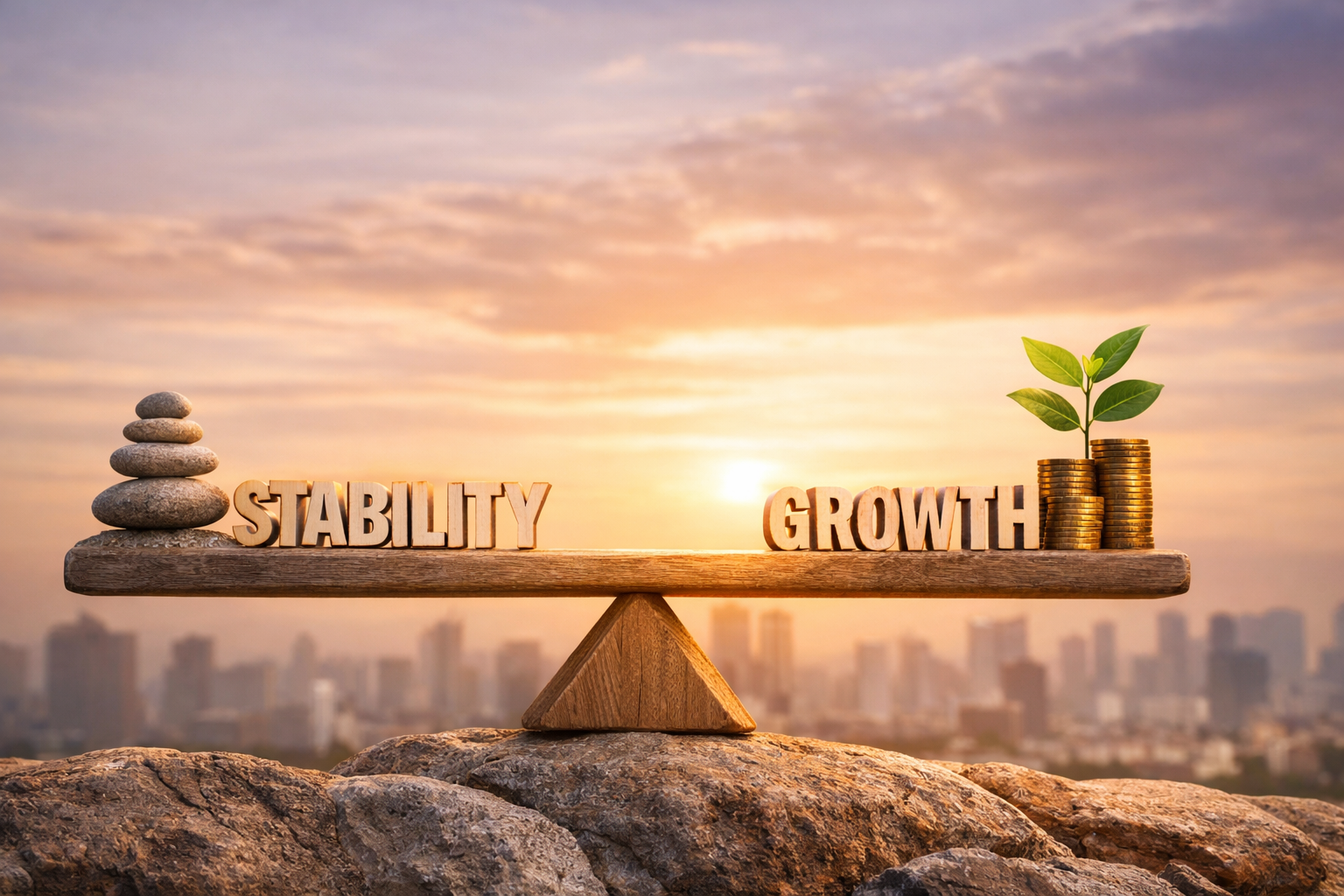
Stability and growth are not opposite forces. In fact, they support each other when balanced correctly. Stability gives you the strength and resources to pursue growth, while growth ensures that stability does not turn into stagnation.
If you focus only on stability, you may feel safe but unfulfilled. Over time, this can lead to boredom, lack of motivation, and regret. On the other hand, if you focus only on growth, you may experience constant pressure, financial stress, and emotional exhaustion. Without a stable base, growth becomes difficult to sustain.
A balanced approach helps you move forward without losing control. It allows you to take calculated risks instead of impulsive decisions. This balance is essential for long-term success and well-being.
Common Challenges in Balancing Stability and Growth
Many people struggle to balance stability and growth because of fear and confusion. Fear of failure often pushes people to stay in safe situations even when they are unhappy. Fear of uncertainty makes them avoid new opportunities. At the same time, social pressure and comparison can force people to chase growth without proper planning.
Another challenge is lack of clarity. Without clear goals, it becomes difficult to decide when to stay stable and when to take risks. Financial responsibilities, family expectations, and limited resources can also make the balance more complex. Understanding these challenges is the first step toward managing them effectively.
How to Balance Stability and Growth in Career?
1. Build a Strong Foundation
Before focusing on growth, make sure your basic needs are secure. This includes a stable income, essential skills, and a reliable work routine. A strong foundation gives you the confidence to explore new opportunities without panic. For example, before switching jobs or freelancing, ensure you have savings or backup plans.
2. Set Clear Short-Term and Long-Term Goals
Clear goals help you balance stability and growth effectively. Short-term goals provide direction and quick motivation, while long-term goals give purpose. For example, you may aim to learn one new skill in three months while planning a career shift in two years. This approach allows growth without sudden instability.
3. Upgrade Skills Without Quitting Stability
You do not always need to leave your current job to grow. You can learn new skills alongside your existing role. Online courses, certifications, and side projects are great ways to grow while maintaining stability. This gradual approach reduces risk and builds confidence.
4. Take Calculated Risks
Growth always involves some level of risk, but it should be calculated. Instead of making sudden decisions, analyze the pros and cons. Ask yourself how much stability you are willing to risk and what you can do to reduce that risk. Planning makes growth less stressful and more sustainable.
How to Balance Stability and Growth in Personal Life?
1. Maintain Healthy Routines
Daily routines create stability in personal life. Regular sleep, exercise, and meals help maintain physical and mental health. When your routine is stable, you have more energy and focus to work on personal growth goals.
2. Embrace Change Slowly
Personal growth does not need to be fast. Small and consistent changes are more effective than sudden transformations. For example, instead of changing your entire lifestyle at once, start with one habit. Slow growth keeps life balanced and manageable.
3. Strengthen Emotional Stability
Emotional stability is the base of personal growth. Practicing self-awareness, mindfulness, and emotional control helps you handle challenges better. When emotions are stable, growth becomes less overwhelming and more intentional.
4. Learn From Experiences
Every experience, whether positive or negative, contributes to growth. Reflect on your experiences and learn from them. This reflection helps you grow emotionally while staying grounded and stable.
Read “How to Design a Sustainable Career Path”.
Conclusion
Balancing stability and growth is not about choosing one over the other. It is about understanding when to hold steady and when to move forward. Stability gives you strength, confidence, and peace, while growth gives you purpose, progress, and fulfillment. Both are essential for a meaningful and successful life.
By building a strong foundation, setting clear goals, upgrading skills gradually, and maintaining a healthy mindset, you can achieve this balance effectively. Remember, balance is not fixed. It changes with time, situations, and priorities. Stay aware, stay flexible, and trust yourself. When stability and growth work together, life becomes both secure and inspiring.
Explore more such blogs with the Best Job Tool.






Comments
Be the first to leave a comment.