

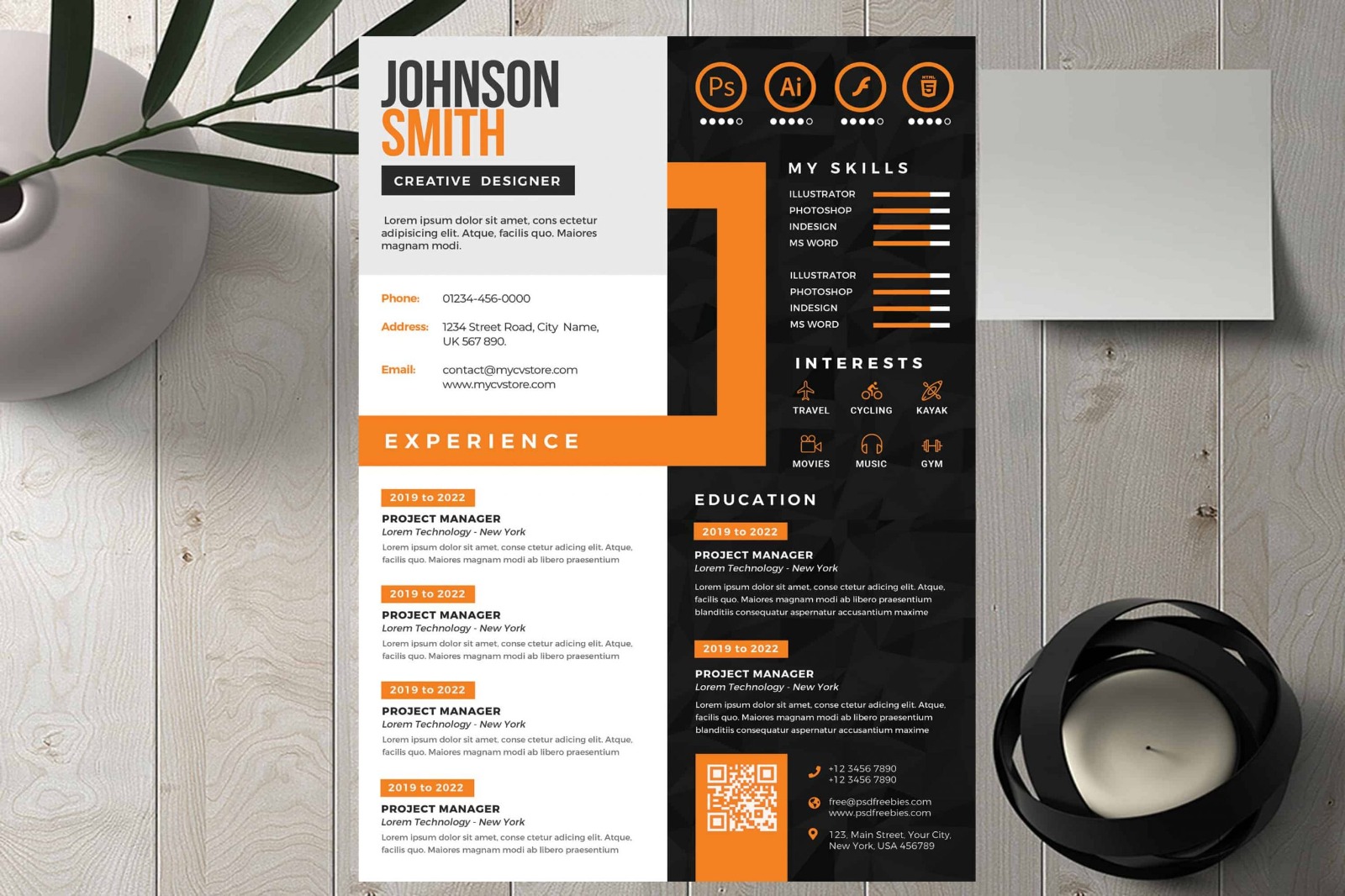
Introduction
In today’s competitive tech industry, having the right skills is not always enough—how you showcase them matters just as much. A traditional CV that lists job titles and responsibilities may not fully reflect your capabilities, especially for freshers, career switchers, or developers with diverse project experience. This is where a project-based CV comes in.
A project-based CV highlights the real-world projects you’ve worked on, the technologies you’ve used, and the impact you’ve created. It allows recruiters to see not just what you know, but what you can do. By focusing on tangible achievements and technical skills, this type of CV can make you stand out in a crowded job market and demonstrate your readiness for tech roles.
What is Project-Based CV?
A project-based CV is a type of resume that focuses primarily on the projects you have completed, rather than just listing your work experience or job titles. It highlights your practical skills, technologies used, and measurable outcomes of your work, giving recruiters a clear picture of what you can actually do.
Unlike traditional CVs that are mostly chronological and emphasize roles and responsibilities, a project-based CV emphasizes achievements, technical contributions, and problem-solving abilities. This approach is especially useful for:
- Freshers or students who may have limited professional experience but have completed relevant projects.
- Career switchers looking to enter the tech field by showcasing transferable skills through projects.
- Freelancers and developers who want to demonstrate their hands-on experience to potential employers.
In short, a project-based CV tells the story of your work in action, showing not just what you know, but what you can deliver.
How to Create a Project-Based CV for Tech Roles?
Creating a project-based CV for tech roles requires careful organization to highlight your skills, projects, and achievements effectively. Here’s a breakdown of the key sections to include and how to structure them:
1. Key Sections to Include in Project-Based CV
a. Header / Personal Information
Start with your basic details so recruiters can contact you easily. Include:
- Name
- Email & Phone Number
- LinkedIn / GitHub / Portfolio Links (these are essential for tech roles)
- Optional: Personal website or blog showcasing your tech projects
Tip: Make sure your GitHub or portfolio is up-to-date with your latest projects.
b. Professional Summary / Objective
A brief 2–3 line summary at the top of your CV can immediately show your value. Focus on your skills, technologies, and type of projects you’ve completed.
Example:
“Full-stack developer with experience in building scalable web applications using React, Node.js, and MongoDB. Passionate about delivering efficient solutions through project-driven development.”
Tip: Tailor this section to the specific tech role you’re applying for.
c. Technical Skills
List your skills in categories for easy readability:
- Programming Languages: Python, JavaScript, Java
- Frameworks & Libraries: React, Node.js, Django
- Databases: MySQL, MongoDB
- Tools & Platforms: Git, Docker, AWS
- Cloud / DevOps: Azure, CI/CD pipelines
Tip: You can also mention your proficiency level (Beginner / Intermediate / Advanced) if it adds clarity.
d. Projects Section (Core of the CV)
This is the most important part of a project-based CV. For each project, include:
- Project Name & Role: e.g., “Lead Developer” or “Contributor”
- Description: A brief explanation of the project’s purpose and outcome
- Technologies Used: List the languages, frameworks, and tools
- Responsibilities / Contributions: What tasks you specifically handled
- Achievements / Impact: Quantify results if possible, e.g., “Reduced page load time by 30%” or “Implemented API handling 500+ requests/sec”
- Link to Project: GitHub, live demo, or portfolio
Tip: Use bullet points for clarity. Focus on outcomes and measurable results, not just tasks.
e. Work Experience
Include this section if it adds value to your projects, such as freelance work or internships.
- Emphasize achievements rather than responsibilities.
- Focus on how the experience complements your project skills.
f. Education & Certifications
List your relevant degrees, online courses, or certifications:
- Bachelor’s or Master’s degree in relevant fields
- Online certifications like AWS, Google Cloud, Data Science, or React
Tip: Certifications related to the role make your CV more credible.
g. Additional Sections (Optional)
You can add these sections to stand out further:
- Open-source contributions – highlight significant code contributions
- Hackathons / Competitions – showcase practical problem-solving
- Awards & Recognitions – demonstrate excellence and recognition
- Soft Skills / Languages – mention if relevant and space permits
2. Writing Style Tips for Project-Based CV
The way you present your projects and skills in a CV is just as important as what you include. Start each description with strong action verbs like “developed,” “implemented,” or “optimized” to clearly show your contributions. Keep your sentences concise and specific, focusing on what you did and the tangible results you achieved.
Whenever possible, quantify your achievements with numbers or metrics, such as “Reduced page load time by 30%” or “Managed 500+ user requests per second with a new API,” as these make your contributions more concrete and impressive. Always tailor your CV to the role you are applying for, highlighting projects and skills that align with the job requirements—for example, emphasizing UI/UX work and React skills for a frontend developer, or ML models and data analysis for a data scientist.
Ensure your CV is easy to read by using bullet points, consistent formatting, and avoiding overly technical jargon that might confuse recruiters. Finally, proofread carefully to eliminate spelling or grammar mistakes, maintain consistent capitalization of technologies, and ensure clarity in your project descriptions.
A well-written CV tells the story of your projects, showing not just what you know, but what you can achieve.
3. Formatting & Design in Project-Based CV
A clean and readable layout is essential for a project-based CV, especially for tech roles. Using a single-column format is preferred because it ensures compatibility with Applicant Tracking Systems (ATS), which many companies use to screen resumes automatically. A clutter-free design also makes it easier for recruiters to quickly scan your skills and projects.
Bold project names and technologies used
Make your project names and technologies used bold to help them stand out. This draws attention to your key accomplishments and the tools you are proficient in, allowing recruiters to identify relevant skills at a glance. Highlighting these details ensures your technical expertise is noticed even during a quick review.
Consistent formatting (dates, bullet points)
Maintain consistent formatting throughout the CV, including dates, headings, and bullet points. Consistency creates a professional appearance and improves readability, helping the recruiter focus on your experience rather than getting distracted by irregular styles or spacing.
Optional: subtle color accents for headings
Optionally, you can add subtle color accents to headings or section dividers to make your CV visually appealing without overwhelming the content. Colors can help differentiate sections like Projects, Skills, and Education, making the overall layout more organized and easy to navigate.
Common Mistakes to Avoid
When creating a project-based CV, avoiding common mistakes can make the difference between getting noticed and being overlooked.
1. Listing projects without context or outcomes: Simply mentioning a project title or saying you “worked on a web application” does not show your actual contribution. Always explain the purpose of the project, your role, and the results achieved to make your experience tangible.
2. Using vague descriptions: Generic terms like “responsible for tasks” or “helped in development” fail to highlight your skills. Focus on specific actions and measurable achievements, such as “developed an API handling 500+ requests per second,” to show real impact.
3. Including too many projects: Overloading your CV with every project you’ve ever done can overwhelm recruiters and dilute focus. Instead, highlight your 3–6 most relevant projects that best match the job you are applying for, showing depth over quantity.
4. Ignoring ATS compatibility: Many tech companies use Applicant Tracking Systems (ATS) to screen resumes before a human even sees them. Using images, fancy graphics, or unconventional layouts can prevent your CV from being read properly, so stick to a simple, single-column, text-based format.
5. Spelling and grammatical errors: Small mistakes can create an unprofessional impression and reduce credibility. Proofread carefully, maintain consistent formatting, and ensure correct capitalization of technologies and proper grammar throughout the CV.
You can also read another guide on CV here.
Conclusion
A well-crafted project-based CV can make a significant difference in landing tech roles, especially for freshers, career switchers, or anyone looking to highlight practical skills. By focusing on projects, technical expertise, and measurable outcomes, you can showcase what you can actually do, rather than just listing job titles.
Remember to maintain a clean, readable format, use strong action verbs, quantify your achievements, and tailor your CV to the role you are applying for. Avoid common mistakes like vague descriptions, too many projects, or spelling errors, and ensure your CV is ATS-friendly. With a clear, project-focused approach, your CV becomes a powerful tool to impress recruiters and secure interviews in today’s competitive tech industry.
Explore more career related blogs with the help of Best Job Tool.






Comments
Be the first to leave a comment.