

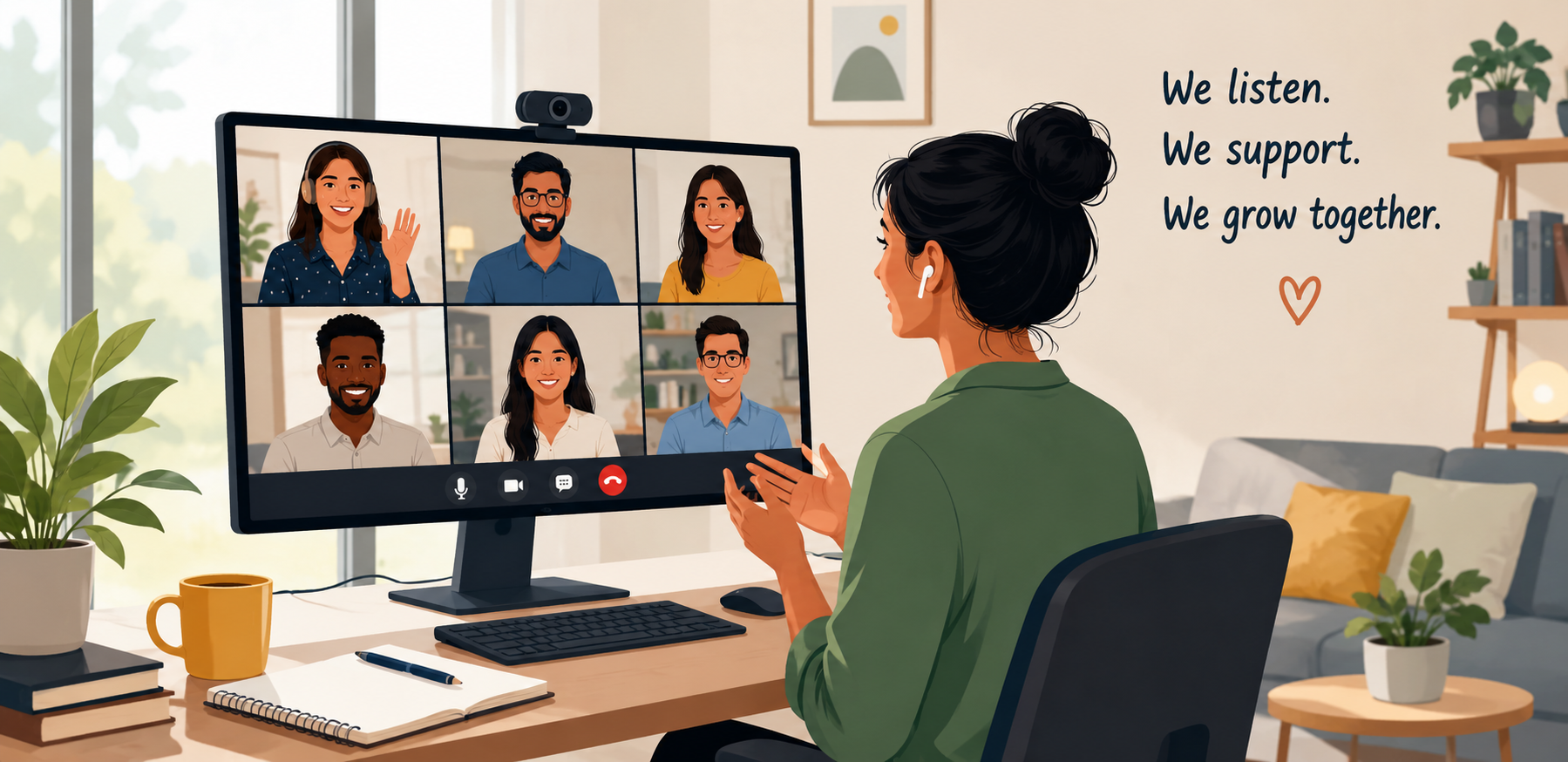
Introduction: Psychological Safety
In today’s time remote jobs have become very popular that is why now many companies provide remote roles as well. But with advantages, remote roles also include many challenges. Remote employees do not visit office, they do work from home or from any other place where they want to.
Because of which colleagues do not meet with each other and they do not get chance to interact with each other and build relationship, which affect psychological safety. But to make work smooth it is very important for managers to create psychological safety. In this article we are going to know the tips to create psychological safety in fully remote teams.
How to Create Psychological Safety in Fully Remote Teams?
1. Make Communication Expectations Clear
First important tip is to make communication expectations clear. When communication expectations are clear then it is very helpful for the employees and manager to communicate in that way.
2. Encourage Employees to Ask Questions
Another way to create psychological safety in fully remote teams is to encourage employees to ask question. In remote jobs employees do not meet in person with each other that is why they are not able to build relationship with each other. That is why they feel uncomfortable and do not ask to share anything openly, whenever they do not understand anything or have any question so they hesitate in asking which create issues afterwards.
That is why if you encourage employees to ask questions then they ask questions openly which will help in smooth work.
3. Treat Mistakes as Learning Opportunities
In many remote jobs, manager is so rude that they scold employees even for smallest mistakes which make employees more nervous. And when employees feel more nervous and uncomfortable so they unintentionally make more mistakes.
That is why to reduce this situation, you need to treat mistakes as learning opportunities. When you treat mistakes as learning opportunities then you will be able to improve yourself and which will reduce your mistakes.
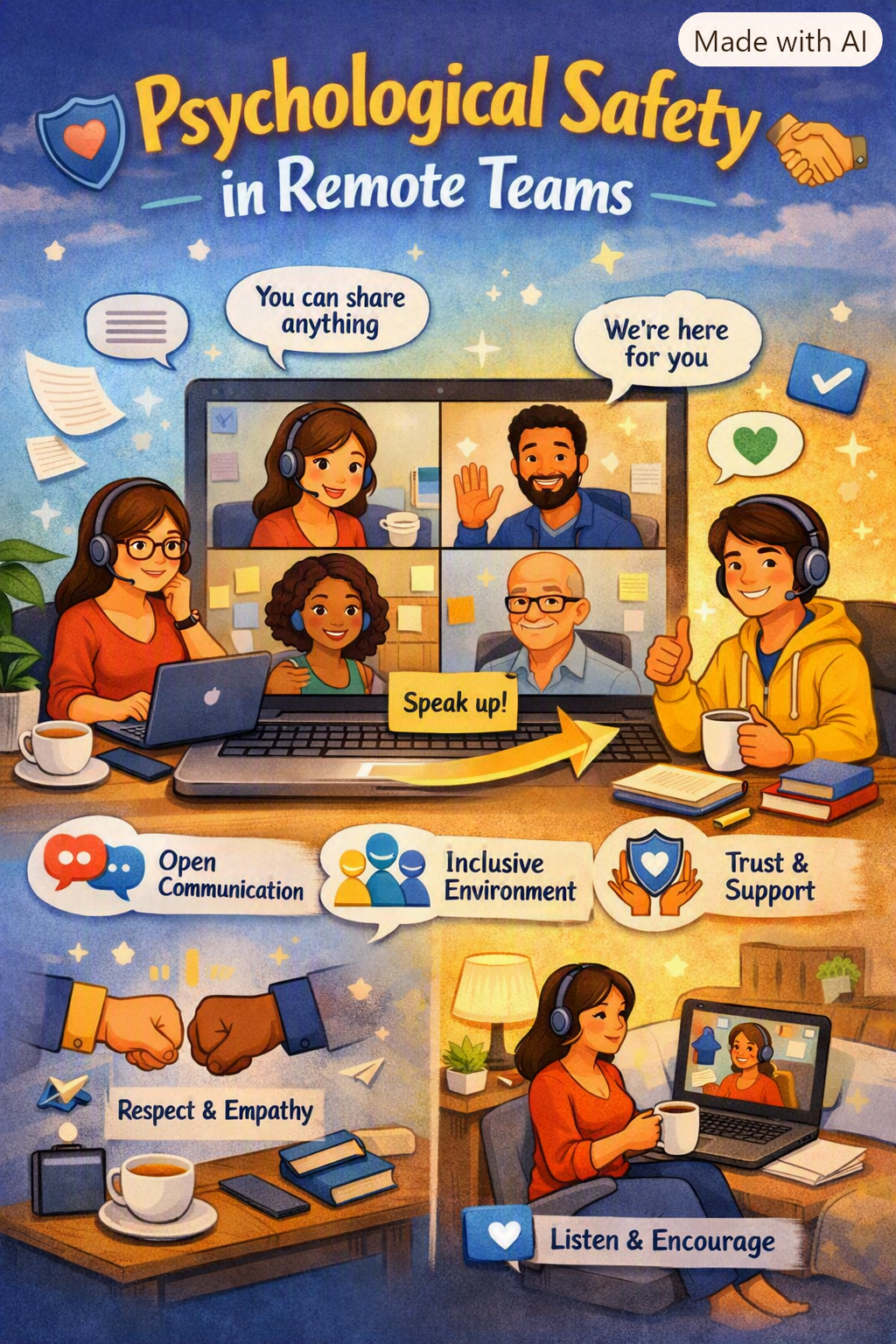
4. Give Everyone a Chance to Speak
To create psychological safety in fully remote teams, it is very important to give everyone a chance to speak. When you will give everyone a chance to speak then everyone get chance to share their ideas, ask questions or suggest anything. And when you give everyone chance to speak then you get better ideas and everyone able to speak confidently which reduces mistakes and improve work performance.
When everyone get chance to speak then they feel respected and important which make employees more attentive which improve their performance.
5. Make it Sage to Disagree
Another way to create psychological safety in fully remote teams is to make it safe to disagree. In many companies employees are not comfortable and in meetings when everyone share ideas or something and any employee is disagree then they are not able to share it. And maybe the employee is right, but they make it silence.
That is why you need to make it safe to disagree so that if any other employee feel disagree to any point they are able to share openly which help company to reduce risk.
Conclusion: Psychological Safety
Creating psychological safety in a fully remote team requires more than regular video meetings or workplace policies. It means creating an environment where employees feel comfortable sharing ideas, asking questions, admitting mistakes, and expressing concerns without fear of embarrassment or punishment.
Managers can build this trust by listening carefully, encouraging open communication, recognizing different perspectives, and treating mistakes as opportunities to learn.
“A strong remote team is built on trust, open communication, and respect. Create an environment where employees feel safe to share ideas, ask questions, and speak up without fear. Build stronger, healthier teams with Best Job Tool.”






Comments (2)
jngovlfhisxmlpirtdpxfltxzzvgpx
mndohmxgtkjedzsqdywvyvdhuhvddf