

Introduction:
In the past, career stability often meant staying in the same industry, company, or role for many years. Experience and loyalty were usually enough to secure long-term success. However, today’s job market is very different. Technology is changing how businesses operate, automation is replacing repetitive tasks, and global competition is creating constant pressure to improve. future-proof
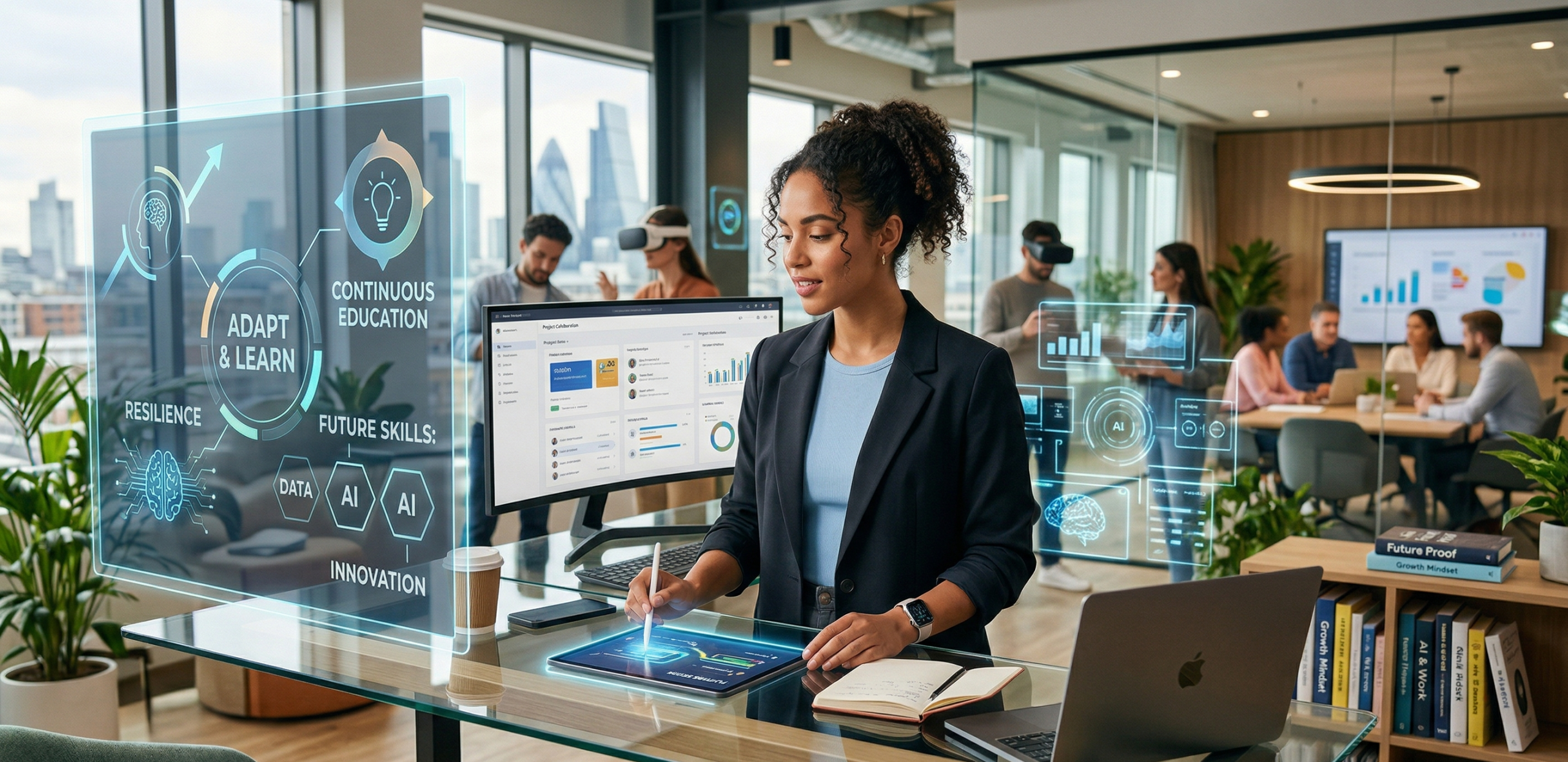
As industries evolve, the people who succeed are not always the most experienced. They are often the ones who are most willing to learn, adapt, and reinvent themselves. This is why future-proofing your career is no longer just about technical skills or qualifications. It starts with having the right mindset.
A future-proof career mindset means staying open to change, developing new abilities, and preparing for opportunities before they become necessary. It is about being proactive rather than reactive.
Understanding What a Future-Proof Career Really Means
Future-proofing your career does not mean predicting the future perfectly. Instead, it means building habits and skills that help you remain valuable no matter how industries change.
A future-proof professional is someone who:
- Learns continuously
- Adapts quickly to new situations
- Builds strong relationships
- Stays informed about market trends
- Embraces technology instead of resisting it
- Remains confident during uncertainty
Rather than depending on one role, one company, or one skill set forever, future-ready professionals know how to evolve with the market.
Why Adaptability Is More Valuable Than Experience Alone
Experience is important, but experience alone is no longer enough. Many industries are changing so quickly that older methods, tools, and strategies become outdated within a few years.
Professionals who are adaptable can move between roles, learn new systems, and stay productive even when circumstances change unexpectedly. This flexibility makes them more valuable to employers.
Adaptability can look like:
- Learning a new software platform when your company updates its systems
- Taking on different responsibilities outside your normal role
- Adjusting to remote or hybrid work environments
- Working with people from different backgrounds and cultures
- Accepting change without becoming discouraged
People who resist change often struggle when industries evolve. On the other hand, people who stay flexible are usually the first to find new opportunities.
Building a Habit of Continuous Learning
One of the best ways to future-proof your career is by making learning part of your routine. Many professionals stop learning once they complete their education, but this approach no longer works in a fast-changing world.
Continuous learning helps you stay competitive and prepared for new challenges. You do not always need to return to college or earn another degree. Small learning habits can have a major impact over time.
You can continue learning by:
- Taking online courses
- Attending webinars and workshops
- Reading books and industry reports
- Following thought leaders in your field
- Learning from mentors and colleagues
- Practicing new skills through side projects
The goal is not to learn everything at once. It is to consistently future-proof build knowledge so you are never left behind.
How to Stay Relevant in a Changing Job Market
The skills that are valuable today may not be as important five years from now. This is why professionals need to regularly evaluate whether their abilities still match market demand.
To stay relevant:
- Review job descriptions in your industry
- Notice which skills appear most often
- Identify gaps in your knowledge
- Learn tools and technologies that employers now expect
- Stay updated on changes in your field
For example, many professionals now need at least basic knowledge of AI tools, automation, remote collaboration, and data analysis. Even if these are not central to your role today, they may become essential in the future-proof.
Remaining relevant means being aware of what is changing and preparing before those changes directly affect your job.
Developing Digital and Communication Skills
Digital skills have become essential across almost every profession. Even industries that were once mostly offline now rely on technology for communication, productivity, and decision-making.
Important digital skills include:
- Using project management tools
- Working with spreadsheets and data
- Understanding video conferencing platforms
- Using collaboration tools like Slack or Teams
- Learning how AI can improve productivity
- Managing digital files and workflows efficiently
At the same time, communication skills remain just as important. Technology can make work faster, but strong communication is still what builds trust, teamwork, and leadership.
Professionals who communicate clearly are often better at:
- Leading teams
- Managing clients
- Resolving conflicts
- Presenting ideas
- Building professional relationships
The combination of strong digital skills and effective communication creates a powerful advantage in any industry.
The Importance of Emotional Intelligence in Modern Careers
Technical knowledge can help you get a job, but emotional intelligence often determines how far you grow.
Emotional intelligence includes:
- Understanding your own emotions
- Managing stress effectively
- Showing empathy toward others
- Handling conflict professionally
- Staying calm under pressure
Workplaces today are more diverse, collaborative, and fast-moving than ever before. Employers value professionals who can work well with others, adapt to pressure, and maintain a positive attitude.
People with strong emotional intelligence often become better leaders because they know how to motivate teams, communicate clearly, and handle difficult situations with maturity.
Why Networking and Personal Branding Matter
Your skills and experience are important, but people also need to know who you are and what you can offer. This is where networking and personal branding become valuable.
Networking helps you:
- Learn about job opportunities
- Gain industry insights
- Meet mentors and collaborators
- Build trust with professionals in your field
At the same time, personal branding helps employers and clients understand your expertise. A strong personal brand can include:
- An updated LinkedIn profile
- A portfolio of your work
- Thoughtful posts or articles about your industry
- Testimonials or recommendations from others
In a competitive market, people who are visible and connected often have more opportunities than those who remain unnoticed.
Can Side Projects and Freelancing Strengthen Your Career?
Many professionals are now exploring side projects, freelance work, and additional income streams. These activities not only provide financial security but also help people build new skills and experience.
Side projects can:
- Improve creativity and confidence
- Expand your professional network
- Help you learn new tools
- Give you practical experience outside your main job
- Prepare you for career changes in the future
Freelancing can also make you more adaptable because it teaches you how to manage clients, deadlines, communication, and problem-solving independently.
Even small side projects can strengthen your resume and show employers that you are proactive.
Overcoming Fear of Change and Uncertainty
One of the biggest barriers to career growth is fear. Many people stay in roles they no longer enjoy because they are afraid of change, failure, or uncertainty.
However, avoiding change rarely leads to long-term security. In most cases, the willingness to step outside your comfort zone creates the greatest opportunities.
You can become more comfortable with change by:
- Taking small risks regularly
- Learning new skills even before you need them
- Viewing challenges as opportunities instead of threats
- Accepting that growth often feels uncomfortable
Confidence grows when you prove to yourself that you can adapt.
Case Studies: Professionals Who Reinvented Their Careers
Many successful professionals have completely changed their careers during difficult times.
A marketing executive may transition into digital strategy after learning analytics and AI tools. A teacher may move into corporate training by using communication and presentation skills. An office administrator may become a project coordinator after learning productivity software and remote management systems.
These examples show that career growth is not always about starting over completely. Often, it is about building on your existing strengths and applying them in new ways.
Conclusion: Building a Mindset That Can Thrive in Any Future
Future-proofing your career mindset is not about avoiding change. It is about preparing for it. The professionals who stay employable are not always the ones with the longest resumes or the highest qualifications. They are usually the ones who continue learning, adapt quickly, and remain open to new opportunities.
By strengthening your digital skills, improving communication, to build relationships, and embracing change, you can create a career that remains strong even in uncertain times. best job tool
The future of work will continue to evolve, but with the right mindset, you can evolve with it and stay valuable no matter what changes come next.





Comments
Be the first to leave a comment.