

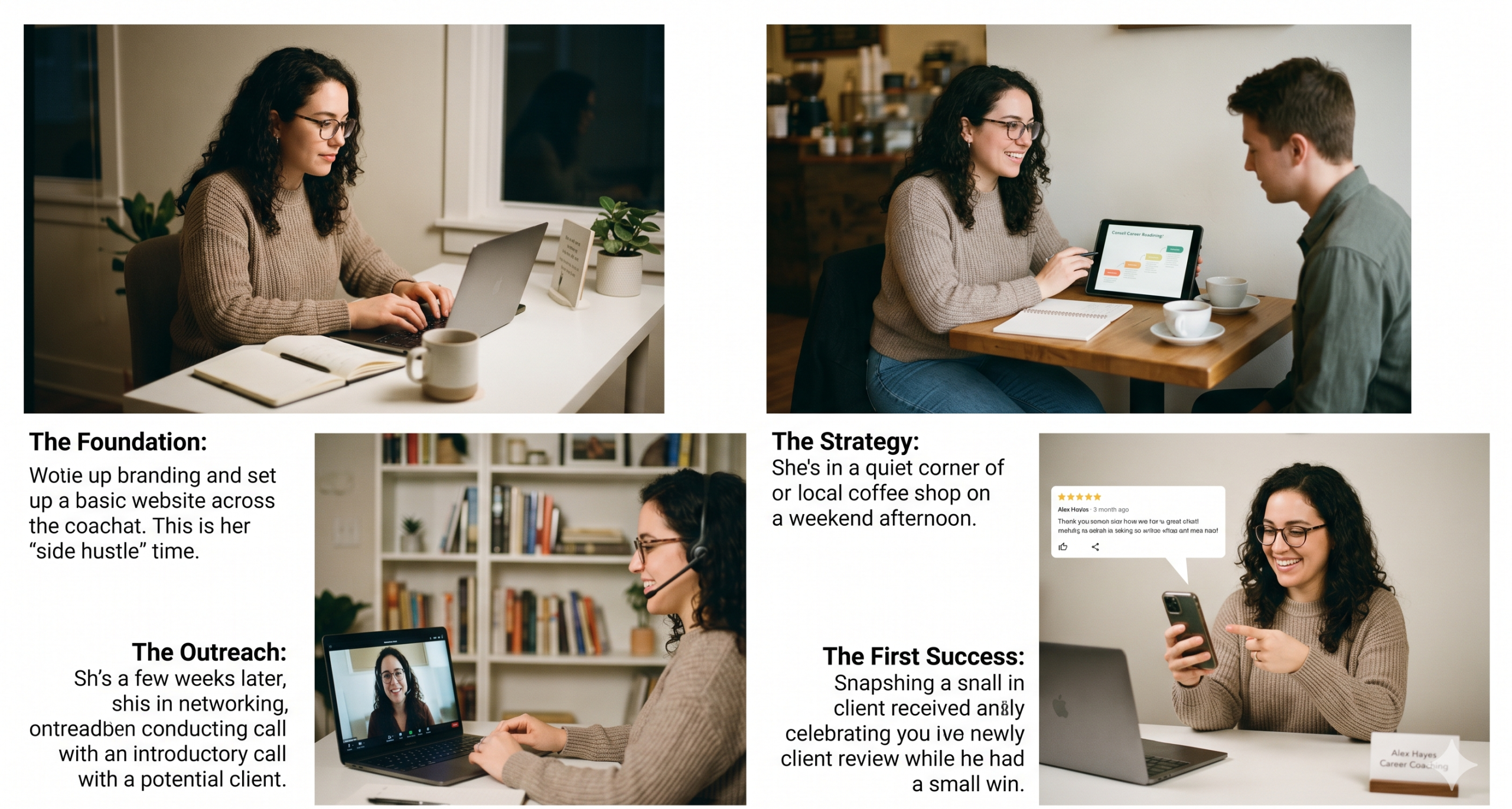
Introduction: Turning Experience into a Scalable Side Practice
Starting a small career coaching practice on the side is a strategic way to convert your professional experience into an additional income stream. As job markets become more competitive, individuals increasingly seek guidance on resumes, interviews, and career transitions. This creates a strong opportunity for professionals who can offer structured, results-driven advice. You do not need a large investment or full-time commitment to begin. With a focused approach, clear positioning, and consistent execution, you can build a credible coaching practice alongside your current role.
Define a Clear Niche and Ideal Client Profile
Clarity in positioning is essential. Instead of offering generic advice, focus on a specific audience where your expertise is strongest.
Identify your niche by focusing on:
- Industry experience (IT, marketing, finance, etc.)
- Career stage (freshers, mid-level, leadership roles)
- Specific problems (job switching, salary growth, career clarity)
- Geographic or remote job focus
A well-defined niche improves credibility and helps attract the right clients faster.
Design a Structured Coaching Offer
Your services must be clear, outcome-focused, and easy to understand. Avoid overcomplicating your offer in the beginning.
Core coaching services can include:
- Resume and LinkedIn profile optimization
- Mock interviews and feedback sessions
- Career roadmap planning
- Job search strategy sessions
Package your services into simple plans (e.g., 1:1 sessions or short-term programs) to make them easy to sell.
Build a Professional Online Presence
A strong online presence builds trust and acts as your primary marketing channel. You do not need a complex website initially, but consistency is important.
Key elements to focus on:
- Optimized LinkedIn profile with clear positioning
- Regular content sharing (career tips, insights)
- Clear service description and pricing (optional initially)
- Testimonials or proof of results
This creates visibility and establishes you as a credible career guide.
Acquire Your First Clients Strategically
The initial stage requires proactive outreach. Your first clients will often come from your existing network if approached correctly.
Effective ways to get started:
- Offer free or low-cost sessions for initial feedback
- Reach out to connections who may benefit
- Share value-driven posts consistently
- Participate in job-related communities
Early traction is important for building confidence and refining your process.
Leverage the Best Job Tool for Better Client Results
Using platforms like the Best Job Tool can significantly enhance your coaching effectiveness. These tools provide insights into hiring trends, in-demand skills, and job opportunities.
How the Best Job Tool helps:
- Improves resume optimization with real data
- Identifies skill gaps for clients
- Supports targeted job search strategies
- Enhances decision-making accuracy
Data-backed coaching increases your credibility and client success rate.
Manage Time and Maintain Consistency
Balancing a full-time job with a side practice requires discipline. Without structure, consistency becomes difficult.
Practical time management strategies:
- Set fixed weekly hours for coaching
- Limit initial client load
- Use scheduling tools for efficiency
- Batch content creation in advance
Consistency is more important than intensity in the early stages.
Scale Your Practice Gradually and Sustainably
Once you gain traction, focus on scaling without compromising quality. Growth should be strategic and manageable.
Ways to scale effectively:
- Introduce group coaching sessions
- Create digital resources (guides, templates)
- Build a personal brand through content
- Collect and showcase client testimonials
Scaling allows you to increase impact while optimizing your time.
Common Mistakes to Avoid When Starting
Many beginners slow their growth by overcomplicating or delaying action. Avoid these common pitfalls to stay on track.
Key mistakes include:
- Waiting for perfection before launching
- Targeting too broad an audience
- Underpricing or overpricing services initially
- Ignoring personal branding
Learning and adapting quickly is essential for long-term success.
Conclusion: Start Small, Build Smart, Grow Consistently
Starting a small career coaching practice on the side is both practical and scalable when approached with clarity and discipline. By focusing on a niche, creating structured offerings, and maintaining consistent effort, you can build a strong foundation. Leveraging tools like the Best Job Tool further strengthens your ability to deliver real value. Over time, this side practice can evolve into a reliable income stream or even a full-time career opportunity.






Comments
Be the first to leave a comment.