

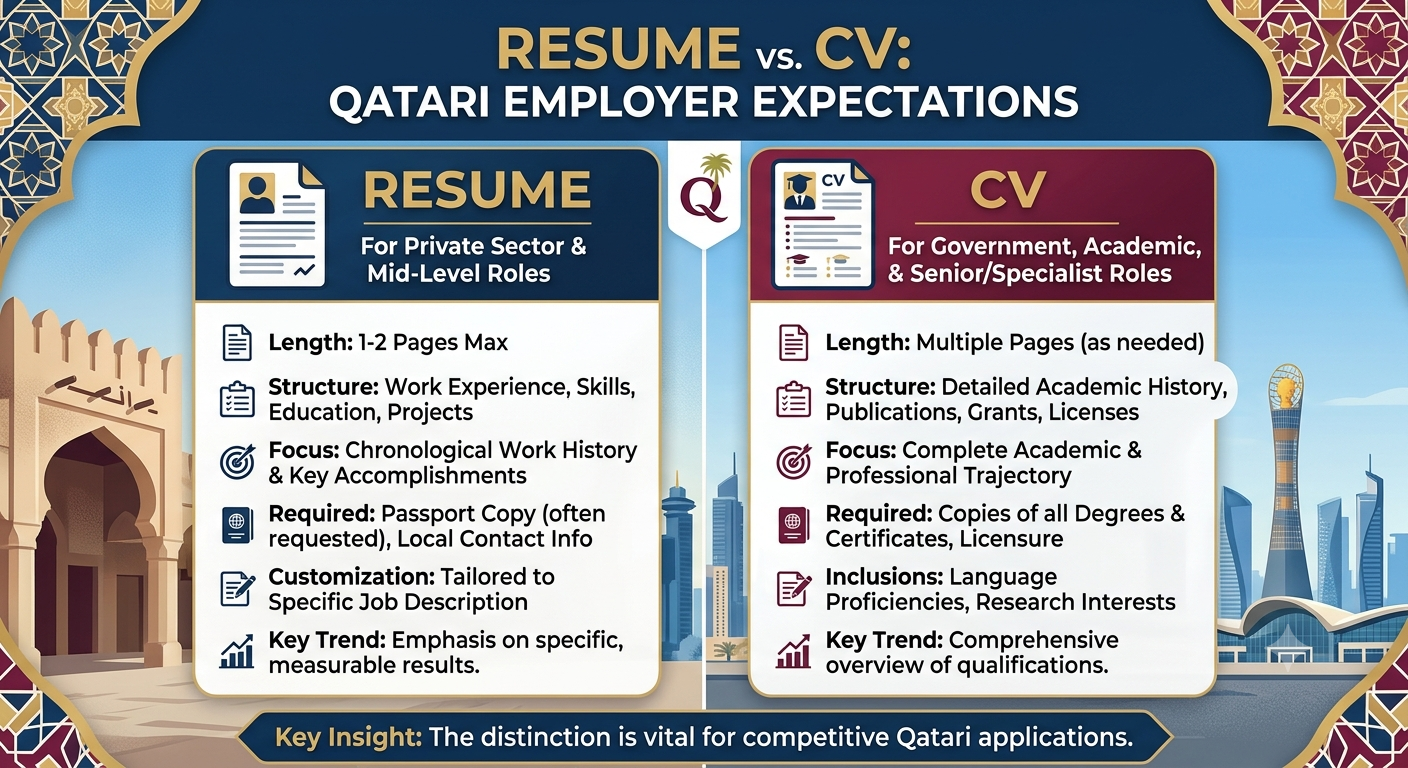
Introduction: Resume vs CV
Ireland has become an increasingly popular destination for those looking to pursue rewarding, well-paid careers in the healthcare sector. With an ageing population, rising demand for medicine and investment in new facilities, healthcare-related jobs in Ireland are available in a variety of fields, for workers at all levels of experience. Understanding the difference between a resume VS CV is critical for overseas applicants looking to land health-related jobs in Ireland as it will help them present their professional background in the best possible light to prospective employers.
For overseas applicants, Ireland can present opportunities to gain valuable experience within a modern healthcare system. Understanding the various roles, average salary figures, recruitment trends and qualifications can give job hunters an idea of what to expect when searching for healthcare-related jobs in Ireland. When applying for healthcare jobs in Ireland, knowing the difference between a resume and a CV is important for overseas applicants to prepare a professional application. The correct document should highlight relevant qualifications, clinical experience, professional registrations and skills according to the employer’s requirements.
The Resume vs CV: What Employers in Qatar Actually Expect?
1. Why Healthcare Jobs in Ireland?
One of the reasons why healthcare jobs in Ireland attract professionals is the country’s demand for qualified medical and support staff. Hospitals, residential care facilities and community healthcare services require skilled workers to provide safe, effective and compassionate care to patients. Careers in the healthcare sector also offer progression, specialist training and the opportunity to gain experience in a variety of areas that relate to emergency medicine, elderly care, mental health, rehabilitation and community nursing.
Additionally, healthcare jobs in Ireland provide a variety of working environments for qualified and experienced workers. One can choose from public-sector healthcare, private hospitals, specialist centres and residential care facilities. Depending on the employer and post, healthcare jobs in Ireland offer permanent, fixed-term or flexible working arrangements.
2. Healthcare Careers in Ireland
There is a variety of healthcare-related careers available in Ireland, spanning multiple disciplines.
Nurses : Registered nurses work in hospitals, clinics, nursing homes and the community, providing care, monitoring patients, administering treatments and supporting them throughout their recovery.
Doctors and medical specialists : General practitioners, hospital doctors, surgeons and specialist physicians are responsible for diagnosing illnesses, developing treatment plans and providing medical care to patients.
Healthcare assistants : Healthcare assistants support patients with day-to-day care, mobility, wellbeing and other practical tasks. These support roles can be a good option for those looking to gain experience in the healthcare sector, although employers usually expect some prior experience or relevant qualifications.
Physiotherapists : Physiotherapists work with patients to help them manage pain, mobility issues and other physical impairments.
Pharmacists : Pharmacists work in community pharmacies, hospitals and other healthcare environments, dispensing medicines and providing advice on their administration.
Radiographers, laboratory professionals and other healthcare specialists : These professionals work in a variety of healthcare settings, supporting the diagnostic and laboratory needs of physicians and other specialists.
In addition to the roles mentioned above, healthcare jobs in Ireland cover occupational therapy, social care, healthcare administration, mental health, medical laboratory science and many other areas.
3. Healthcare Jobs in Ireland – Salary Overview
Salary expectations are an important consideration when comparing healthcare jobs in Ireland. Earnings will vary depending on one’s qualifications, experience, employer, specialisation and level of responsibility. Doctors and senior medical specialists generally earn more than those at the beginning of their careers. Registered nurses, allied health professionals and care workers may earn a structured salary depending on their grade and years of service. Healthcare assistants typically earn less than qualified and experienced clinical professionals, although this will depend on the employer and responsibilities.
Additionally, public healthcare roles tend to offer structured salary scales and additional benefits, while private roles may have different pay scales. Shift allowances, overtime, weekend shift premiums and night work supplements can also impact total earnings.
It is important to research and compare current salary levels and benefits before accepting a healthcare-related job in Ireland . Simultaneously, it is crucial to evaluate net income against additional expenses such as accommodation, transport, insurance and other costs. When comparing healthcare jobs in Ireland , it is important to evaluate the full employment package rather than focusing solely on advertised annual salaries.
4. Healthcare Jobs Vacancies and Recruitment Trends in Ireland
Healthcare roles in Ireland are in demand due to Ireland’s ageing population, rising need for long-term care and an expanding healthcare sector. Vacancies are available across hospital, residential care, rehabilitation, community healthcare and other healthcare settings.
Nursing, elderly care, disability support and selected specialist roles tend to have the most demand, depending on the employer and area of specialisation. Vacancies fluctuate between regions and professional categories, therefore one cannot assume that all healthcare-related roles have the same level of availability.
In addition, the digital healthcare revolution means that electronic health records, telehealth, medical data management and other healthcare technologies are generating new responsibilities and career opportunities. Those searching for healthcare jobs in Ireland should keep an eye on recruitment announcements from the Health Service Executive (HSE), public and private hospitals and reputable recruitment agencies.
5. Healthcare Jobs in Ireland – Eligibility and Qualifications
Eligibility and qualifications for healthcare jobs in Ireland vary depending on the role. Doctors, nurses, pharmacists, physiotherapists and a variety of other healthcare professionals have specific registration requirements before they can begin working in Ireland.
Nurses and midwives must be registered with the Nursing and Midwifery Board of Ireland (NMBI), doctors must meet the requirements of the Irish Medical Council and pharmacists must comply with the Pharmaceutical Society of Ireland’s regulations. Each healthcare sector has its own relevant professional regulatory body.
Overseas healthcare professionals should be prepared to submit academic transcripts, evidence of professional experience, identity documents, proficiency in the English language and other documentation if required to gain recognition of their qualifications. Some overseas professionals may need to complete an adaptation period, undergo assessments or additional training to meet local healthcare standards. Those searching for healthcare jobs in Ireland should confirm eligibility requirements directly with the relevant regulatory body. Meeting an employer’s selection criteria does not guarantee that an applicant will be authorised to work in Ireland.
The Resume vs CV differences are also significant for foreign healthcare professionals, who want to find a job opportunity in Ireland. On the one hand, a CV presents an extended amount of information regarding academic background, work experience, and professional registrations. Meanwhile, a resume includes a brief description of the relevant aspects of a profession and is custom-tailored depending on a specific job position. Therefore, it is essential to follow the guidelines provided by an employer to ensure that the application is taken into consideration.
6. Work Permits for Healthcare Jobs in Ireland
Those considering healthcare jobs in Ireland should understand the requirements for obtaining a work permit before accepting employment. Depending on nationality and personal circumstances, some overseas professionals may need an employment permit or other appropriate immigration permission before beginning work in Ireland .
Certain healthcare occupations may have specific employment-permit eligibility criteria based on the current rules and personal circumstances. Eligibility will depend on the occupation category, salary level, employment contract, employer and other factors. Applicants should refer to official Irish government immigration and employment-permit guidance and ensure that they are eligible for their intended occupation before paying recruitment fees or relocating to Ireland .
7. How to Apply for Healthcare Jobs in Ireland
A well-prepared application can increase one’s chances of being invited for an interview. Begin by compiling an Ireland-style CV that demonstrates one’s healthcare-related qualifications, registrations, experience, skills and accomplishments in detail. Search for vacancies on the HSE recruitment website, hospital sites, job portals and reputable recruitment agencies. It is crucial to thoroughly research each vacancy and tailor the application to the role’s essential criteria.
Prepare supporting documentation, such as certificates, references, registration and language-proficiency certificates, if required. Additionally, it is a good idea to prepare for interviews that will centre on clinical knowledge, communication, teamwork, safeguarding and patient-centred care.When searching for healthcare jobs in Ireland , it is important to ensure that one knows who the employer is and not to pay any fees to unscrupulous recruitment agencies that promise jobs in the healthcare sector.
Prior to applying, candidates should become aware of the differences between Resume vs CV requirements for the healthcare position and select the appropriate one. A good CV can make nurses, doctors, healthcare assistants and allied health professionals stand out from the competition by showcasing their qualifications and work experience relevant to the specific job opening. Additionally, using the proper keywords and headings can make the CV more attractive to the applicants’ potential future employers’ ATS.
8. Challenges and Future Career Prospects for Healthcare Professionals in Ireland
While healthcare careers in Ireland can be incredibly rewarding, it is important to understand the potential challenges. Shift work, emotionally challenging scenarios, high staff turnover in certain environments and Ireland’s high cost of living can impact one’s ability to enjoy day-to-day working life. Likewise, overseas professionals may find that the process of registering for healthcare jobs in Ireland can be time-consuming and that finding affordable, reliable accommodation can be challenging.
However, those considering healthcare jobs in Ireland should keep in mind that a career in healthcare can be incredibly rewarding and offer a variety of specialisation opportunities for qualified candidates. The demand for healthcare professionals is likely to continue growing, although recruitment trends will vary depending on the profession and time of application.
Conclusion: Resume vs CV
Understanding the difference between resume and curriculum vitae (CV) is of utmost importance if you are searching for job opportunities in Qatar. Both documents may be used interchangeably by employers, but it is better to create an appropriate resume or CV according to the specific profession, industry, and employer’s expectations. This way, you will get the best chance to appear attractive and beneficial for any position in Doha by getting your resume or CV properly designed to meet standard requirements. To achieve it, you should always fill out the document according to the specific job description and double-check all the details before submitting your application. In this case, you will certainly get your resume or CV right and beat the competition in Qatar’s competitive job market successfully.
Create a professional, ATS-friendly resume or CV and improve your chances of getting noticed by recruiters. Use the Best Job Tool to explore job opportunities, discover relevant vacancies, and take the next step toward your career goals in Qatar. Whether you are a fresh graduate or an experienced professional, start preparing for your next opportunity today!
Ready to Land Your Dream Job in Qatar? Use the Best Job Tool to explore the latest job opportunities, find suitable vacancies, and take the next step in your career. Create a professional, ATS-friendly resume or CV and stand out to potential employers.





Comments
Be the first to leave a comment.