

Introduction
The first few moments of an interview often decide how the rest of the conversation will unfold. Recruiters form impressions quickly, sometimes within the first minute. That is why learning how to build a strong introduction for interviews is essential for every job seeker.
A strong introduction helps you appear confident, prepared, and focused. It allows recruiters to understand who you are before they dive deeper. More importantly, it sets a positive tone that supports every answer you give afterward.
This guide explains how to build a strong introduction for interviews in a simple and practical way. You will learn what recruiters expect and how to deliver your introduction with confidence.
Why your interview introduction matters more than you think
Interviewers meet many candidates with similar qualifications and experience. However, not every candidate starts the conversation with clarity. Your introduction acts as a mental frame that shapes how recruiters interpret your answers.
When your introduction is clear and confident, recruiters stay engaged. They listen more actively and ask better follow-up questions. As a result, your overall interview performance improves naturally.
On the other hand, a weak introduction creates confusion early. Even strong technical answers may struggle to change that first impression. That is why a strong introduction for interviews works as a powerful advantage.
What recruiters expect to hear in your opening
Recruiters do not expect you to summarize your entire resume. Instead, they want a short and relevant snapshot of your professional identity. They listen for clarity, confidence, and relevance.
They want to understand what you do, where you have worked, and why you are a good fit for the role. At the same time, they want to sense enthusiasm and purpose.
A strong introduction for interviews balances confidence with humility. It sounds intentional without feeling scripted. When done right, it reassures recruiters that you are prepared.
How to structure a strong introduction for interviews
Structure plays a key role in delivering a strong introduction. Without structure, introductions often become long or confusing. With structure, they feel clear and focused.
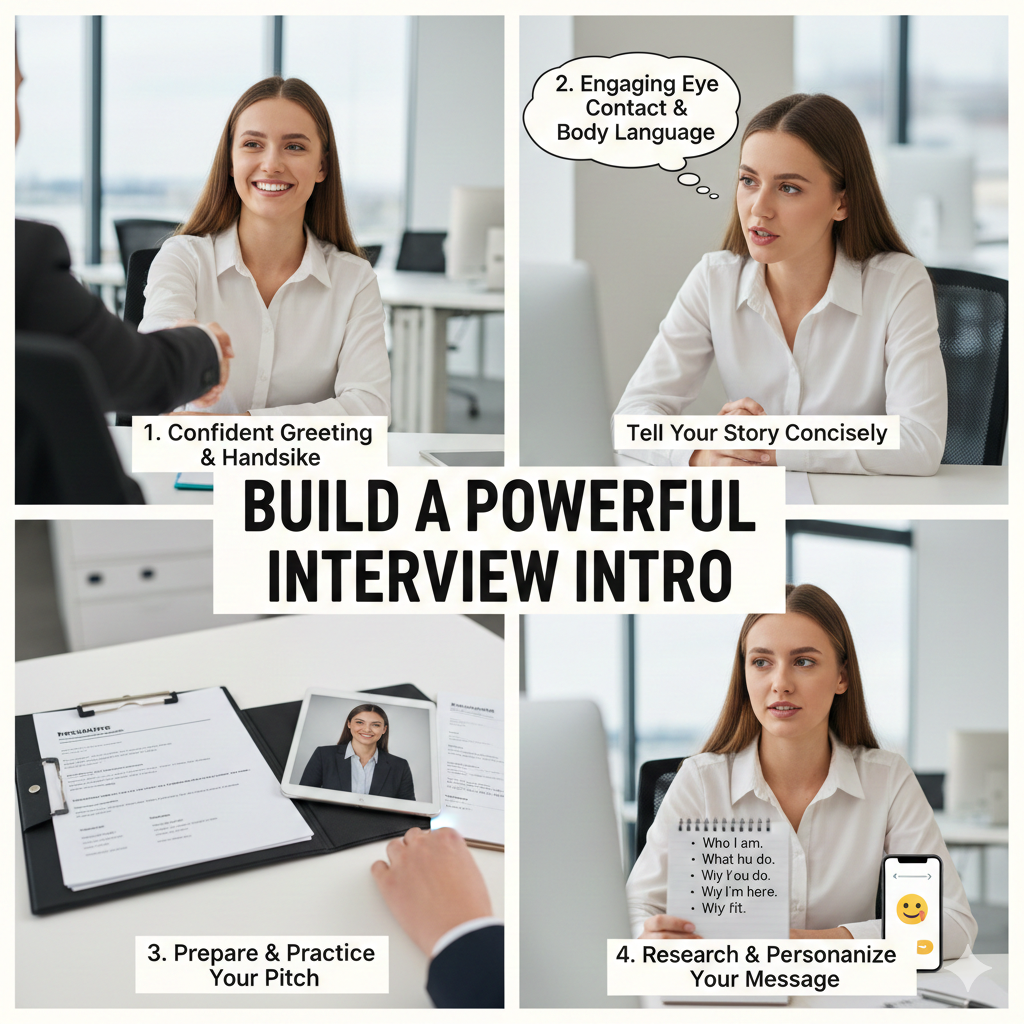
Start by stating your current role or professional identity. Then briefly mention relevant experience or expertise connected to the role. After that, explain why you are interested in the position. Finally, express enthusiasm for the opportunity.
This flow helps recruiters follow your story easily. It also keeps your introduction concise and impactful. Over time, this structure makes delivering a strong introduction for interviews feel natural.
Choosing the right words without sounding rehearsed
Many candidates memorize their introductions word for word. Unfortunately, this often makes them sound robotic. Recruiters can sense when responses feel over-rehearsed.
Instead, focus on key ideas rather than exact sentences. This approach allows your words to flow naturally. Simple language also improves clarity and confidence.
Short sentences work best in interviews. They reduce nervousness and improve delivery. A conversational tone makes your strong introduction for interviews feel authentic and engaging.
Adapting your introduction for different interview formats
Interview formats vary, and your introduction should adjust slightly each time. However, the core message should remain the same.
In virtual interviews, clarity and pacing matter more. Speaking slowly and clearly helps avoid misunderstandings. In panel interviews, brevity becomes important since multiple interviewers are present.
Phone interviews require extra energy because body language is absent. Smiling while speaking improves your tone naturally. Regardless of format, a strong introduction for interviews should always feel confident and focused.
Common mistakes that weaken interview introductions
Many candidates unknowingly weaken their introductions through small mistakes. One common error is starting with personal details that do not relate to the role. This wastes valuable time.
Another mistake involves using filler words that signal nervousness. Speaking too fast or too long also reduces clarity. Sometimes candidates sound unsure about their own achievements, which lowers credibility.
Avoiding these habits strengthens your strong introduction for interviews. Awareness alone can significantly improve first impressions.
Practicing your introduction for natural delivery
Practice transforms preparation into confidence. However, effective practice focuses on delivery, not memorization. Speaking your introduction aloud helps identify weak areas.
Recording yourself can reveal tone and pacing issues. Listening back allows you to refine your delivery. Practicing with different job roles also improves adaptability.
Consistent practice ensures your strong introduction for interviews sounds effortless rather than forced. Over time, confidence becomes automatic.
Turning your introduction into a confidence advantage
A strong introduction does more than introduce you. It builds momentum for the entire interview. When you start confidently, your body language improves and your thoughts stay organized.
Recruiters respond positively to clarity and confidence. As a result, the interview feels more conversational. This makes it easier to explain your skills and experience.
Mastering a strong introduction for interviews creates long-term benefits. It improves networking, presentations, and professional conversations beyond interviews.
Conclusion
The way you start an interview shapes how you are perceived. That is why learning how to build a strong introduction for interviews is a critical career skill.
A clear and confident introduction sets the right tone from the beginning. With the right structure and regular practice, anyone can master it.
As you prepare for new opportunities, use this skill strategically. Pair it with consistent job searching through the best job tool to maximize results.
Find Your Dream Job Today – Explore Endless Career Opportunities and Secure Your Next Role with Best Job Tool.






Comments
Be the first to leave a comment.