

Introduction
The world of work is changing faster than ever, and employers now value skills more than job titles. Because industries evolve quickly, professionals must adapt and upgrade their abilities to stay relevant. That is why learning how to build a skills-first mindset has become essential for long-term career success. A skills-first mindset helps you focus on what you can do, build not just the roles you have held in the past. When you adopt this approach, you shift your attention from job descriptions to actual capabilities.
This shift opens more opportunities and helps you grow with confidence. It also empowers you to make smarter choices about learning and development. As workplaces embrace automation, digital tools, and global collaboration, the need for adaptable talent continues to rise. A skills-first mindset supports continuous progress. You learn to evaluate your strengths, understand gaps, and follow a clear development path. This approach keeps you proactive in a competitive job market and prepares you for future challenges. Overall, building a skills-first mindset helps you stay flexible, curious, and career-ready.
Why a skills-first approach matters
A skills-first approach matters because the job market rewards ability over experience. Companies search for people who can perform well today and grow tomorrow. When you understand how to build a skills-first mindset, you stay confident during workplace changes. This mindset helps you choose opportunities that match your strengths and long-term goals.
Shifting focus from titles to skills
Job titles often limit career growth. A skills-first mindset encourages you to look beyond labels and explore what you can actually do. Instead of focusing on a specific role, you begin focusing on the skills that make you valuable across industries. This view opens more doors and keeps your career flexible.
Understanding your current skillset
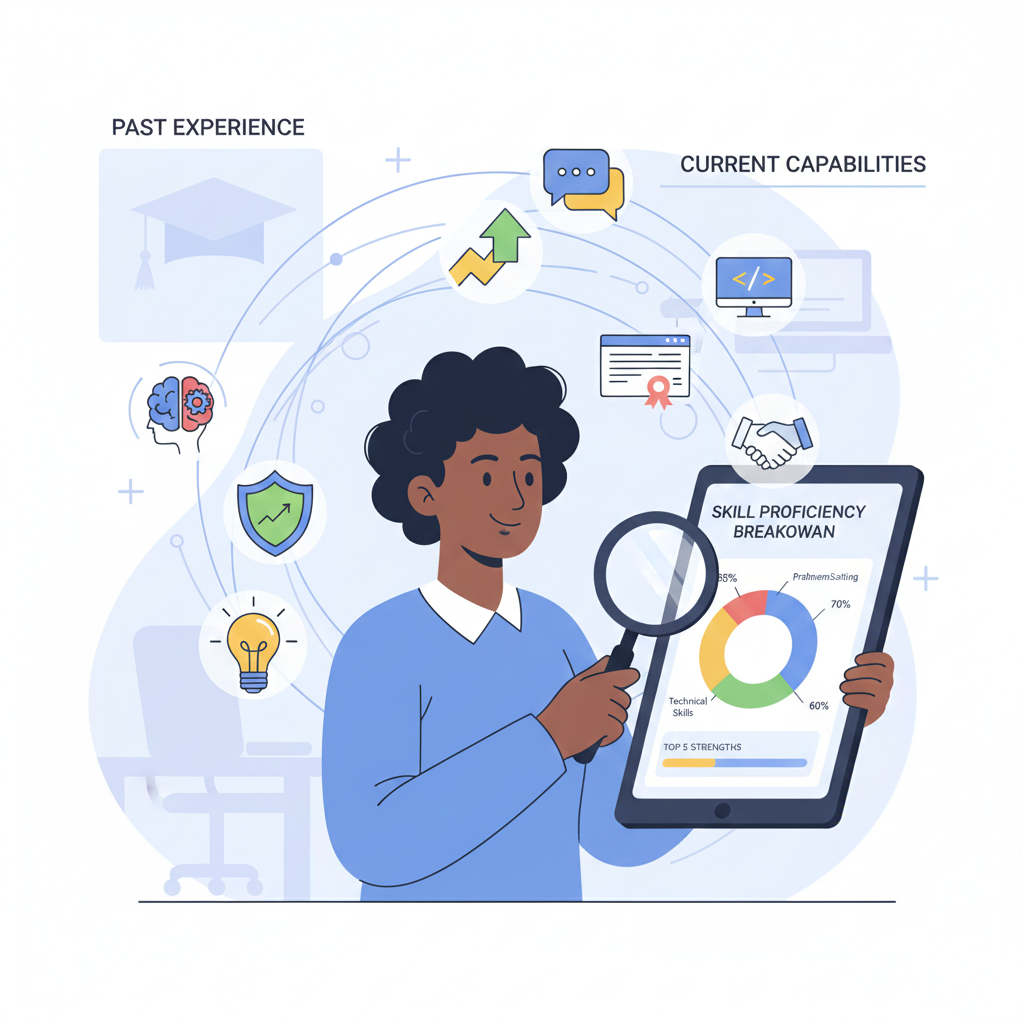
Self-awareness plays a key role in building a skills-first mindset. You must know your strengths and weaknesses before planning your next steps. Create a simple list of your technical and soft skills. Review recent projects, feedback, or achievements build to identify patterns. This clarity helps you set clearer development goals.
Learning through practical experiences
Practical experience strengthens your skills faster than theory. Internships, freelance tasks, volunteer roles, and personal projects give you real-world exposure. These experiences also help you apply what you learn immediately. This hands-on approach builds confidence and accelerates growth, making your skills more relevant.
Using bullet points to identify priority skills
- Choose skills that support your current role and future goals
- Select a mix of technical and human skills
- Focus on skills that appear often in job descriptions
This process helps you create a learning path that feels realistic and achievable.
Developing consistent learning habits
Learning becomes easier when you stay consistent. Short daily sessions often help more than long, irregular ones. Explore micro-learning platforms, quick tutorials, or skill-based challenges. Building a routine strengthens your mindset and keeps you motivated. Consistency also supports faster skill development.
Seeking feedback to strengthen your progress
Feedback helps you understand what works and what needs improvement. Ask build colleagues, mentors, or managers for honest insights. A skills-first mindset grows stronger when you stay open to suggestions. This approach encourages continuous learning and helps you improve with purpose.
Using bullet points to track your growth
- Maintain a skills journal or digital tracker
- Record every new skill you practice or learn
- Review your progress monthly to adjust your goals
Tracking helps you stay buildaccountable and gives you a clear view of your development journey.
Staying curious and adaptable
Curiosity drives a skills-first mindset. It pushes you to explore new tools, trends, and ideas. When you stay curious, you discover opportunities that align with your goals. Adaptability also becomes easier. You learn to evolve with change instead of resisting it. This combination keeps your mindset future-ready.
Conclusion
Building a skills-first mindset helps you stay relevant, confident, and prepared for future opportunities. It encourages continuous growth, deeper self-awareness, and stronger adaptability. When you build understand how to build a skills-first mindset, you gain the power to shape your career instead of waiting for chances.
Use this approach to grow faster and explore better opportunities with the best job tool.






Comments
Be the first to leave a comment.