

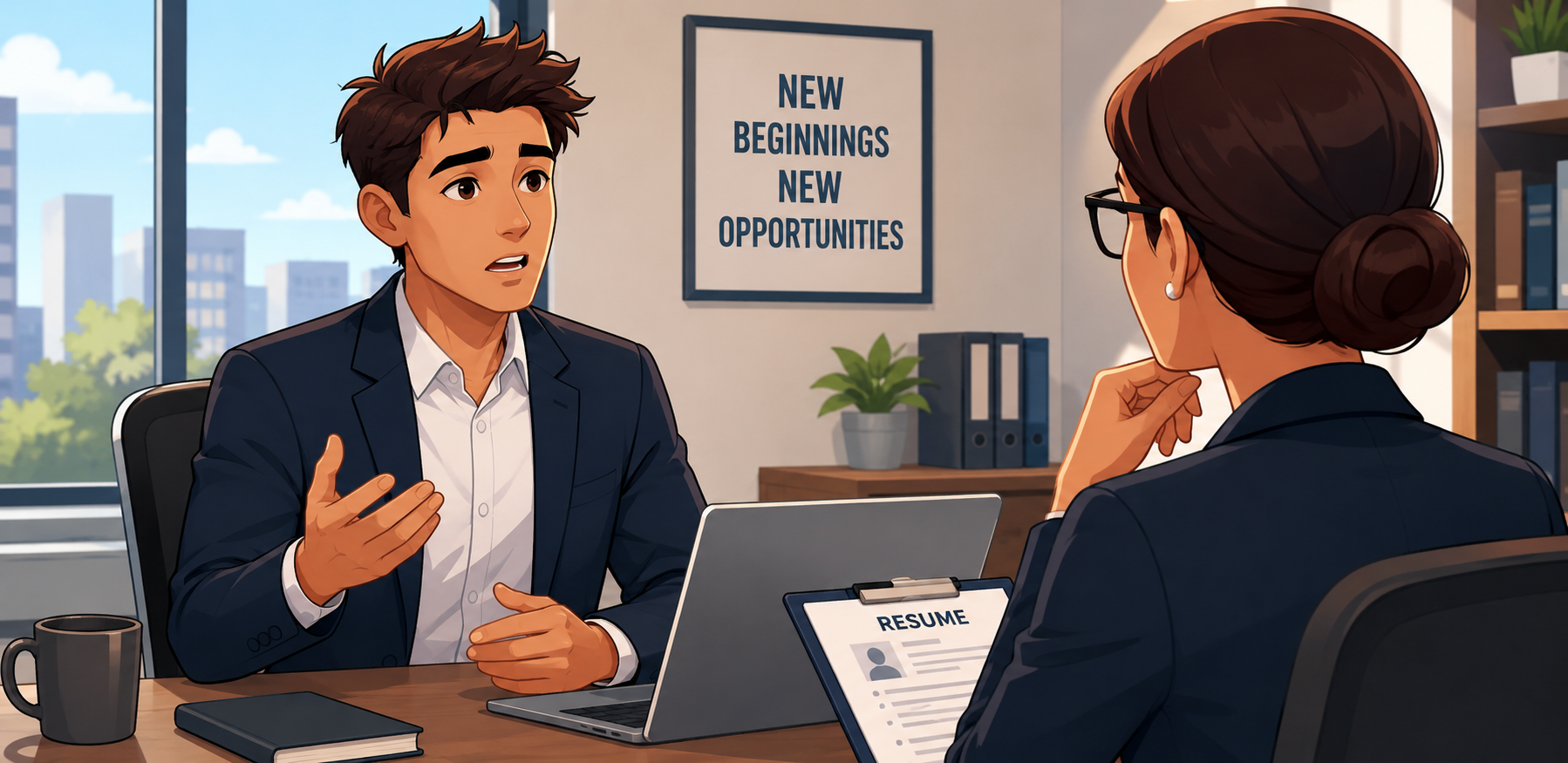
Introduction: Explain Being Fired
Have you ever faced a situation where you were fired from a job, and when you went for another interview, the recruiter asked about the reason? At that moment, you may feel very uncomfortable because you think it will create a negative impression on the recruiter, and you stay confused about how to explain it.
But it is not true that explaining being fired will always create a negative impression. If you explain it in the right way, it does not create a negative impact, and your chances do not get destroyed.
In this article, we will tell you how you can explain being fired without destroying your chances.
How to Explain Being Fired Without Destroying Your Chances?
1. Be Honest but Keep It Short
The first way is to be honest but keep it short because when the recruiter asks why you left your previous job, you should not become emotional and share every small detail. If you explain too many details, the engagement between you and the recruiter can reduce. That is why you should keep your answer short and clear because it shows your professionalism and keeps the conversation balanced.
2. Never Blame Your Previous Employer
One very important thing when explaining being fired to a recruiter, which many people ignore, is that you should not speak negatively or blame your previous employer. This can reduce your hiring chances because the recruiter may think that you can also make negative comments about their company in the future.
That is why, instead of blaming anyone, discuss what good lessons you learned from your mistakes.
3. Take Responsibility Where Needed
Taking responsibility when needed is also one of the best ways to explain being fired. If you were fired because of your own mistakes at your previous job, take responsibility for it and honestly explain the reason, such as a skill gap, communication issue, or performance problem.
Also, do not forget to share that you have worked on yourself to improve those areas so that you can perform better in your next job.
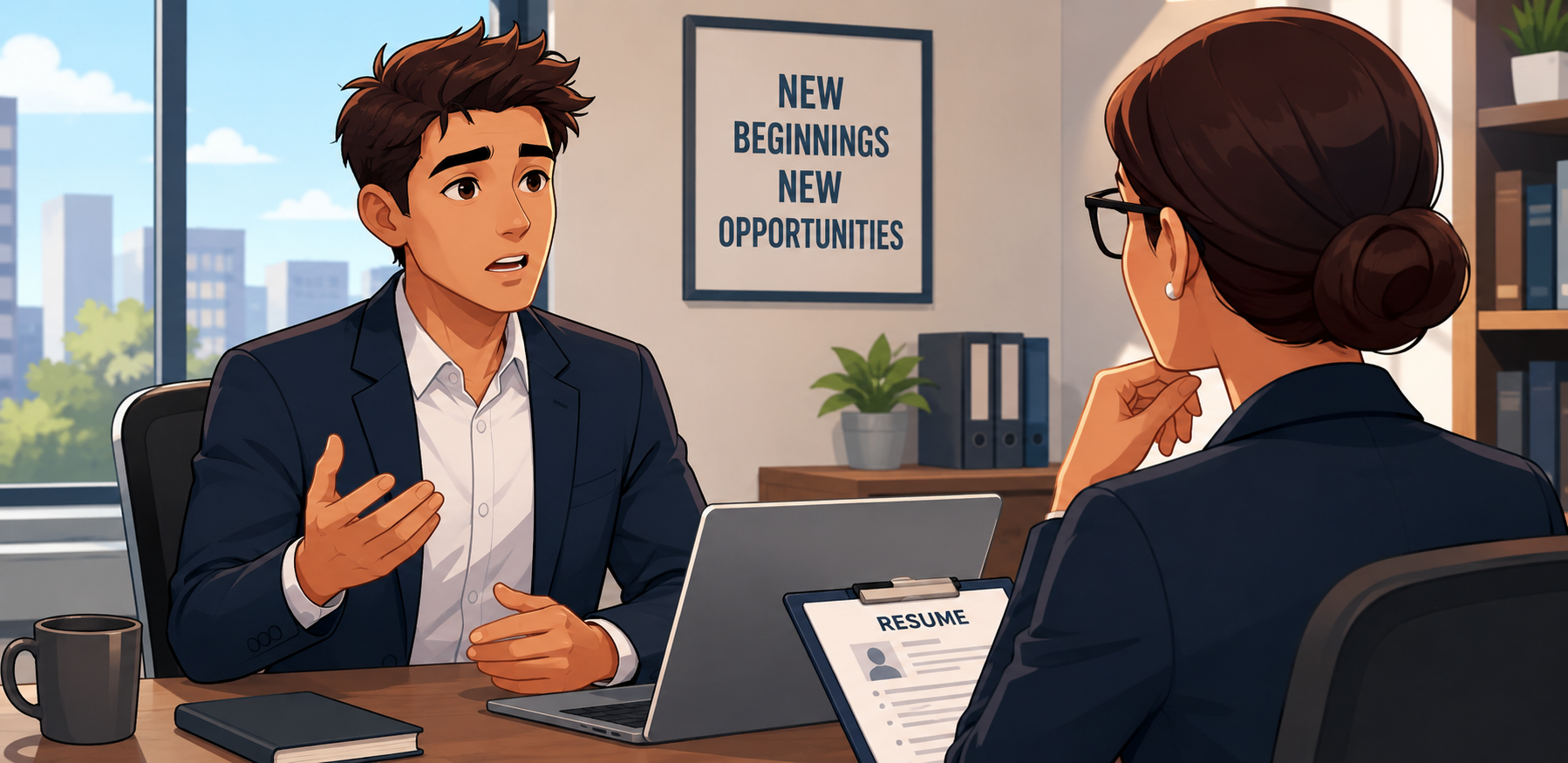
4. Focus on Growth After the Experience
When the recruiter asks about the reason for being fired, you should not only talk about your mistakes. You should also explain what steps you took to improve yourself after leaving the job.
Share things with the recruiter like freelance projects, courses, or certifications that you completed to improve your skills. Because of this, instead of creating a negative impression, it creates a positive impression on the recruiter and increases your hiring chances.
5. Practice Your Answer Before Interviews
An interview is a stage where both beginners and professionals feel nervous, and that is absolutely normal. But the problem starts when you are not able to control your nervousness. It can increase even more when you know that you will have to talk about your previous job with the recruiter.
That is why, to reduce nervousness, practice your answers before the interview so you know how you will present them confidently.
And always remember to stay honest, professional, focused on growth, and emotionally controlled during the interview so that you sound professional.
6. Keep the Conversation Future-Focused
Keep the conversation future-focused. This means that after explaining your previous job to the recruiter, you should also talk about your future goals. Tell the recruiter that you are excited about the new opportunity. This helps the conversation move away from the previous job quickly and shifts the discussion to a more positive direction.
Conclusion: Explain Being Fired
Being fired can feel difficult to explain, but it does not have to ruin your future opportunities. Recruiters usually care less about the mistake itself and more about how you handled the situation afterward. If you stay honest, avoid blaming others, and focus on what you learned, you can still create a positive impression during interviews.
A calm and professional explanation shows maturity, self-awareness, and growth. Instead of staying focused on the past, guide the conversation toward your future goals, improved skills, and excitement for new opportunities. The right mindset and communication can turn a negative experience into proof that you are capable of learning and moving forward.
“Move forward professionally after setbacks and explore new opportunities on Best Job Tool where growth and second chances matter.”






Comments
Be the first to leave a comment.