

Introduction
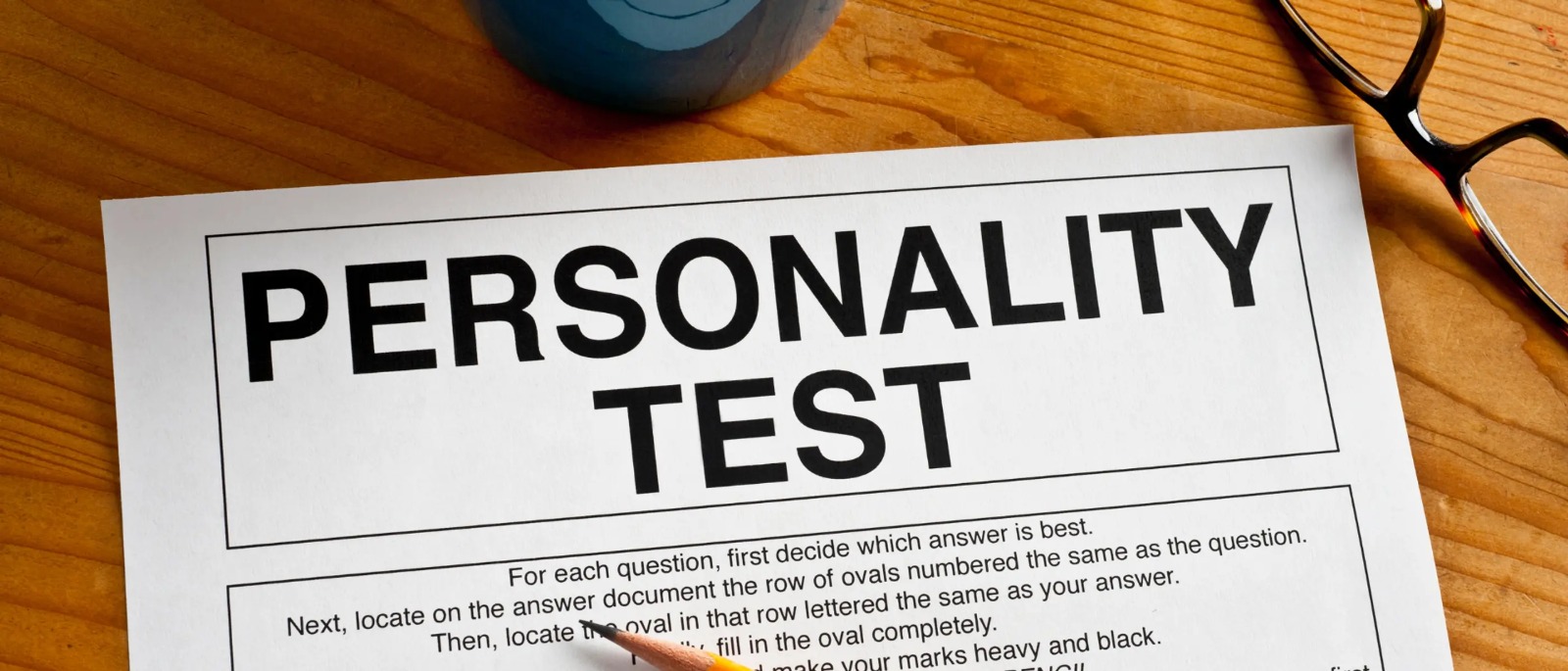
In today’s competitive job market, only having skills and qualifications is not enough. Employers want to hire those candidates who can fit with the culture of their team and organization. That’s why personality assessment tests have become very popular. These tests assess your traits, such as work style, communication skills, decision-making, and stress handling.
You need to understand how the test works and how to present your answers confidently and naturally for personality tests.
What Personality Assessment Tests Are?
Personality assessments are tests that evaluate your personality, behavior, and work style. These tests help employers understand how you will work with a team, handle stress, and make decisions.
These tests generally assess your strengths and weaknesses, communication style, leadership potential, and problem-solving skills. They judge how you handle situations and how you can fit into the culture of an organization.
The purpose of a personality test is to give the employer an idea of your natural behavior and compatibility.
How to Prepare for Personality Assessment Tests?
1. Understanding Personality Assessment Tests
Personality assessment tests are tests that evaluate your personality, behavior, and work style. These tests come in various types, such as the Big Five, MBTI, DISC, or Situational Judgment Tests. Understanding the type of test is important because each type has its own format and questions. If you know in advance which type of test you will be taking, you will feel more confident, stress-free, and able to perform naturally while giving your answers.
2. Know What Traits Are Measured
Personality tests generally measure key traits such as teamwork, leadership, communication skills, stress management, adaptability, and problem-solving. Understanding which traits are important for the company is crucial, so you can align your answers naturally according to those traits. This does not mean presenting yourself as someone you are not; you should highlight your real strengths that are relevant to the job role.
3. Be Honest and Consistent
The most important aspect of personality tests is honesty and consistency. Do not present yourself in a fake way or exaggerate while giving answers. If you give contradictory answers, the test algorithm may mark you as inconsistent. Honest and consistent answers reflect your real personality and show that you are a good fit for the role in the long term.
4. Practice Sample Tests
Practicing for personality assessment tests is very important because it helps you become familiar with their structure and question types. Many free personality test simulators are available online, which give you the experience of a real test. The benefits of these practice tests include understanding how questions are asked and how to select answers effectively. If the test is timed, practice also helps you improve time management.
Additionally, your confidence level increases, and you feel more relaxed and focused during the actual test. For example, if the test includes scenarios related to teamwork or leadership, practicing beforehand can help you understand the best approach to select.
5. Reflect on Your Strengths and Weaknesses
Self-awareness, which means understanding your strengths and weaknesses, is very important for personality tests. You need to reflect on your working style, decision-making process, communication skills, and interpersonal behavior. When you know yourself well, you can answer naturally and confidently. This reflection also helps you remain honest and consistent.
For example, if you consider yourself strong in problem-solving, you can select scenarios in the test where you can propose solutions. By understanding your weaknesses, you can make your answers realistic and accurate.
6. Stay Calm and Focused During the Test
During the test, staying calm and focused is crucial. Read questions carefully and avoid overthinking. Rushing can lead to confusion or mistakes. Deep breathing or taking a short break can help keep your mind calm. If the test is timed, manage your time effectively by first completing the easy questions and leaving a little extra time for the difficult ones.
By staying calm and focused, you can show your natural behavior accurately, which is the best approach for personality assessments. It also signals to the employer that you can remain composed and logical even in stressful situations.
You can also read “Why many candidates fail technical tests and how to improve”.
Conclusion
Personality assessment tests are not just a way for employers to evaluate candidates—they are also an opportunity for self-reflection and personal growth. By understanding the test format, knowing what traits are measured, being honest, practicing sample tests, reflecting on your strengths and weaknesses, and staying calm during the test, you can perform confidently and authentically.
Proper preparation helps reduce stress, improve focus, and present your natural personality in the best possible way. Remember, the goal is not to give “perfect” answers, but to showcase who you are and how you can contribute effectively to the role and organization.
You can read more such blogs here.






Comments
Be the first to leave a comment.