

Introduction
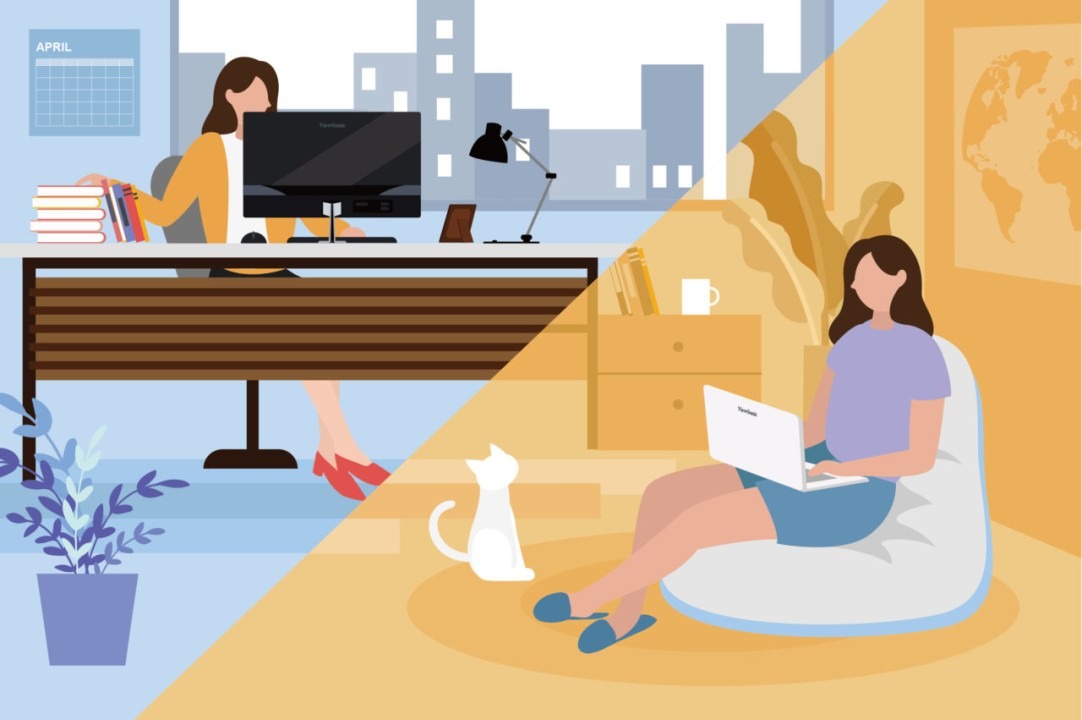
Work from home has given us flexibility, comfort, and a time-saving routine, but many companies are again adopting a work-from-office culture. After remote work, going to an office feels like a big challenge because a candidate has to commute daily, wake up early in the morning, fix a schedule, and handle face-to-face interactions. This work-from-office transition carries excitement as well as stress and confusion.
The work-from-office transition is not just a change of location; instead, it is also a shift in mindset, routine, and work style. If we prepare mentally, physically, and professionally, then this change can be smooth and manageable.
In this article, we are going to understand how to prepare for the work-from-office transition and how to handle this phase positively.
Understanding the Work-From-Office Transition
The meaning of work from office is not only going to the office again; it means a change in the entire work lifestyle. When we shift from work from home to office, routines, environment, and expectations all change. After getting used to working from home, fixed office timings, daily commuting, and constant social interaction can feel overwhelming.
In an office environment, collaboration is more structured, meetings are face to face, physical presence with the team is expected, and performance is noticed in different ways. For people who have done remote jobs for a long time, this adjustment can be mentally and emotionally challenging.
Understanding this transition is important because when we accept that change is natural, we are able to adapt more easily. The work-from-office transition is a learning phase where patience, flexibility, and a positive mindset are most important. If we are prepared, this shift can become a growth opportunity instead of a source of stress.
How to Prepare for Work-From-Office Transition?
1. Resetting Your Daily Routine
During the work-from-home period, we built a habit of a flexible routine, but resetting the routine is very important for the office transition. Firstly, you need to fix your sleep schedule so that early mornings do not feel stressful. Plan your day while considering commute time.
Your morning routine should be simple and organized. Prepare your clothes, bag, and essentials the night before. Planning personal time after office hours is also important to maintain work–life balance. When your routine is structured, the office transition becomes smooth naturally.
2. Preparing Yourself Mentally and Emotionally
The work-from-office transition is not just a physical shift; it is also a mental and emotional adjustment. Feeling anxiety, irritation, or resistance is normal, especially when you are coming out of your comfort zone. That is why, first, you need to accept the change.
Developing a positive mindset and realistic expectations is very important. Everything will not look perfect from the first day, and that is absolutely normal. Give yourself time, keep patience, and appreciate small achievements. This will help reduce stress and build confidence through emotional preparation.
3. Updating Your Professional Skills
Refreshing some professional skills for the office environment is also important. Communication skills matter because you need more face-to-face interaction. Focus on clear speaking, active listening, and professional body language.
Team collaboration, meeting etiquette, and time management skills are also helpful to increase visibility in the office. Professionalism and attitude are most important. When you update your skills, the office transition becomes an opportunity for career growth.
4. Managing Commute and Physical Energy
Commute is a bigger challenge in the work-from-office transition. Daily travel time and traffic can affect your physical energy; that is why commute planning is very important. Identifying the best travel route and timing according to your office hours can reduce stress.
Proper sleep, hydration, and light physical activity are important to maintain physical energy during office hours. Taking small breaks, short walks, and focusing on posture can save you from fatigue. When you manage your energy well, office days become more productive and manageable.
5. Rebuilding Workplace Relationships
After working from home, going back to the office can make you feel awkward with colleagues. Building face-to-face interaction can take time; that is why reconnecting slowly is the best approach. Simple conversations, team discussions, and small interactions help build strong relationships.
Staying approachable and cooperative while maintaining professional boundaries is important. Office relationships are based on trust and communication, and when you listen actively, teamwork improves naturally. Strong workplace relationships can make the office transition easier.
6. Organizing Your Workspace
The office workplace has a direct impact on your productivity and focus. Keeping your desk clean, organized, and comfortable makes work easier. Keep only important items in your workspace to reduce distractions.
Personal touches like a notebook, planner, or water bottle can make your workspace functional and positive. Focusing on chair height, screen level, and lighting is important for physical comfort. When your workspace is well organized, adapting to the office environment becomes smoother.
7. Work-Life Balance in Office Setup
Maintaining work–life balance in an office setup can be slightly challenging, especially when you are used to the flexibility of work from home. With fixed office hours and commuting, you may feel you have less personal time; that is why setting boundaries is very important.
After office hours, avoid unnecessary work messages or calls. Reserve your personal time for family, hobbies, and rest. Try to complete your office work during office hours so that work pressure does not carry over to home. A balanced routine saves you from burnout and supports long-term productivity.
Read “Work-Life Balance in the Modern Workforce”.
8. Health and Well-Being Considerations
Ignoring health and well-being during the work-from-office transition is a common mistake. Daily commuting, long sitting hours, and increased workload can impact both physical and mental health; that is why making self-care a priority is important.
Follow healthy eating habits, maintain proper water intake, and include regular movement in your day. Taking short breaks and doing light stretching during office hours helps you feel relaxed. For mental well-being, practice stress-management techniques such as deep breathing or mindfulness. When you focus on your health, the office transition becomes more sustainable and positive.
Common Mistakes to Avoid During Work-From-Office Transition
1. Constantly Comparing Office Work with Work-From-Home
Comparing office work and work from home repeatedly creates negativity. Both work styles are different, and their benefits are also different. Continuous comparison increases frustration and slows down adaptation.
2. Expecting Everything to Be Perfect from Day One
The work-from-office transition is a process, not an instant adjustment. If you expect perfection from the first day, unnecessary pressure is created. Giving yourself time and keeping a learning mindset is important.
3. Overworking to Prove Productivity
Some people start doing extra work after coming to the office to prove themselves. This habit can lead to burnout in the long term. Smart work and a healthy pace are more effective and sustainable.
4. Ignoring Physical and Mental Health
Ignoring health in an office routine is a common mistake. When proper rest, movement, and stress management are neglected, both energy and focus reduce. A healthy employee is a productive employee.
5. Avoiding Communication with Team and Manager
Not sharing problems or discomfort can create misunderstandings. Open and professional communication can make your transition easier, while silence can make challenges even bigger.
Conclusion
Transitioning back to a work-from-office setup can feel challenging, especially after the comfort and flexibility of remote work. However, with the right preparation, mindset, and routines, this shift can become a smooth and positive experience. Understanding the changes, managing daily schedules, maintaining work-life balance, and prioritizing health play a key role in adapting successfully.
Instead of resisting the transition, seeing it as an opportunity for growth, learning, and stronger workplace connections can make a big difference. Every adjustment takes time, and it is okay to move at your own pace. With patience, consistency, and self-care, the work-from-office transition can help you build a more structured, productive, and fulfilling professional life.
Read more blogs here.






Comments
Be the first to leave a comment.