

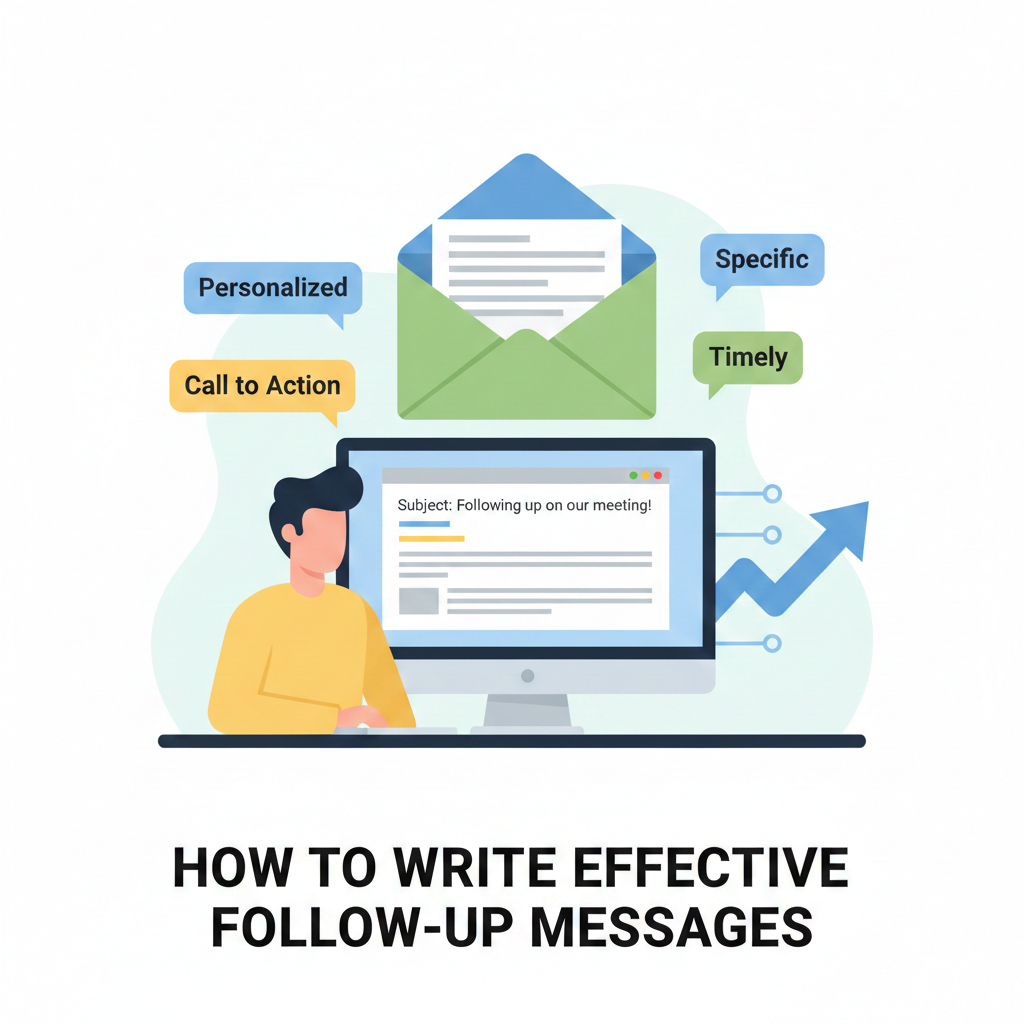
Introduction
Follow-up messages effective often decide whether a conversation continues or ends silently. Many opportunities are lost not because of rejection, but because people fail to follow up well.
In today’s fast-paced professional world, attention is limited. Therefore, knowing how to write effective follow-up messages gives you a clear advantage. It helps you stay visible without sounding pushy.
Whether you are following up after an interview, a proposal, or a networking chat, the approach matters. Let’s break it down in a simple, practical way.
Why follow-up messages matter more than you think
Follow-ups show professionalism and intent. They signal that you value the conversation and respect the other person’s time. As a result, trust builds naturally.
Many people assume silence means rejection. However, most of the time, it simply means delay. Therefore, a well-timed follow-up reopens the conversation.
Effective follow-up messages also reinforce your personal brand. They show clarity, confidence, and communication skills.
Choosing the right timing for your follow-up
Timing can make or break your message. Too early feels impatient, while too late feels careless.
In most professional situations, waiting a few business days works well. This gap shows respect and gives the recipient time to respond.
However, context always matters. After interviews or proposals, slightly longer waits feel appropriate. Still, consistency is key.
Writing subject lines that invite opens
A subject line sets expectations instantly. It should feel clear, relevant, and calm. Avoid anything dramatic or vague.
Good subject lines gently remind the reader of the context. They feel familiar, not demanding.
Examples that work well include:
- “Following up on our discussion”
- “Quick check-in regarding next steps”
- “Touching base on our recent conversation”
Clear subject lines improve open rates and reduce friction.
Opening your follow-up with confidence
Your opening line sets the tone. Therefore, avoid apologies or uncertainty. You are not interrupting; you are continuing a conversation.
Referencing a shared moment creates connection. It reminds the reader who you are and why you’re writing.
Use simple and polite language. Confidence paired with warmth feels professional and human.
Keeping follow-up messages clear and concise
Brevity earns respect. Most professionals skim messages before reading them fully. Therefore, structure matters.
Short paragraphs improve readability. Each sentence should serve one purpose only.
Strong follow-ups usually include:
- A reminder of the context
- A clear reason for writing
- A simple next step
This structure keeps your message focused and effective.
Adding value instead of sounding repetitive
A follow-up should not feel like a nudge alone. Instead, it should offer something useful.
You can share a quick insight, clarify a point, or offer help. This approach turns reminders into meaningful engagement.
Ways to add value include:
- Sharing a relevant resource or idea
- Clarifying how you can help them
- Reframing your proposal briefly
Value-driven messages get replies more often.
Ending with a clear call to action
Never leave your follow-up open-ended. Readers should know exactly how to respond.
A clear call to action reduces thinking effort. As a result, responses come faster.
Examples include asking for next steps, feedback, or availability. Keep it polite and direct.
This clarity separates effective follow-up messages from ignored ones.
Avoiding common follow-up mistakes
Many follow-ups fail because of small errors. Awareness helps you avoid them easily.
Do not sound desperate or emotional. Avoid long explanations or repeated apologies.
Also, never guilt the reader for not replying. Respect always wins in professional communication.
Conclusion: master effective follow-up messages for lasting success
Effective follow-up messages are simple, respectful, and purposeful. They keep conversations alive without pressure. Over time, they strengthen relationships and open doors.
In job searches and professional growth, follow-ups often decide outcomes. Those who follow up well stay remembered and trusted. Therefore, mastering effective follow-up messages is a career skill, not a soft extra.
To turn conversations into real opportunities, pair strong communication with the right platform. Discover roles that value professionalism, clarity, and growth.
Find Your Dream Job Today. Explore endless career opportunities and secure your next role with the best job tool—where effective follow-up messages meet real career success.






Comments
Be the first to leave a comment.