

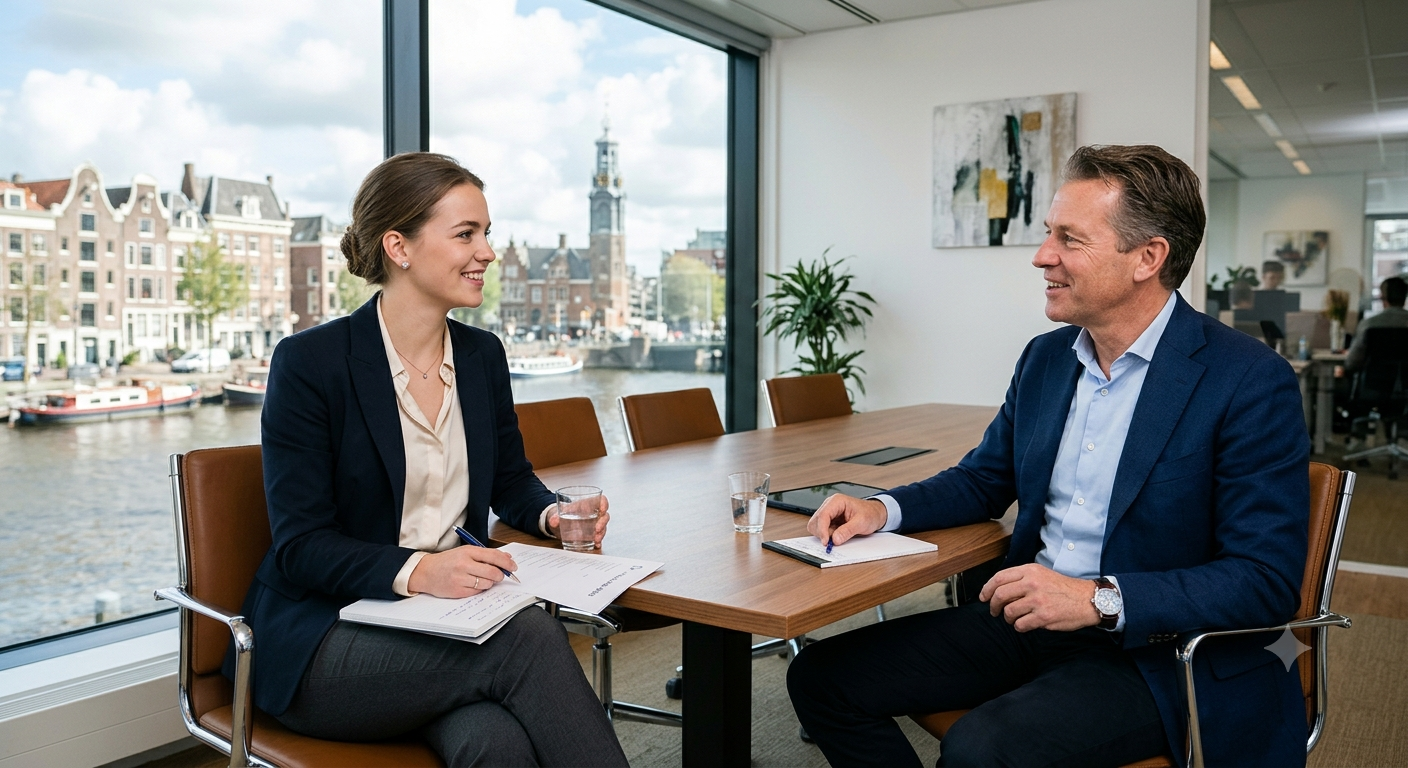
Introduction: Job Interview Dress Code and Etiquette
When preparing to go to a job interview, it’s important to think about your appearance and how you will present yourself. As the Netherlands is a very professional country placing importance on being on time, truthful, confident and clear in communication, understanding the Job Interview Dress Code and Etiquette in the Netherlands will help international candidates build up their confidence to go to their interviews.
Whether you’re looking for a job in Amsterdam, Rotterdam, Utrecht or any other city in the Netherlands, knowing what to wear and how to present yourself will help you make a great impression.
What are the Job Interview Dress Code and Etiquette?
1. Know the Dress Code in the Dutch Workplace
The Netherlands is known for being a relaxed country so many Dutch companies expect their employees to wear smart-casual or business casual clothing. However, this will depend on the company, industry and the role you are applying for.
Some roles such as finance, law and corporate roles will expect you to wear smart business wear whereas others such as tech, creative and start-up roles will expect you to wear more relaxed clothing.
It’s best to research the company by looking through their website, social media and pictures of their employees to get an idea of their company environment. If you aren’t sure then always go for a smart, clean outfit.
2. What to Wear to a Job Interview
To make sure you look professional, you don’t need to wear anything expensive. Just clean and well fitting clothes. Men should wear a smart shirt, trousers and clean shoes. If you are applying for a senior or corporate role adding a blazer will give a more professional look. However, wearing a tie is optional unless the company follows a traditional business dress code.
Women can wear smart trousers, skirts, blouses or dresses. Wearing neutral colours such as navy, black, grey and white will help keep your outfit practical. Always wear comfortable shoes. No matter your gender, make sure your clothes are clean, ironed and suitable for the role. This will show that you value the opportunity.
3. Be Well Groomed
Even if a company is quite relaxed with their dress code, it’s important to still look clean and professional. Your hair should be tidy and your clothes should be well cared for. Keep your accessories simple and avoid wearing too much perfume. If you are wearing makeup then choose a look that makes you feel comfortable and professional.
Also make sure your shoes are clean, your nails are trimmed and your breath is fresh. It’s not about what’s in fashion but showing that you feel confident, clean and professional.
4. Be Punctual
Being on time is greatly valued in the Netherlands. If you are running late and don’t let the interviewer know you’ll create a bad impression, especially if you are applying for a role in a competitive industry. Try to arrive 10-15 minutes early so you have plenty of time to find the office, check in with reception and prepare yourself.
If your interview is online then make sure you have a good internet connection, microphone and camera. Join the interview a few minutes early and make sure you are in a quiet area with a professional background. If something happens and you are running late then let the recruiter know. Keep it brief and polite.
5. Be Clear and Confident
Generally, Dutch companies value people who are honest, open and straightforward. You may be expected to talk about your experience, skills and goals clearly. Listen to the questions and give examples of how your education, previous work experience or professional projects relate to the question. If you don’t understand a question then politely ask them to repeat the question.
Be confident but polite. Keep your eye contact natural. Don’t boast about your achievements. As many international companies in the Netherlands use English, however if you learn some basic Dutch phrases it will show you are interested in their working environment.
6. Know the Interview Etiquette
Knowing what to do during your interview will show you can work professionally with your colleagues and employers. Dutch companies often value equality, openness and respect. Always greet your interviewer politely. A friendly smile and confident introduction will help you feel at ease. Follow what the interviewer does with regards to shaking hands.
Don’t interrupt them and let them finish their questions. Be honest with your strengths, weaknesses, experience and what you are looking for. Dutch employers may ask direct questions about your previous work experience, problem solving skills and achievements. Don’t take this personally and instead stay calm whilst explaining your point of view with examples.
7. Ask Questions
Interviews aren’t just for employers to assess you, they are also a great opportunity to see if the company and role is a good fit for your career. Ask a few thoughtful questions to show you are genuinely interested. This will also help you to know what they expect from you.
You can ask about the duties of the role, team structure, development opportunities and company culture. You can also ask about the working hours, remote working and next steps. Avoid asking about pay, holiday and benefits. Whilst this is important to know, it’s best to firstly understand the role and show your interest in the role.
8. Send a Thank You Email
Continue to be professional and send a short thank you email within 24 hours. Thank them for their time and mention something relevant you spoke about. You can also explain why you are interested in the role and why your skills match what they are looking for.
If they gave a timeframe for when they will make a decision then respect this. If you haven’t heard back within this time then send a polite follow up email. By being professional throughout the recruitment process you will leave a great impression.
Conclusion: Job Interview Dress Code and Etiquette
Understanding the Job Interview Dress Code and Etiquette in the Netherlands will help international candidates feel more confident going into their interviews. From knowing what to wear, keeping your appearance professional, being on time and speaking clearly you will make a great impression.
Dutch employers generally like candidates who are honest, punctual, respectful and confident. By researching the company, preparing answers and keeping your interview professional you will show that you are ready to join the Dutch workforce.
Use the best job search tools to help you find opportunities, research employers, improve your CV and prepare for your interviews. By preparing properly and being professional you’ll be taking a big step in building your career in the Netherlands.
Ready to take the next step in your career in the Netherlands? Use the best job tools to discover new job opportunities, find trusted employers, improve your CV and prepare for upcoming interviews. Explore the right platforms, research companies and make your job search easier. Start preparing today and move closer to securing your dream job in the Netherlands!





Comments
Be the first to leave a comment.