

Introduction
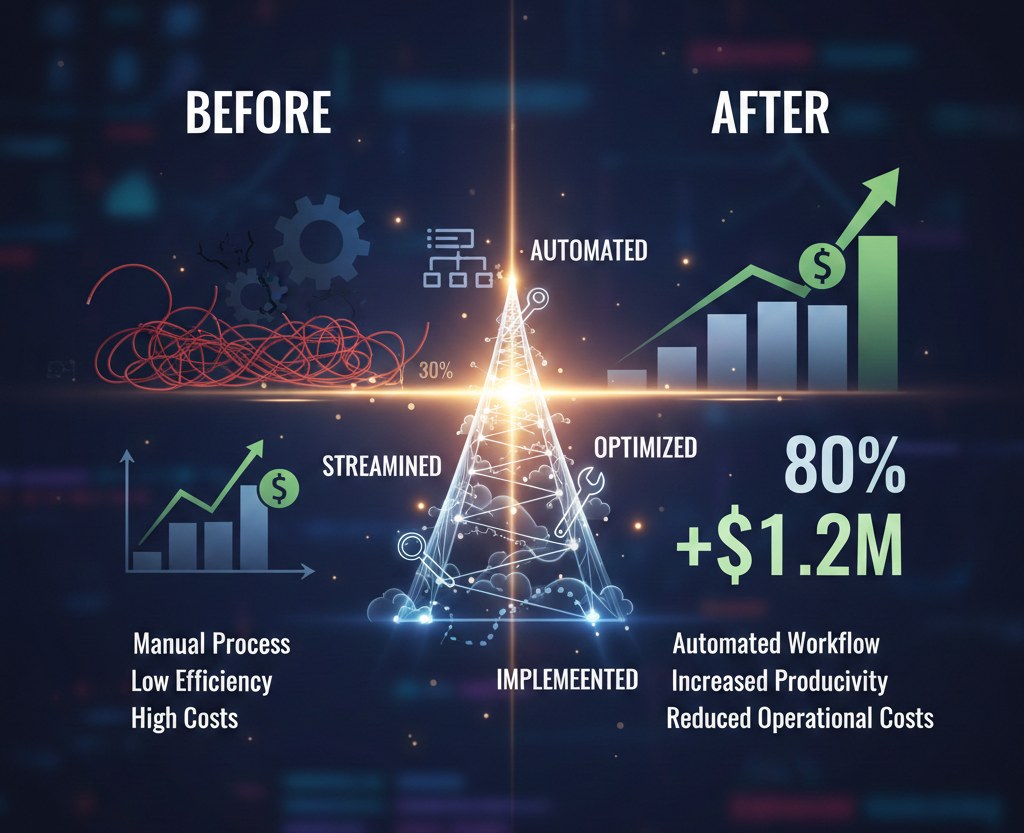
Explaining what you do is easy. Proving the impact of your work is the real challenge. Many professionals talk about their responsibilities, but responsibilities don’t impress employersresults do. That’s why understanding how to showcase quantifiable achievements Showcase Quantifiable Achievements is essential for resumes, profiles, portfolios, and interviews.
When you highlight measurable results, you allow people to see your value instantly. Clear numbers create trust, improve credibility, and make your story memorable. In this guide, we’ll break down how to identify, craft, and present quantifiable achievements in a compelling and natural way.
Why Measurable Results Create Instant Trust
Numbers give people something solid to understand. Instead of guessing whether you did well, they can see it clearly. Measurable achievements show how much, how fast, how often, or how well you contributed. This gives your experience weight and credibility.
When someone reviews your profile, they want proof, not promises. Quantifiable achievements deliver that proof in an easy-to-read format. This is why learning how to showcase quantifiable achievements can completely change how others view your professional value.
Finding the Moments That Can Be Measured
Most people have more measurable results than they realize. You just need to recognize them. Even tasks that seem simple often create change, and change can be measured. Think about improvements, efficiencies, or outcomes created by your work.
In many roles, measurable results appear in areas like productivity, accuracy, customer experience, or workflow efficiency. By exploring these areas, you’ll quickly uncover metrics you didn’t notice before. This is a key part of understanding how to showcase quantifiable achievements effectively.
Turning Simple Responsibilities Into Strong Achievements
Many achievements begin as daily tasks. The shift happens when you connect your tasks to the impact they created. Instead of saying what you were responsible for, highlight what changed because of your actions.
For example, a routine duty can become an achievement when you describe its result. A simple improvement in speed, quality, or satisfaction becomes more meaningful when you express it clearly. This storytelling approach makes your accomplishments feel authentic and persuasive.
Using Bullet Points to Highlight Your Strongest Wins
This subheading is one of the two places where bullet points are allowed.
Bullet points are powerful when you want your most impressive, measurable Showcase Quantifiable Achievements accomplishments to stand out. They help readers scan quickly and focus on what matters most.
- Increased client satisfaction ratings through consistent process improvements
- Reduced workflow delays by enhancing communication between team members
- Supported project goals that led to measurable performance improvements
These short statements give readers instant insight into your impact.
Adding Metrics Into Short, Clear Sentences
Bullet points work well, but you don’t need them everywhere. Many achievements fit perfectly into simple sentences. These sentences should be short, direct, and easy to understand. They should also focus on results, not tasks.
For example:
“I redesigned the team’s file system, which improved document retrieval time and reduced daily delays.”
A sentence like this blends context with outcome. It feels natural and still communicates value. This approach is helpful when you want to show how to showcase quantifiable achievements without overwhelming the reader.
Sharing Results Through Stories and Examples
Numbers are powerful, but numbers combined with context create even more impact. Short stories allow you to explain the challenge, your action, and the measurable result in a natural flow. This works especially well in interviews, portfolios, or personal websites.
A brief narrative helps people understand not just what you achieved but also how you think and solve problems. It brings your results to life and shows your professional personality. This is a strong way to showcase quantifiable achievements without relying only on lists or metrics.
Using Another Brief Bullet Section for Impactful Highlights
This is the second and final subheading where bullet points are allowed.
Sometimes, you need another quick section of bullets to emphasize specific results, especially in summaries or “key achievements” areas.
- Improved internal communication, leading to smoother project coordination
- Contributed to streamlined processes that supported team efficiency
- Enhanced customer interactions that helped strengthen long-term relationships
These condensed highlights make important results hard to miss.
Presenting Your Achievements Across Different Platforms
Once you know how to showcase quantifiable achievements, you Showcase Quantifiable Achievements need to apply them across all your professional spaces. Your resume, LinkedIn profile, and personal site should reflect the same level of clarity.
A resume benefits from short, metric-based statements. LinkedIn allows a mix of storytelling and results. Portfolios can show before-and-after comparisons. Interviews give you the chance to explain examples in depth. When your achievements stay consistent across platforms, you build a strong, trustworthy personal brand.
Conclusion
Mastering How to Showcase Quantifiable Achievements Elevates Your Professional Story. Learning how to showcase quantifiable achievements is one of the strongest ways to stand out. When you communicate your value through Showcase Quantifiable Achievements measurable results, you become more memorable and more convincing. Your achievements look clearer, your skills feel stronger, and your professional story becomes more compelling.
If you want an easier way to document your wins and create measurable accomplishments you can share confidently, start using the best job tool available today. It helps you organize results, track progress, and present your achievements with clarity and impact.






Comments
Be the first to leave a comment.